Presents to Myself

4-8-2013 034

Here’s HerbDoc with some garden tool chat:

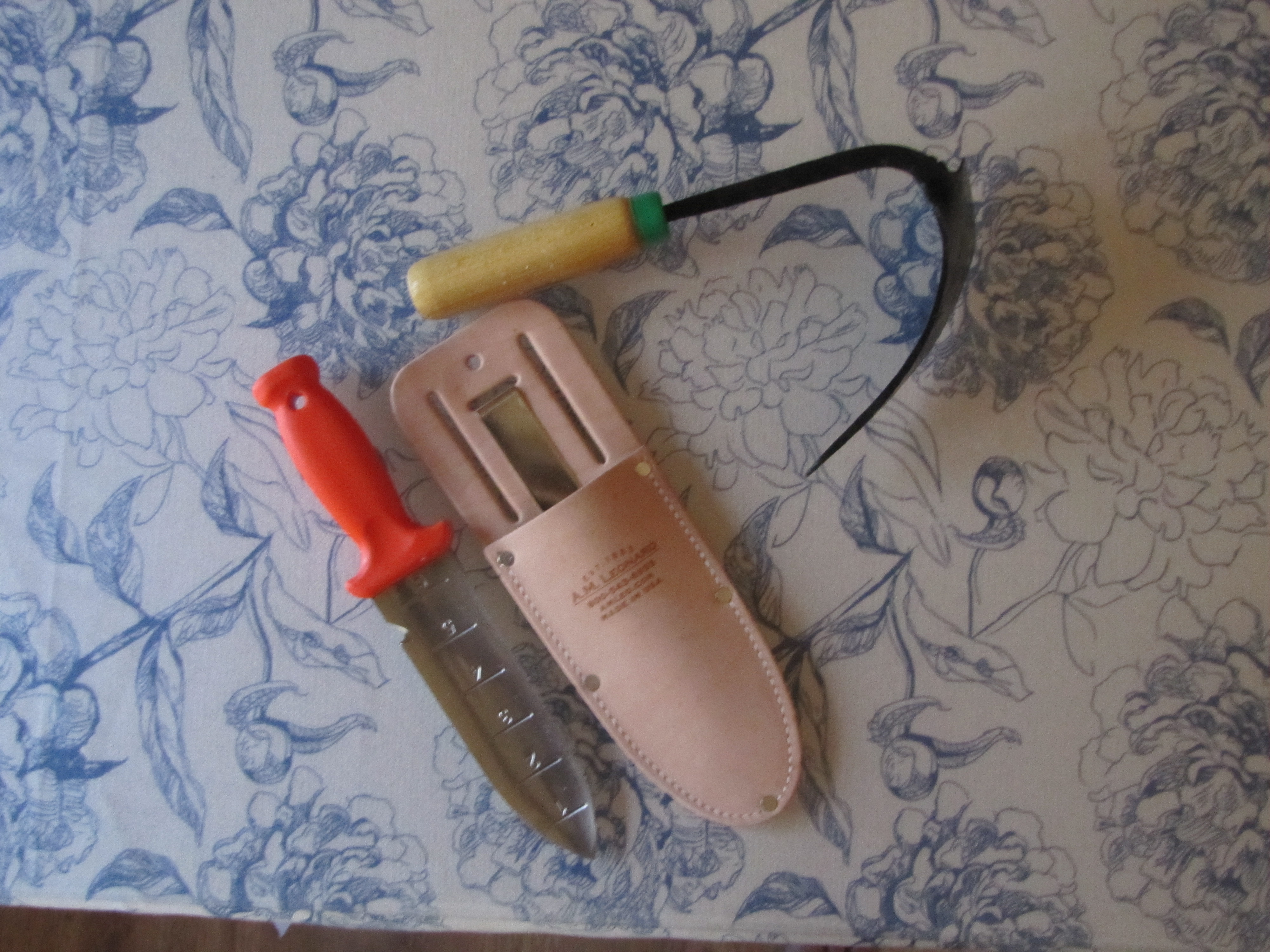
Before I run outside to the garden and get them all dirty, here are two of the several tools that I couldn’t resist ordering after a late winter presentation on hand tools.

The first is a Hori-Hori which is also referred to as a soil knife or a weeding knife. The word “hori” means to dig in Japanese.  It’s a heavy, serrated multi-purpose steel knife which is sharp on both sides and has a pointed end.

The knife was originally used for carefully removing Sansui, or foraged vegetables, from the mountains in Japan.  Modern gardeners use it for cutting roots, transplanting, removing plants and splitting perennials.  Its first chore in my garden will be the long overdue process of dividing and transplanting the daylilies!

I love the fact that it has an orange handle to alert me to its whereabouts and a leather holster to store it away.

The second one is a Ho-Mi, a Korean hand plow that has been used for over 5000 years in digging, cultivating and furrowing the earth.  It has a triangular head with a sharp point and a curved arm around to the handle.  The curve adds leverage to pull weeds, to scoop up plants for transplanting or to make holes for transplants.

This one is supposed to be great for folks with bad wrists and can be used instead of a trowel.  Maybe I’ll paint the handle on this one orange too so I don’t lose it in the garden!

Posted in Uncategorized | 2 Comments

Ban the bags

DSCN0327This is such a common sight, it’s almost a part of our modern landscape. This wayward bag is in our neighbor’s crabapple tree. We are so close to the water that it could easily blow into the salt pond and end up being consumed by an unsuspecting fish or turtle. I even see them incorporated into osprey nests.

Once again, the issue of plastic grocery bags has surfaced in the Rhode Island legislature, and people are debating the merits of banning them. I don’t understand what the big deal is. They’re not necessary and they hurt the environment. Other countries, and my former home province of Quebec have banned them.

I’ve been bringing reusable bags to the store for years. I keep a bunch in my car. My husband never remembers to bring his … or maybe he doesn’t want to be seen carrying pretty little reusables.

Considering these bags take a thousand years to decompose in a landfill, I think we need to stop using them, and the sooner the better. Here is an interesting website dedicated to their eradication.

Do you use plastic grocery bags? Do you think it’s an important environmental issue, or do you wish I would just shut up already? I think, regardless of how we feel now, their days are definitely numbered.

Posted in Uncategorized | 15 Comments

Morning

DSCN0299

The phalaenopsis in the above photo is one of my favorites. I don’t know its name, but it was given to me by a Master Gardener friend named Earl, so that what I call it.

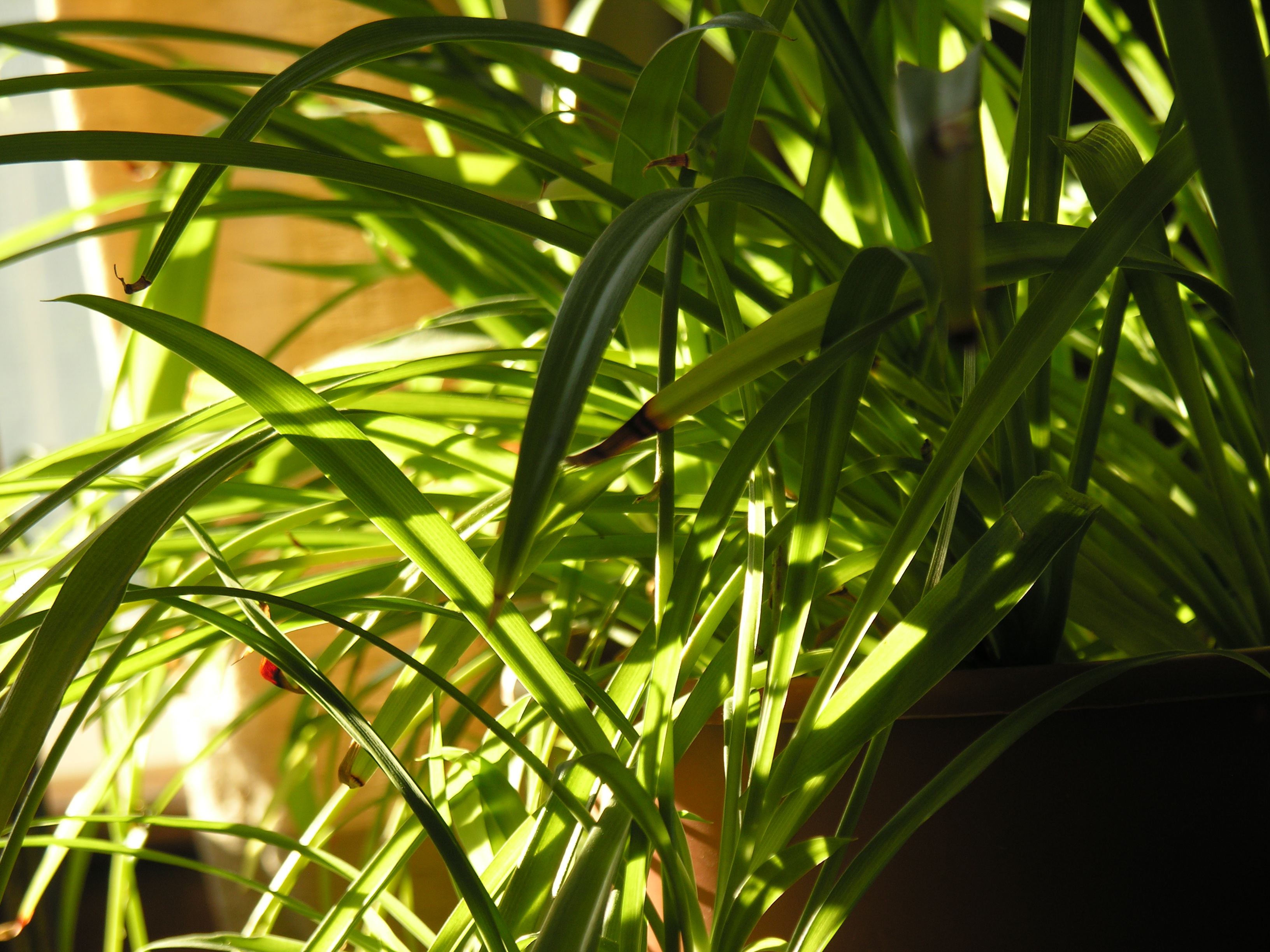
Before I dash out the door for work in the morning, I glance around at my houseplants. They are especially lovely in the morning sun. Here are a few pictures I snapped before leaving them for the day. Below is a humble spider plant (a rescue) transformed by the sun. It’s really all about the light, isn’t it?

DSCN0303

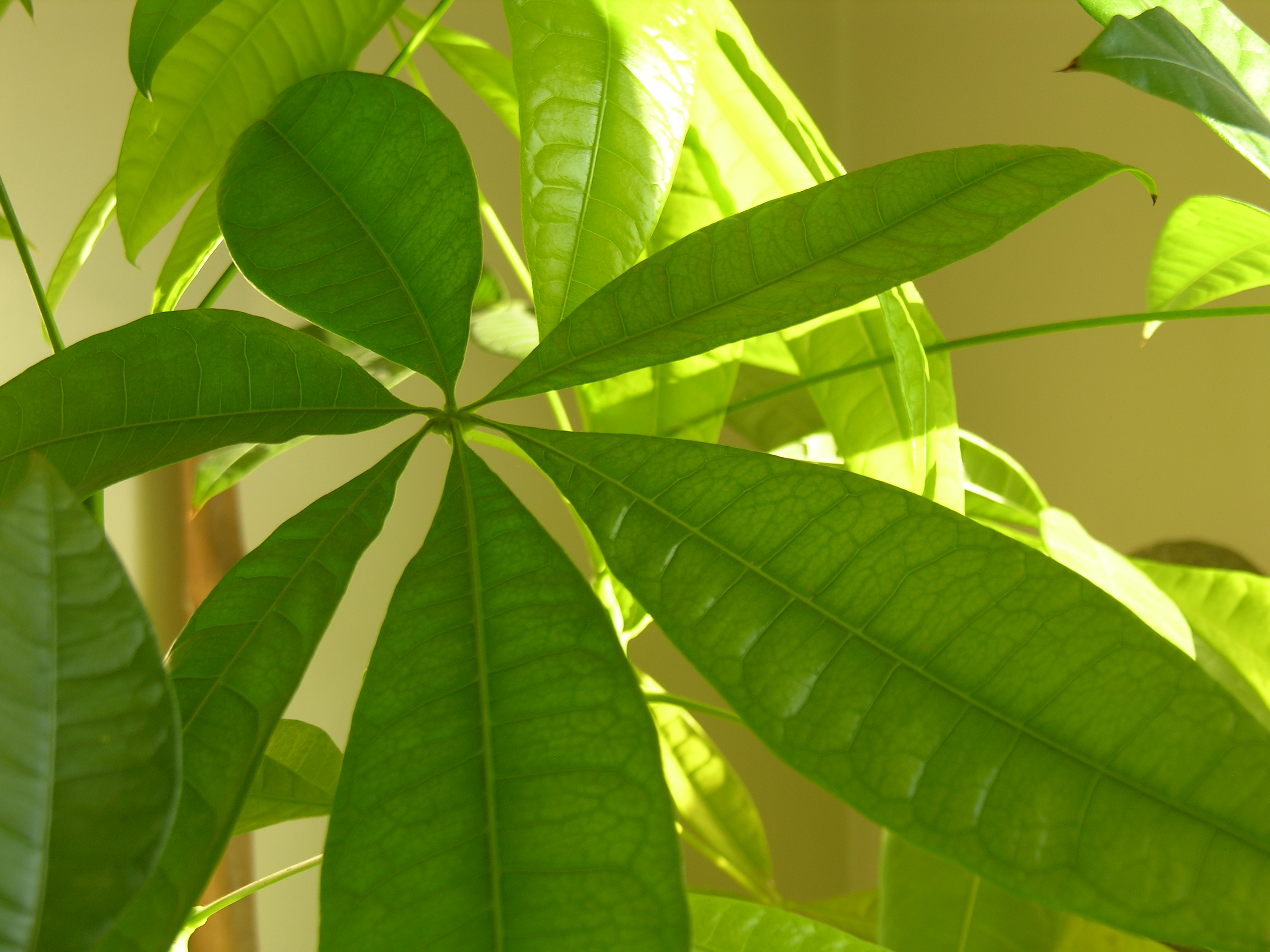
And here is Epipremnum aureum, commonly known as “money plant.” A friend gave it to us when we moved here several years ago. It’s happy in its east-facing kitchen window.

DSCN0307

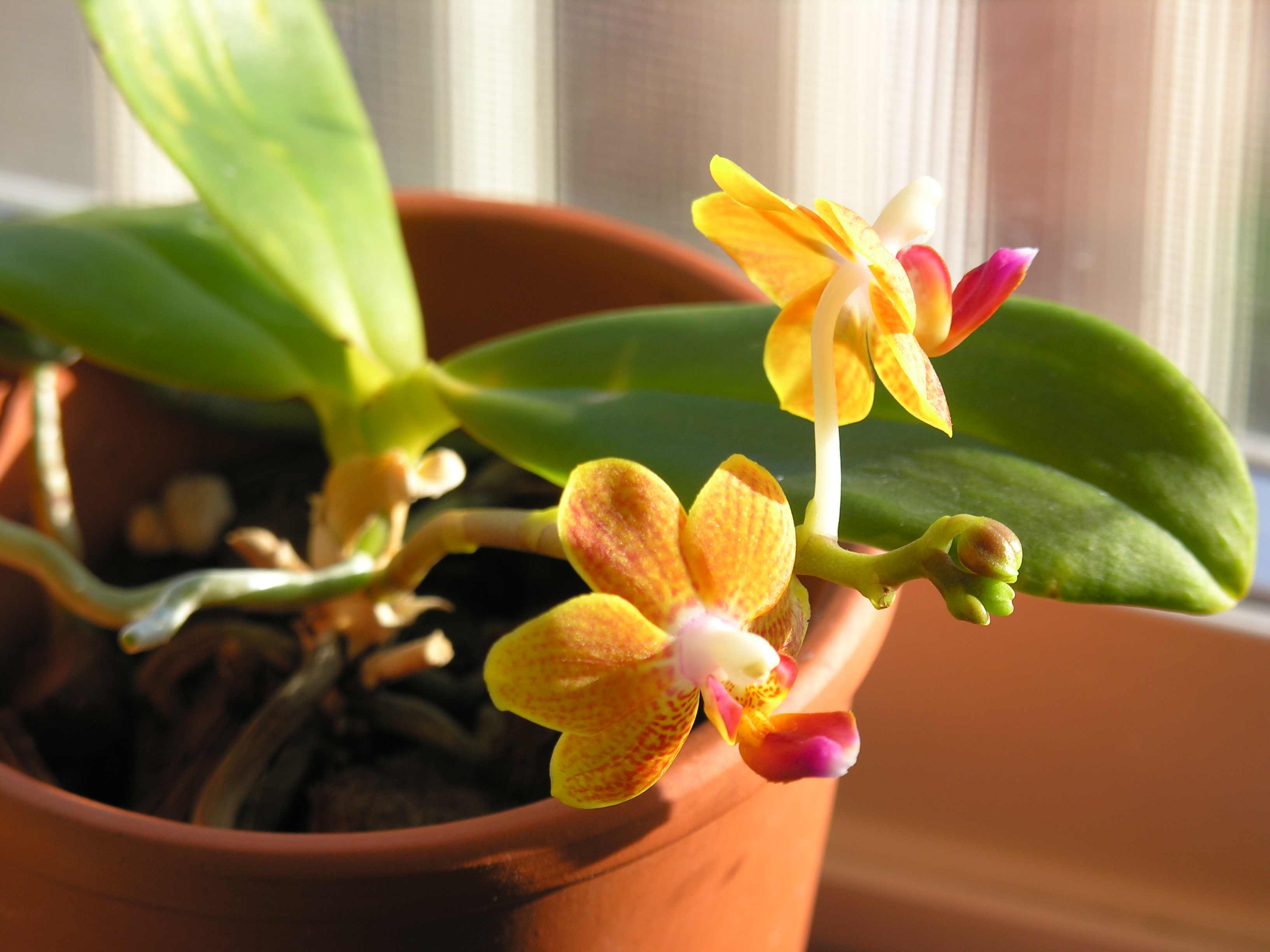
Mini phal “Timothy Christopher” is sparkly this morning.

DSCN0314

And finally, another fetching mini phal whose name escapes me. I bought this one for $4.99 at Trader Joe’s. So tropical-looking. If I could pollinate it, I would.

DSCN0309

Thanks to all the readers and friends who sent their condolences after the death of my beloved “Geneva.”  I miss her terribly, especially in the morning.

Posted in Uncategorized | 2 Comments

Geneva: 1996 – 2013

IMG_0006

Please forgive me if I have been remiss in posting this week. My beloved companion, Geneva, died a few days ago, just days before her 17th birthday.

I am dedicating this post to the Best Dog Ever, my irreplaceable canine soul mate.

I will post again soon, I promise. I just need a few days. Thanks for understanding.

Posted in Uncategorized | 18 Comments

This is crazy…in a good way

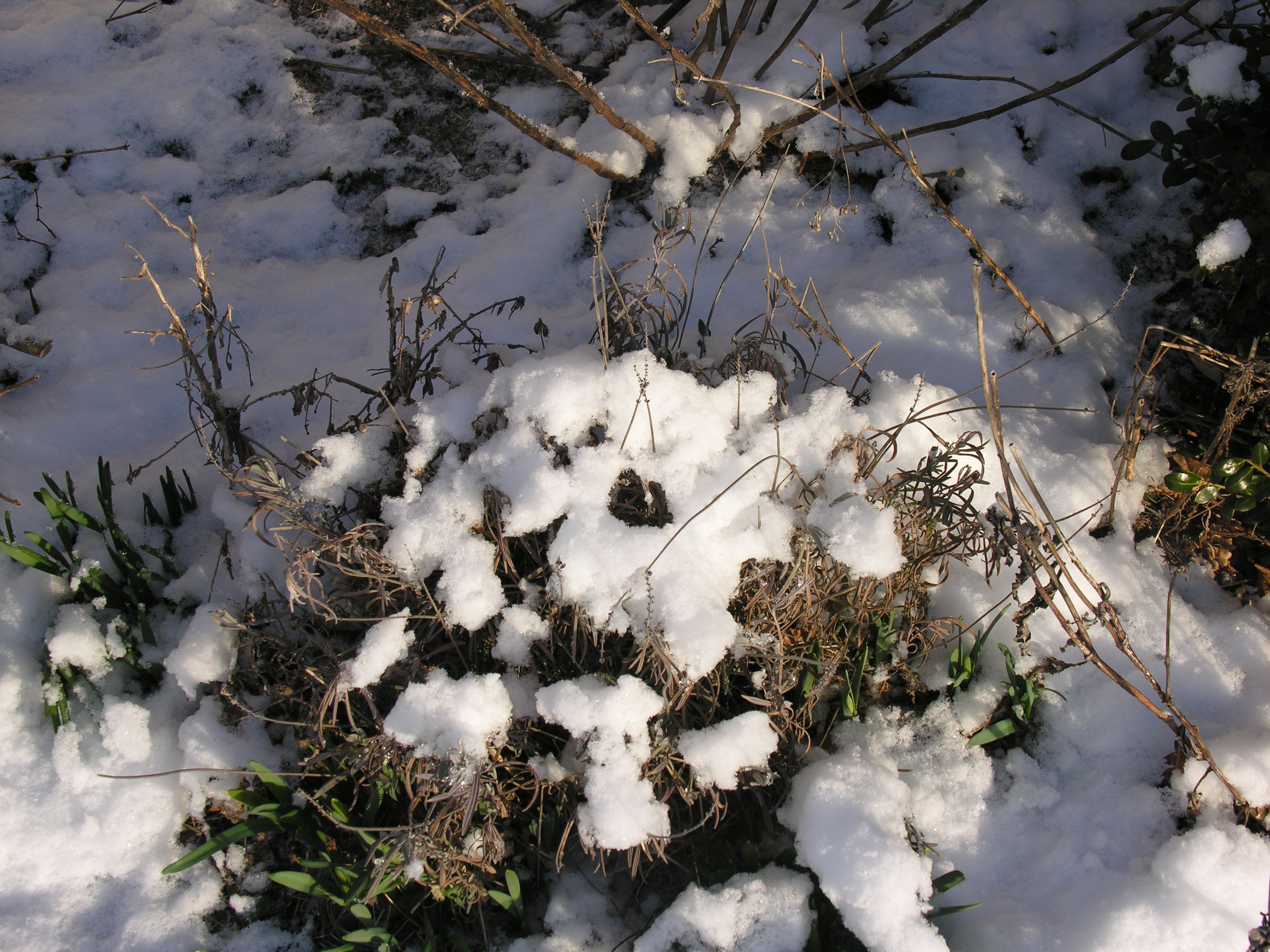
Last winter we had almost no snow; just a few inches, if that. This year we experienced our first real winter in years. Our last snowfall was a couple of days ago – about three inches – in late March!

DSCN0268

Being the outlier that I am, I enjoy the bracing air. I also welcome the snow for its soil-protecting properties. I’ll take cold over hot any day. You can always bundle up, but you can only take off so many clothes…….

I planted this Lavender “Hidcote” last summer. I’m not sure if it made it through the winter. Hard to tell with that silver foliage.

DSCN0267

The rhododendron is in bud now, and won’t mind a light dusting, I’m sure.

DSCN0269

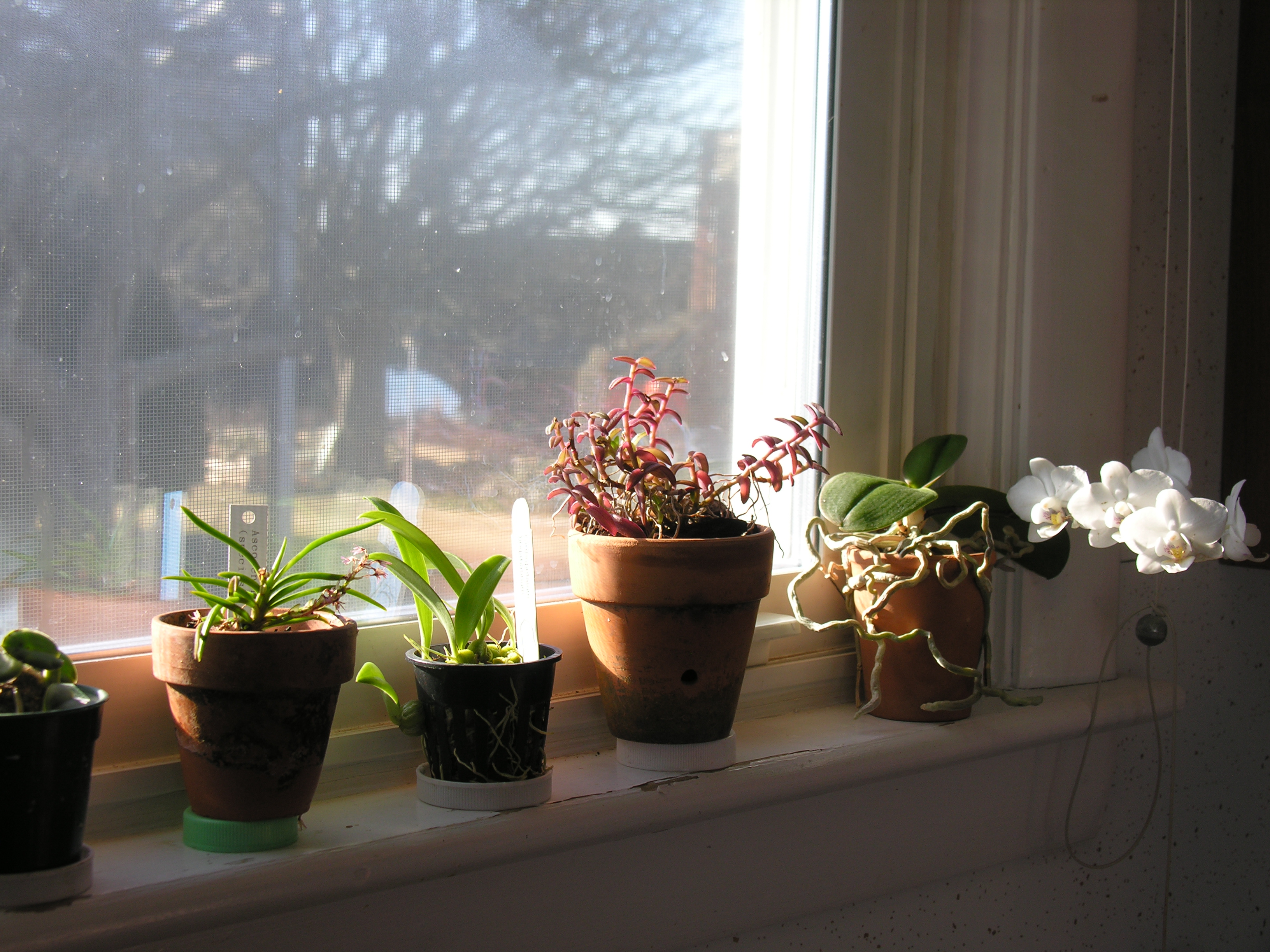
Perched on their southeast-facing windowsill above the kitchen sink, my mini orchids are enjoying the stronger sunlight. From left to right: sophronitis cernua, ascocentrum pumilum, bulbophylum tingibarinum, epidendrum porpax, and mini phalaenopsis “Timothy Christopher.” A cheery little group in every season.

DSCN0270

Posted in Uncategorized | 4 Comments

Another winner for Tovah

DSCN0259

As an an unabashed admirer of garden writer Tovah Martin, I am happy to see her star deservedly on the rise. Her work seems to be popping up everywhere, including Martha Stewart Living, Country Gardens, Coastal Home and Yankee magazine.

These days, we’re hearing a lot about her latest book, “The Unexpected Houseplant.” This follows her last effort, “The New Terrarium,” which I also enjoyed. A gardening friend bought me a copy of the houseplant book at the Philadelphia Flower Show and surprised me with it a couple of weeks ago. I couldn’t have been more delighted.

Martin has great taste. She really knows her plants and takes a creative and sophisticated approach to potting and placing them. She  emphasizes the importance of plant containers and even the saucers that go under them. (I will admit that sometimes in desperation I will resort to a plastic lid if I don’t have something more decorative. Please don’t tell her.)

The book is divided into the four seasons, and begins with Autumn. I love Autumn and its relaxed, cozy feeling. Autumn is actually the perfect season with which to start the book, because it’s also the beginning of the months that you and your plants will spend living most closely together.

“…there’s a quiet comfort that comes in Autumn,” she writes. “That’s why I’m starting this book in fall, because it really is the beginning of the indoor gardening season. Autumn is all about gathering. It’s the time when all my green buddies are herded indoors. All are safe. All are warm. But even more to the point, all are close.”

Martin provides ample practical advice on the indoor culture of an extensive variety of plants, from carnivorous sarracenia purpurea to oxalis to conifers. Yes, she brings some conifers indoors and they seem to like it there.

It takes me about an hour each week to water all my orchids and other plants, and I don’t have even a fraction of Martin’s collection, which she says numbers in the “hundreds.” I can’t imagine how much time all the watering must take, and how she manages when she is on speaking and book tours.

Kindra Clineff, the talented photographer who shot the images for Martin’s terrarium book is once again featured in “Houseplant.” The staging of each photograph is just gorgeous, and makes for some relaxing gazing before bed.

I have found that many gardeners have a tendency to look down on houseplant culture as being somehow beneath them. I have lived with indoor plants since I acquired my first supermarket “rescue” when I was about 10, and they always added so much to my quality of life.

Martin admits that she is actively seeking houseplant converts, and her message is persuasive.

“I’m hoping you’ll buy into this.  I’m doing my best to demonstrate how plants can change your life. It’s radical. It’s the difference between holding nature at arm’s length and embracing it into the heart of your home,” she writes.

“The Unexpected Houseplant” is published by Timber Press.
Posted in Uncategorized | 6 Comments

Please Don’t Rototill!

Photo: Albert Cahalan, Wikimedia

Photo: Albert Cahalan, Wikimedia

Here’s Herbdoc with some timely advice:

What? Don’t rototill? Believe it or not, the newer recommendations tell us not to do it.

Most folks don’t want to retire their beloved tillers that turn the soil into what looks like a wonderful, well-weeded, smooth garden bed. Unfortunately we need to realize that while we’re grinding away at the soil, we are indeed changing the soil’s texture.

All soil is made up of particles of sand, silt and clay. When mixed together, there are many pore spaces in the sand that allow water to pass through and gases to be exchanged. The clay particles have tinier pore spaces that allow some water to collect for plant root use. This allows the roots to grow and access the nutrients in the soil.

When we rototill, the aggregate of the three particles are beaten to a fine dust. When it rains, the gardener ends up with a hard crusty surface that negatively impacts the soil microorganisms. Not only that but every weed seed in the bed comes to the surface and sprouts! Yikes!

I’ll admit that I still use my little rototiller in new spaces to till additional organic matter into the soil. This is a once a year proposition though and is done quite shallowly. My vegetable garden, like my herb garden, has been turned over to all raised beds. Weeding has become a thing of the past in these areas, and some scratching with a hand cultivator is all that is needed. Are the perennials next? Hmmm…

Posted in Uncategorized | 9 Comments

Soil Testing 101

HandsSoilPlant

Photo: USDA

Herbdoc’s older post on soil testing has proven to be one of this blog’s most popular, so I asked her to write a follow-up, just in time for prepping our gardens for planting.

Even though it’s snowing out as I pen this, spring is on the way! Honest! The clocks will be turned ahead on March 10, and next week’s temperatures are predicted to be in the 50’s.

If you didn’t have the opportunity to test and amend the soil in the fall, now is the time to do so. “Why bother?” you may ask. Many times we blame all manner of things for plant failures when in fact the main problem is the soil you’re planting in.

Soil fertility and acidity are two very important factors in plant growth and vitality. Nutrients in garden soil become available to plants at certain acidity levels. If the soil is too acid (1 to 5 on the meter) or too alkaline (8 to 14), the nutrients will either not dissolve or dissolve too slowly to be available to the plants.

Most plants like a pH of 6.0 – 7.0 where most nutrients become available.

This is why we soil test. We will be able to forecast if you need to make changes or not. In Rhode Island most soils are acidic so unless your crops are composed of blueberries or potatoes, lime will be added. Again, by knowing the pH and what is to be grown, an exact number of pounds of limestone per number of square feet can be calculated. We’re not just running out and broadcasting 40 pounds of lime willy-nilly.

I actually prefer to soil test and add my lime etc. in the fall. Since it takes about 6 months for lime to change pH, this gives the winter a chance to work on it.

Ready to test? Dig down about 4-6 inches in the veggie garden and take samples from several places. Mix together and lay out on a newspaper to thoroughly dry overnight. Don’t try to dry wet soil in the microwave or with a blow dryer! Once dry, remove any rocks or debris and seal one cup in a zip lock bag.

If you are in Rhode Island, head over to 3 Alumni Avenue at URI in Kingston between 9:30 a.m. –1:30 p.m. Monday through Thursday. A Master Gardener will test your soil for free and give pH and soil texture information.

If you want a full test that will delineate all of the micro and macronutrients plus any lead contaminants, UMass is highly recommended. Soil samples taken in the same manner as noted above are tested for $10 each, and a full report is forthcoming in about a week.

Posted in Uncategorized | 2 Comments

Adaptation

DSCN0238

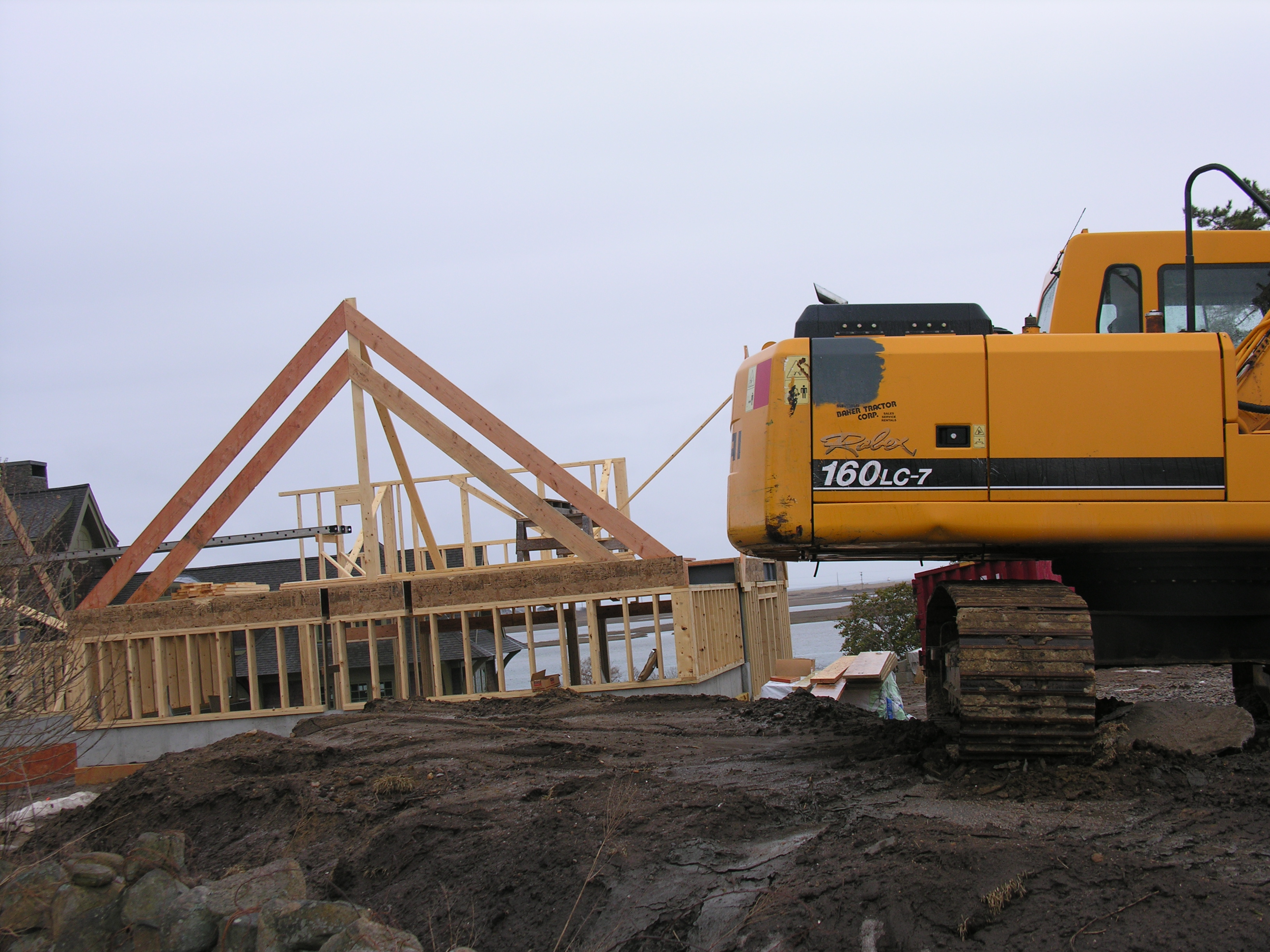
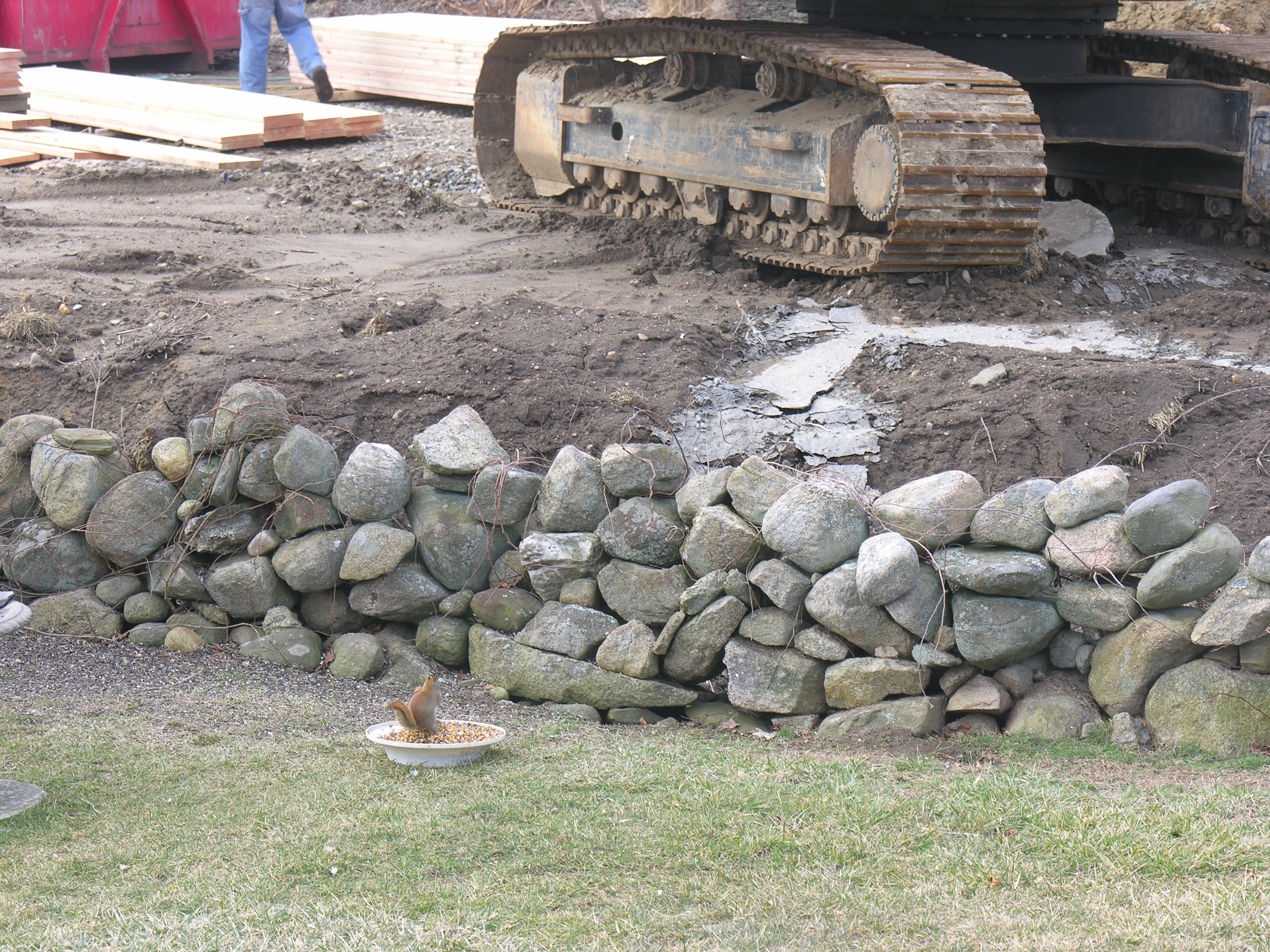
The work on the monstrous garage behind us continues, and the giant earth mover still sits on the mud that was once a wildflower meadow. This experience has upset my equilibrium more than I ever thought possible, and I will never adapt to this change. Never.

DSCN0256

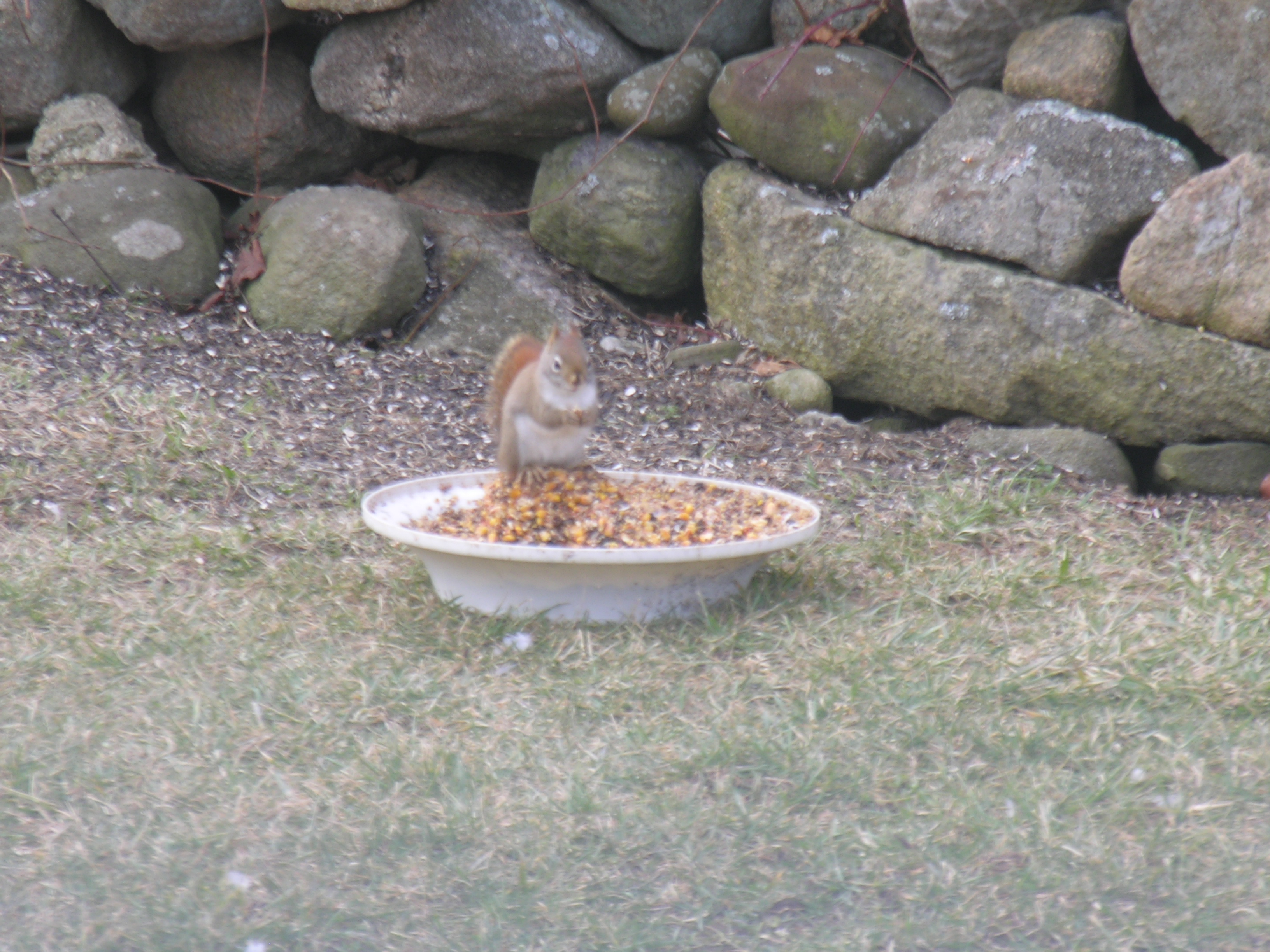
Animals have no time to indulge in such drama. We’ve had a red squirrel hanging out in our yard for a couple of winters, which is unusual in this neighborhood. It appears as if this little creature has turned the situation to its advantage, and made a home in the earth mover.

DSCN0242

After stuffing its mouth with seeds, it scampers up the immense treads and disappears into the cab, adding to what must be a sizable cache. I wonder if it sleeps in there too.

DSCN0244

Sometimes, it pops out the back to gaze defiantly down on the construction chaos.

DSCN0240

I have to admire how this tiny animal shrugged off the noise and disruption and even found itself a new shelter – in other words, adapting.

Posted in Uncategorized | 6 Comments

It’s That Time of Year Again!

hey, auntie beak, resident garden geek here again, with a nifty and easy-to-use tool that will help you determine when to plant your seeds, whether you’re starting indoors or directly in the garden.

onion seedlings

onion seedlings

visit this link on google docs: https://docs.google.com/spreadsheet/ccc?key=0ArteSOU626mxdEFxOXU0VXN1VzJkVXVaaWl2UTEtYmc&usp=sharing

this will bring you to the spreadsheet. then, if you click the “file” menu (in google docs, not in your web browser), and select “download as…,” you can copy the file to your computer, where you can open it up and use it. find your first frost-free date for your location, enter it in the upper right box (the blue type), and voila! all your planting dates for your location for about every variety of vegetable you wish.

enjoy!

Posted in Uncategorized | Leave a comment