In the Alpine

I have just spent a few days in the White Mountains of New Hampshire. A friend and I backpacked to two Appalachian Mountain Club huts: Lakes of the Clouds and Mizpah. In the photo above, you can see the Lakes of the Clouds hut far down the mountain. You have to descend the highest part of Mt. Washington to get there.

They feed you and you get a bunk for the night, (with a bunch of strangers) but there’s no electricity in the rooms or any hot water, so you’re kind of roughing it. What’s cool about the experience, though, is that you can only get there by hiking up, and it’s tough, believe me.

This is what the paths are like. Rocks – many of them loose and wobbly. I was glad to have my trekking poles.

We lucked out with the weather. It was perfect the entire time. It got a bit cool at night, down into the 40s, but we were above 5,000 feet so I expected it.

Here is my intrepid hiking partner making her way down the slope. We are very insignificant indeed when we are on big mountains. I like that.

Now you can see the hut more clearly – and one of the lakes after which it is named.
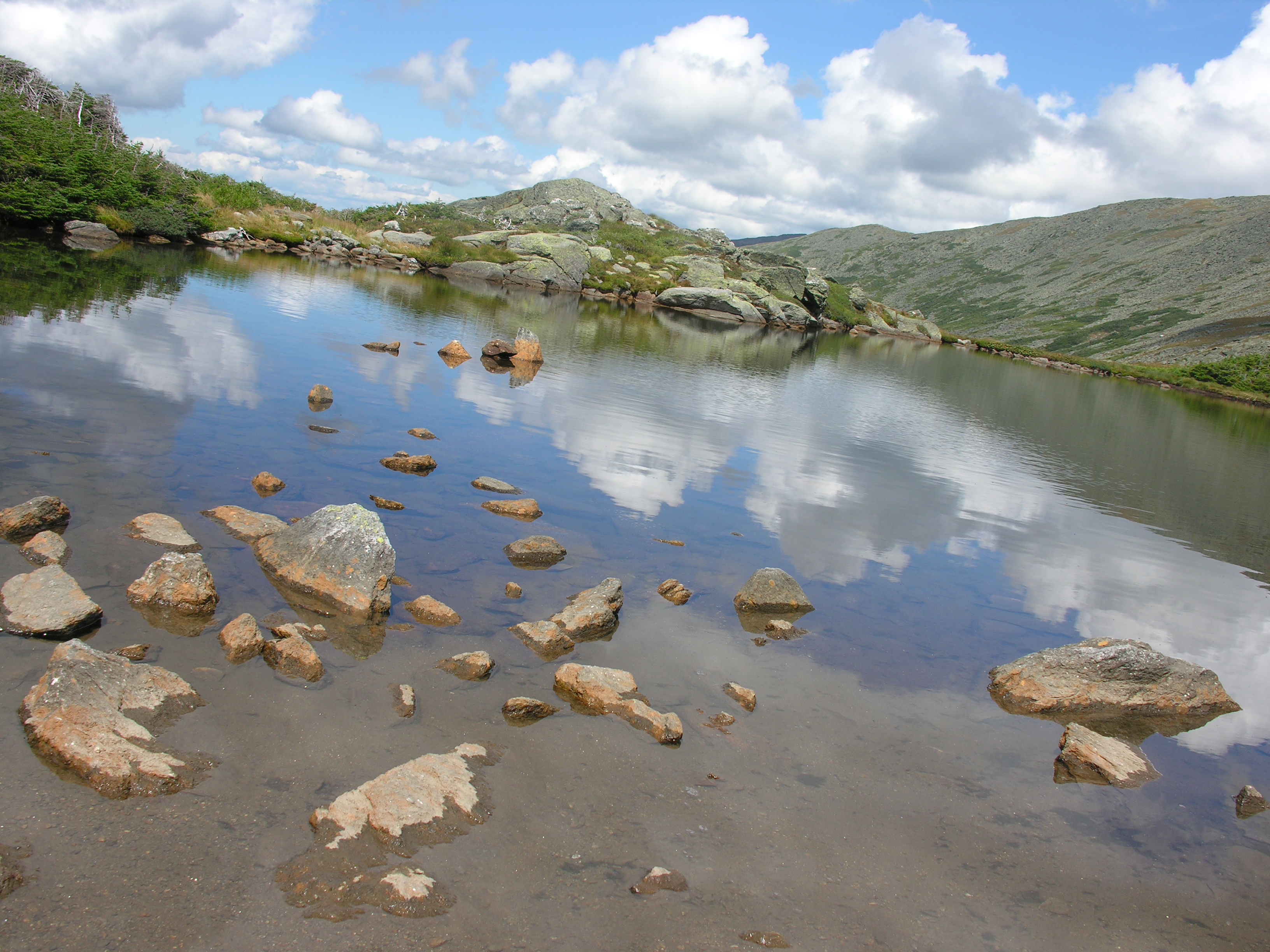
Here’s a closer shot of the lake as we arrived at the hut.
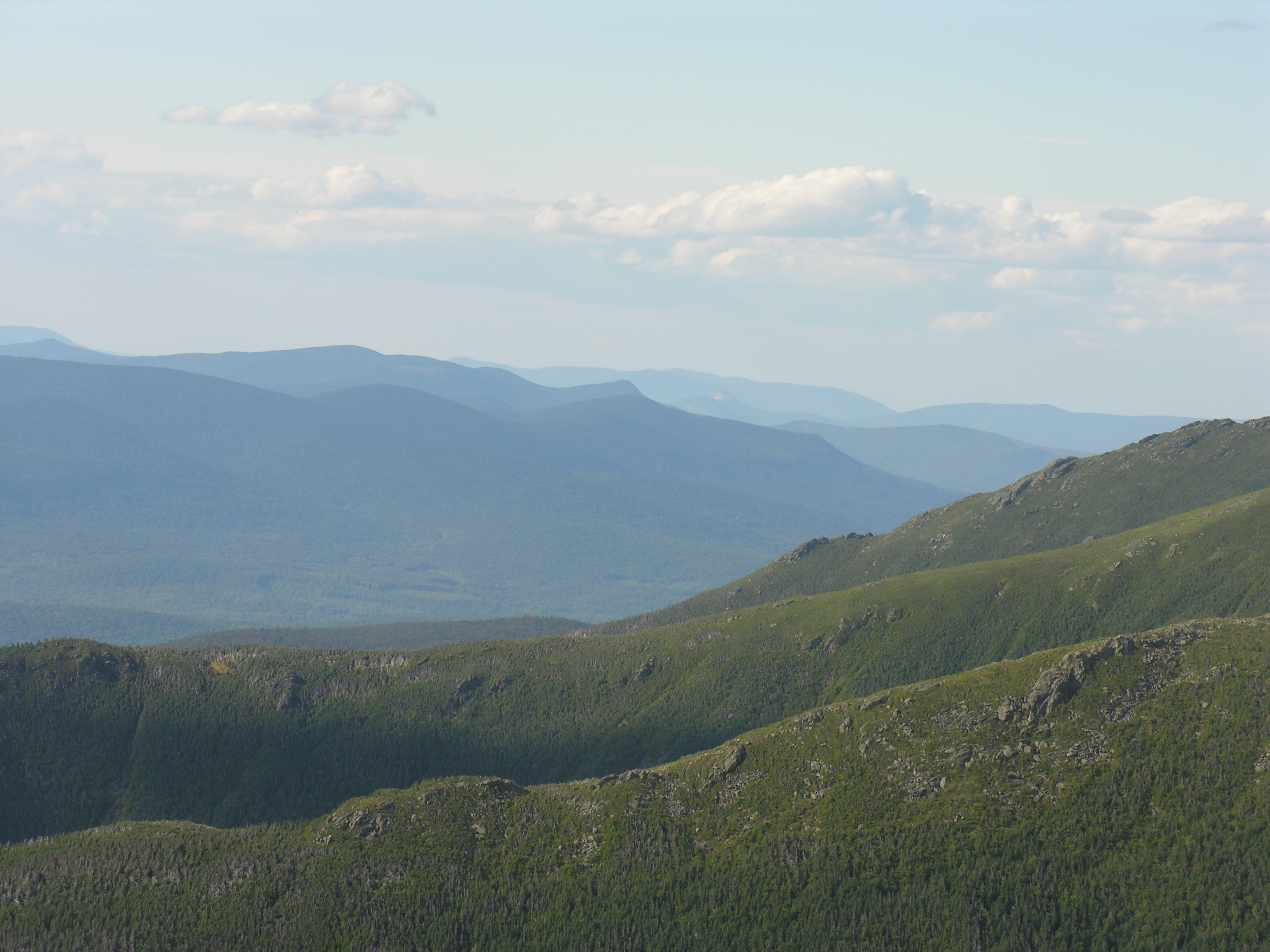
Cocktail hour a bit closer to the top of the world.

In my next posts: onward to Mizpah, and the extraordinary plants of the alpine zone.
Posted in Uncategorized | 6 Comments

A Cornucopia of Herbs


Herbdoc has a great idea for a cool-looking herb garden:

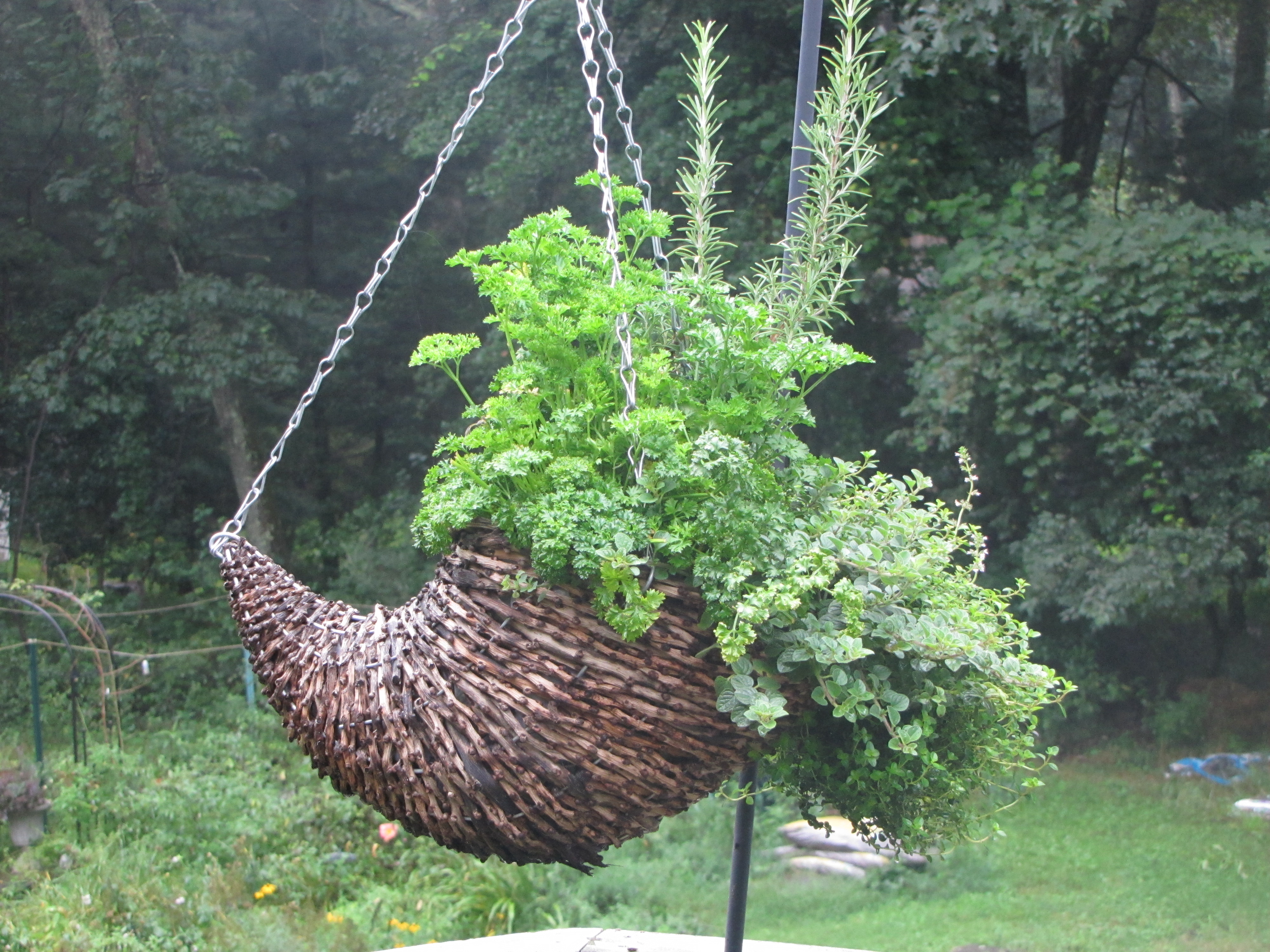
This woven cornucopia has been my favorite hanging basket this year. It draws attention and sparks conversation because of its unusual shape, and since it hangs just outside the kitchen door on the second floor decks always presents itself for quick snipping.

The overflowing cornucopia is filled with thyme, oregano, parsley and rosemary and is lined with plastic to retain the soil. If you decide to make one, pack it full of herbs and/or flowers from the start, and water it daily. Don’t hesitate to clip the herbs to your heart’s content! If not kept in check, they will grow far over the sides and may exit the basket altogether! Every six weeks or so give it a dose of fish emulsion to keep it healthy and happy in its soilless mix.

Right now I’m trying to decide if I will try to overwinter the basket on a kitchen window hanger or just try to replant it next year. Any opinions, readers?

Posted in Uncategorized | 10 Comments

Butterfly Pavilion


HerbDoc recently bought more butterfly-friendly plants:

A few weeks ago a group of Master Gardeners took a road trip to a favorite nearby garden center which offers monthly lectures on topic of interest. This one featured a talk and demonstration on attracting moths and butterflies.

The lecture included tips on planting annuals and perennials which 1) attract butterflies and moths seeking pollen and 2) feed hungry caterpillars. It made me realize that I have many butterfly pollen plants in the yard but needed to get busy planting food sources for them to lay their eggs and feed the resultant caterpillars.

Unable to resist the gorgeous plants available in the garden area, I purchased some annual asclepias (common names given were balloon flower and hairy balls), a deep red honeysuckle, a few “Little Joe” Joe Pye Weed, and a pink coreopsis “Heaven’s Gate”. As an aside, I already grow “Little Joe” in the garden, and I love this plant for its sturdiness and ability to spread.

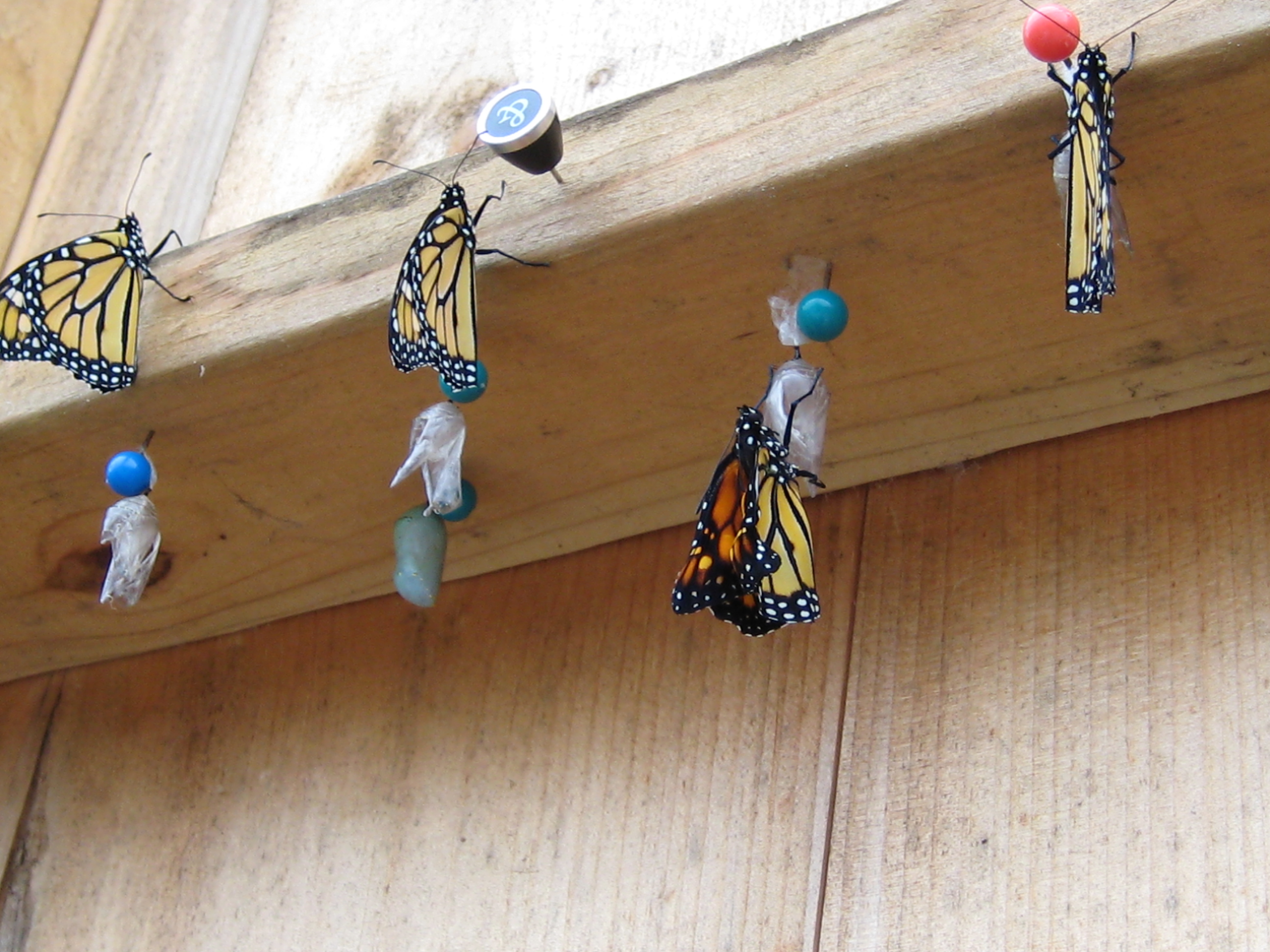
We then walked to a greenhouse called the Butterfly Pavilion. Guided tours are offered here for children and adults on a daily basis during the season. The pavilion is packed with all of the plants that butterflies and moths love. It was a riot of color with all stages of butterfly development present. One monarch has just broken through its pups and was drying its wings on the walls of the greenhouse. Gardeners hunted for the various stages of growth and were rewarded by locating all of them.

It was a very informative day and I highly recommend it for parents and grandparents looking for something to do in the waning days of summer. A great illustrated book for those looking to welcome more wildlife into their yards and gardens is Bringing Nature Home by Douglas W. Tallamy.

Editor’s note: I grow “Little Joe” too and the butterflies and I love it.

Posted in Uncategorized | 6 Comments

Late Blight on Tomatoes

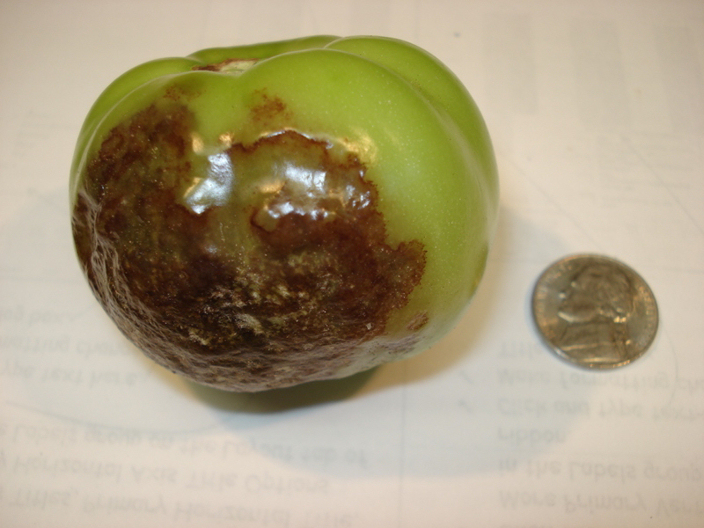
late blight update. no confirmed cases of late blight have been found in rhode island, but it has been found in massachusetts and connecticut, as you can see from this map. if you’re not sure if what you have is late blight, see this fact sheet from the university of connecticut for detailed information and photos of the disease. and i found this post from kathy at skippy’s vegetable garden very informative. she’s actually found late blight in her community garden, but has been taking measures to prevent the infection, successfully so far.

late blight on tomato

Photo from UConn

(crossposted to auntiebeak.com)

Posted in Uncategorized | Leave a comment

Another One for the Life List

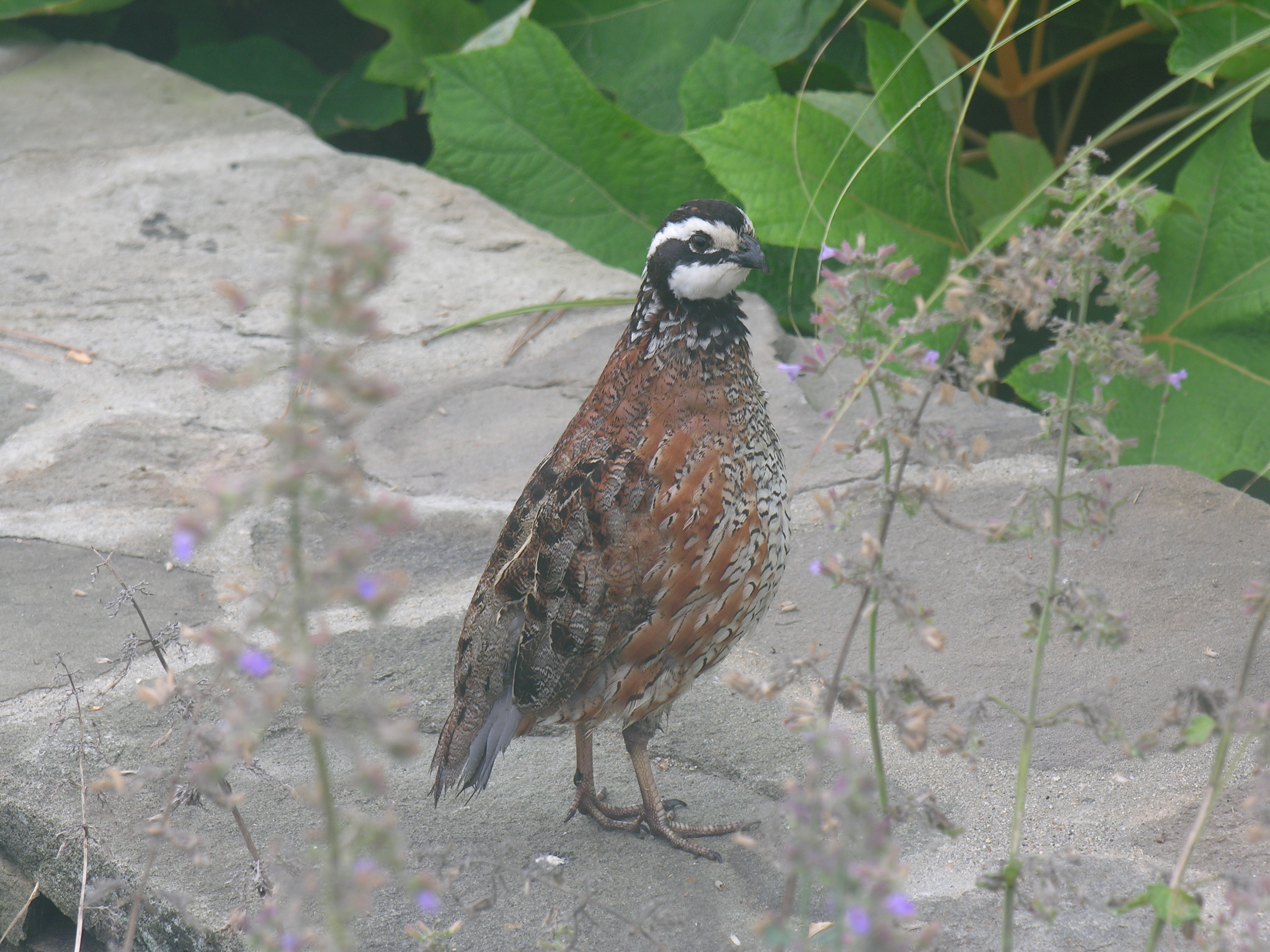
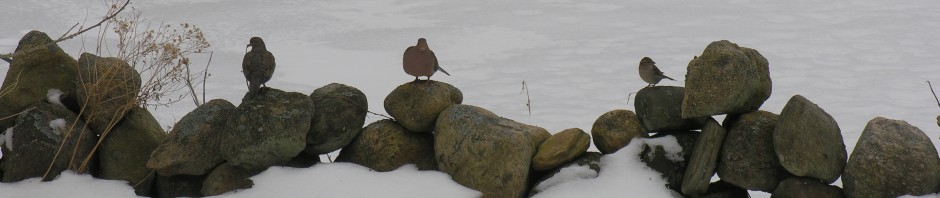
The fetching little bird in the photo is a Northern Bobwhite, Colinus virginianus. I was leaving the house early to walk with my neighbor, and I heard a “different” bird call. This is the time of year when birds begin migrating through, so you never know what you’re going to see or hear. I keep my eyes and ears open.

When we returned from our walk, the bird was still calling. We stood under a pine tree and listened. and then all of a sudden, there it was, standing just a few feet away on a neighbor’s stone wall. I ran back into the house to get my camera certain that the “law of disappearing fauna” would apply as soon as I wanted to take a photo, but when I went back, there it was! I was able to snap away at very close range, still not knowing what species I was photographing. It continued to call sporadically, but it also made chicken-like clucking sounds.

When I started researching using my photos, it was obvious that this was a Northern Bobwhite, a bird I have never seen or heard before. Apparently they used to be quite common in our neighborhood, but are rarely seen these days.

The Northern Bobwhite is a New World quail, native to the eastern U.S. and Mexico. Apparently hunters love to shoot them – although I can’t see what fun it would be to shoot something this cute out of the sky.

Bobwhites eat plants, snails and small insects. They like to hang out in fields, grasslands –  and our back yard. Maybe this one was attracted by the neighbor’s wildflower meadow. I hope it stays a while longer.

Posted in Uncategorized | 9 Comments

A Rose by Any Other Name

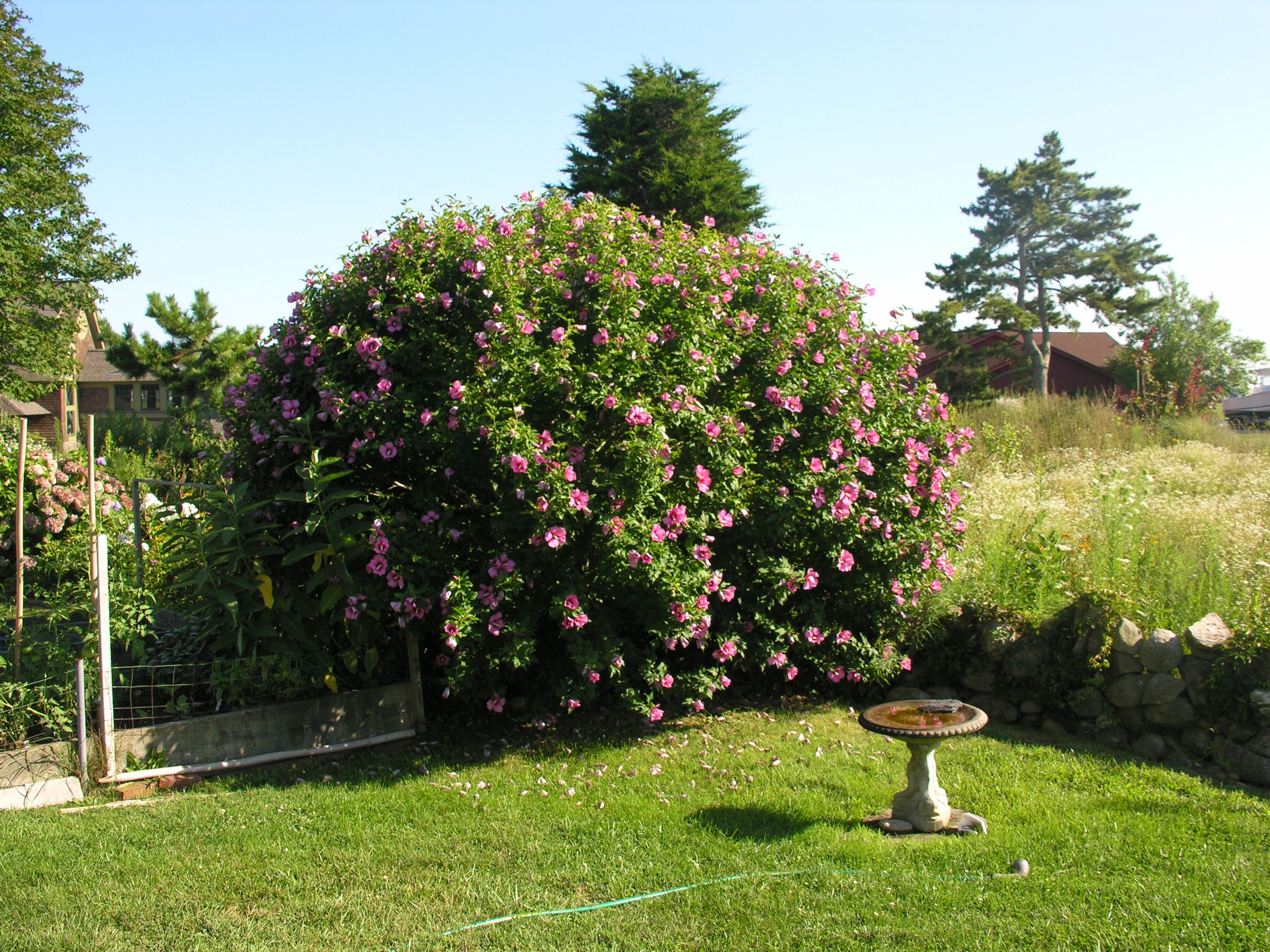
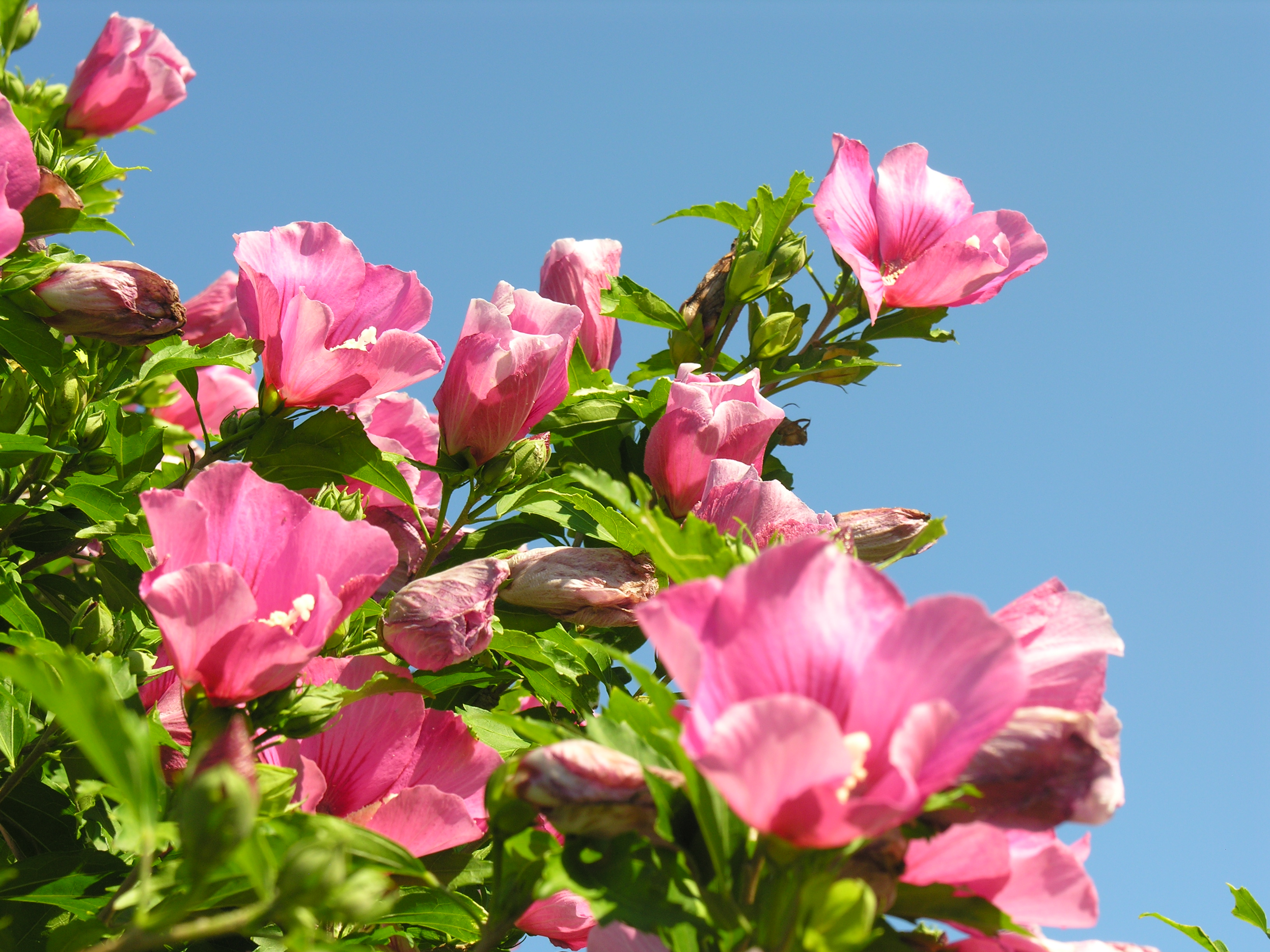
This is my neighbor’s hibiscus. These are not the ones you buy for indoor growing – the ones that almost always succumb to spider mites. This shrub is also known as “Rose of Sharon” here in New England. Like everything else, they are in flower early this year. Deer don’t like eating them – another reason for  their popularity here.

This plant is considered invasive, and I can understand why. Its seedlings sprout everywhere and you really have to stay on top of them. I have to keep pulling them out of my vegetable garden – easy when they’re small.

Hibiscus blossoms are usually pink or white. Some cultivars have very large flowers – a little too large, I think, but maybe that’s just me.

One good positive thing I can say about this plant is that it is an all-out pollen orgy for our bee and hummingbird friends. Here’s a shot of a bee so covered in pollen that you can barely make out her shape inside the flower.

Posted in Uncategorized | 13 Comments

The Fairy Garden

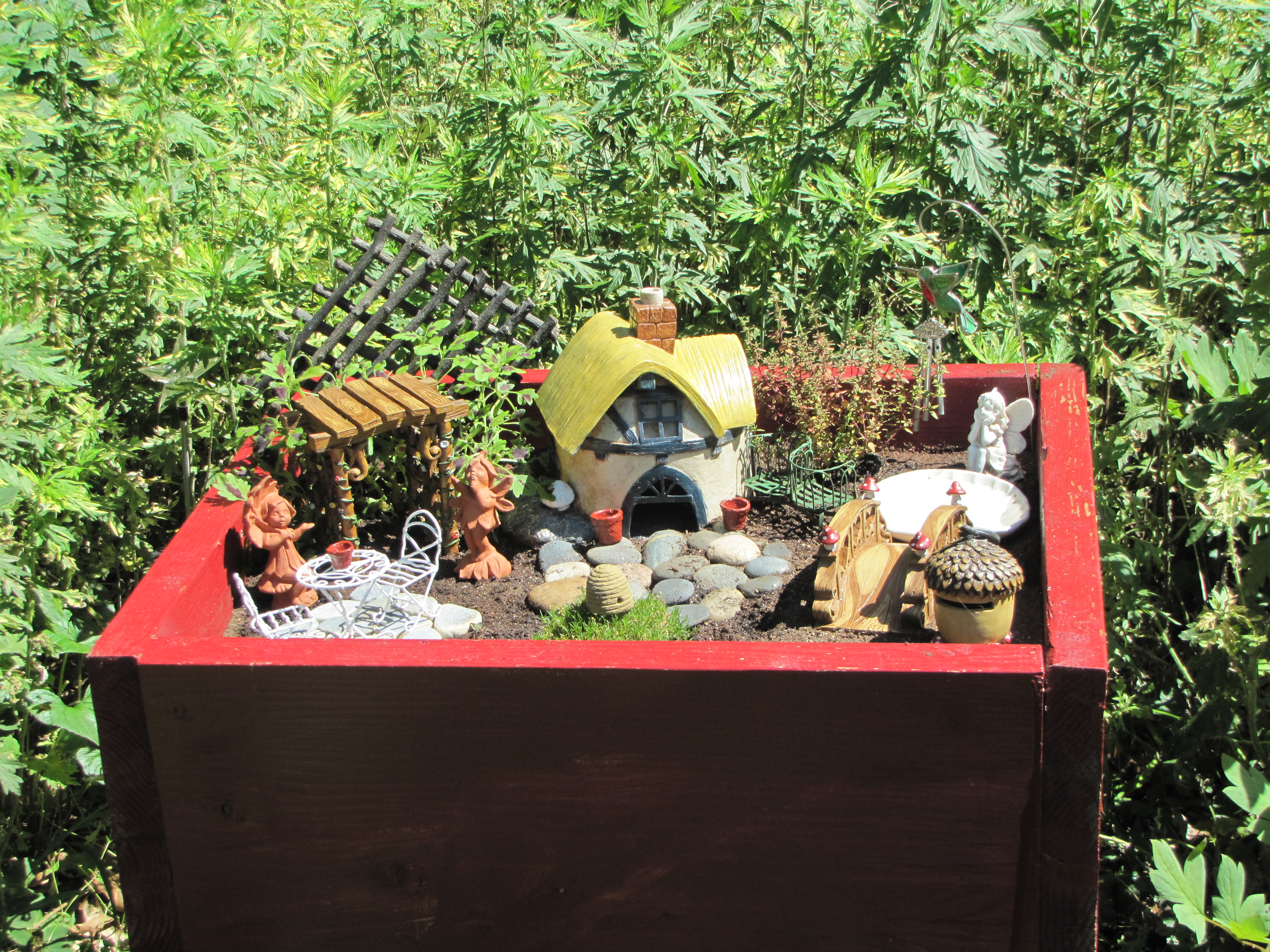
HerbDoc’s fairy garden

HerbDoc has an update on the progress of her “fairy garden.”

I’ve been working on my fairy garden for about three years now and wanted to offer some advice for those who are in the process of establishing one.

My first garden was set on the ground in the very front corner of the perennial bed next to a Josie lilac.  It was pretty simple and consisted of a solar toad house that I bought on line, a group of fairies (which were $2 a piece pot stickers), a (free!) beach stone walkway and some low growing perennial plants.

I really enjoyed it, but it seemed I was always weeding and cleaning up the area.  I hadn’t put anything under the stones and weeds loved to grow through them, and whenever it rained, dirt splashed on the house and surrounding area.

Fast forward to this year…My husband built a box which I promptly painted bright red and then put it on an old side table.  It was filled with various upside down plastic pots to keep the overall weight down.  I added approximately 4-5 inches of potting soil to the top.  The fact that the entire set up is about waist high made the process of designing and planting much easier.

Included in the garden are three plants with very tiny leaves:  a thyme with a reddish cast, a coltsfoot coleus and an Irish moss which to my delight had tiny white flowers for about three weeks.

Decorations include three fairies, the solar toad house with beach stone walkway, and a wrought iron bistro set on a stone patio.  There’s also a little bridge with a pottery scallop shell bath, a trellis, an acorn mailbox, a bee skep, 3 tiny terra cotta pots, and a hummingbird wind chime.

To save money, repurpose items you find in the house or inexpensive items from the toy or gardening aisles, especially in dollar stores.  I’ve found many items for the garden at the end of the season at cut rate prices.  Most stores which carry “fairy” items charge exorbitant sums!

My little garden always brings a smile to my face!  Children, especially little girls, are enchanted with the idea which could be adapted for boys by adding a small dinosaur and some Hot Wheels to the mix.

Posted in Uncategorized | 2 Comments

Mid-July Garden Walk

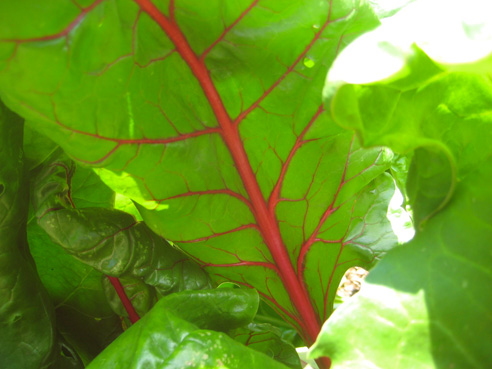
i thought i’d take you on a brief tour of what’s happening in my southeastern connecticut garden this week. first up, swiss chard. i grew a massive amount of swiss chard almost (mostly) by accident. someone gave me a flat of the stuff, and like any good gardener, i just couldn’t bring myself to throw it on the compost pile, so i planted it. turns out, it’s a wonderful green. not as strongly-flavored and tough as kale, more like spinach. i’ve been using it in calzones and omelets and stir-frys and just about anything else i can think of. great stuff.

swiss chard

swiss chard

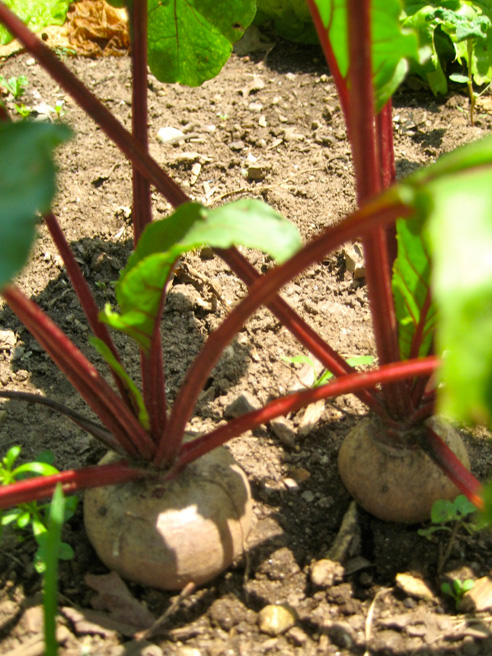
next to the swiss chard, we have the beets. they were direct-sown on may 6th, and it looks to me like they’re ready to eat! i love pickled beets.

beets

beets

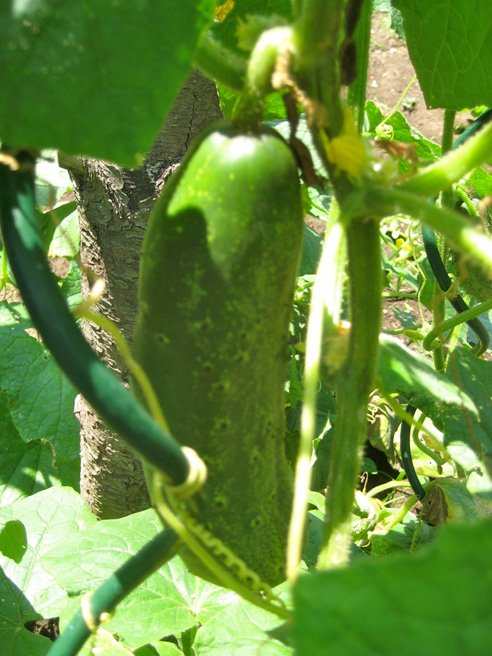
and speaking of pickles, the pickling cukes are coming in gangbusters. i already started a sweet pickle batch with 6-1/2 pounds worth. i have a recipe i got from an old ortho book on canning that takes 8 days to make. my dh loves them, and we ran out last year, so i’ll be making several batches this year, if the plants hold out. they’re looking a little sad already, though.

pickling cuke

pickling cuke

next stop is tomatoes. unfortunately, out of the 18 or so varieties i planted, nothing has ripened yet. but remember that post about the indigo rose tomatoes from last april? here they are, ripening on the vine. they look fantastic!

indigo rose tomato

indigo rose tomato

now we come to another purple beauty, burpee’s hybrid eggplant. too small to pick, but looking great.

burpee hybrid eggplant

burpee hybrid eggplant

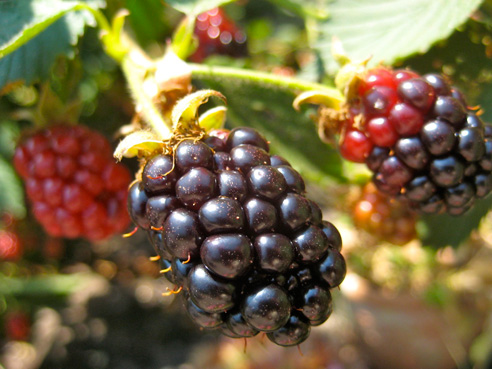
and this third example of purple fruit is our thornless blackberry. this is the best plant in my garden… it is totally carefree, fruits on this year’s wood, did i mention it’s thornless?, nobody seems to want to eat it, and it produces like crazy. we will soon be hip-deep in blackberry jam… yum!

thornless blackberry

thornless blackberry

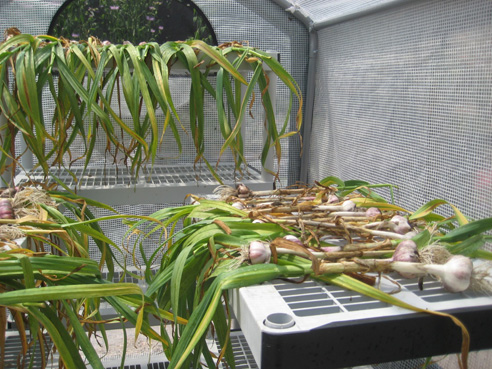
finally, this last shot is technically not in the garden. but it was until very recently. the garlic got harvested, and it’s sitting in the portable greenhouse drying now. looks like a good crop, though it never seems to last me the whole winter. this year i tried a variety called early italian easy-peel. with a name like that, who could resist?

garlic

garlic

(cross-posted to auntie beak’s blog)

Posted in Uncategorized | 6 Comments

Adventures with snap peas

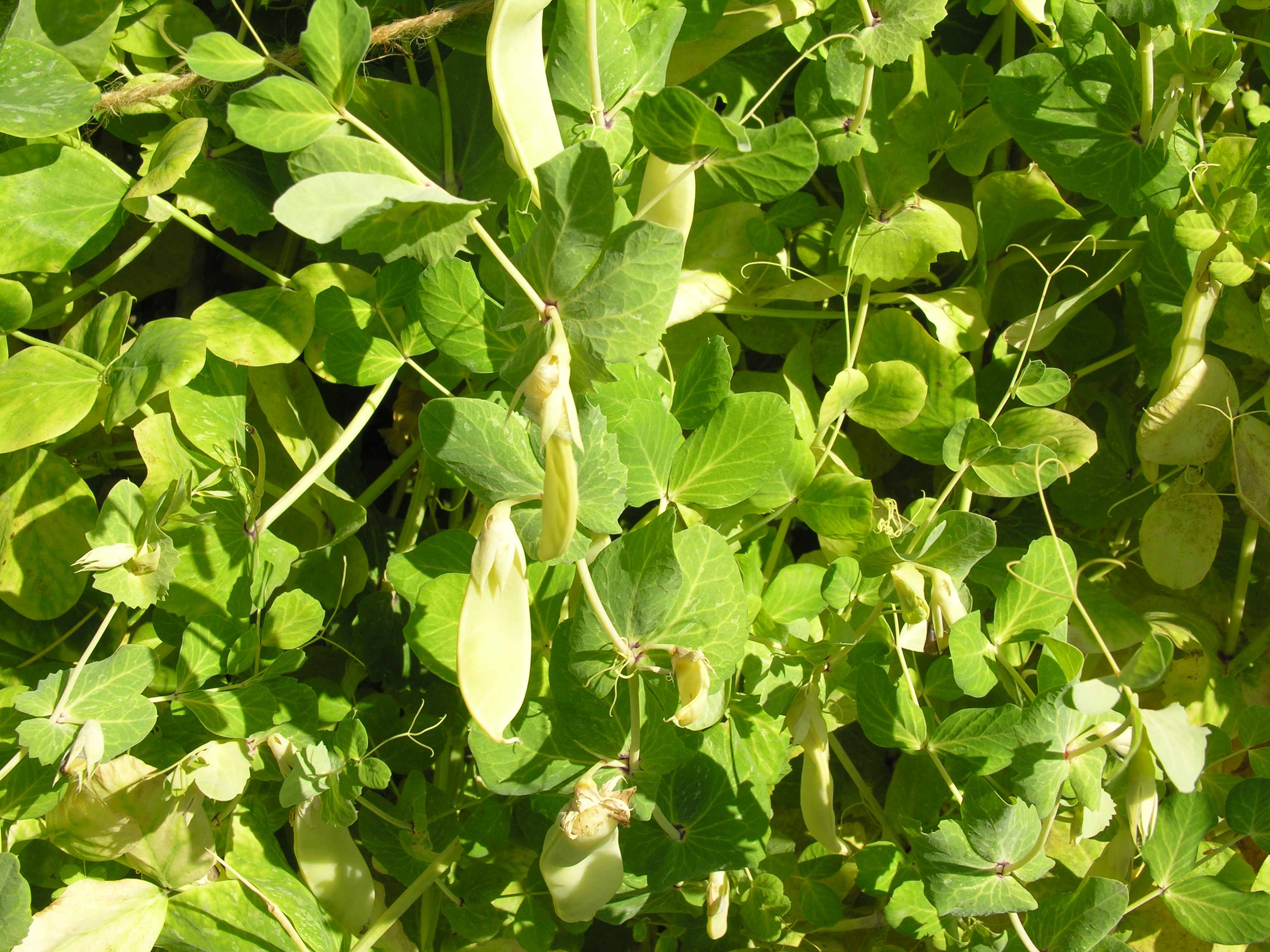
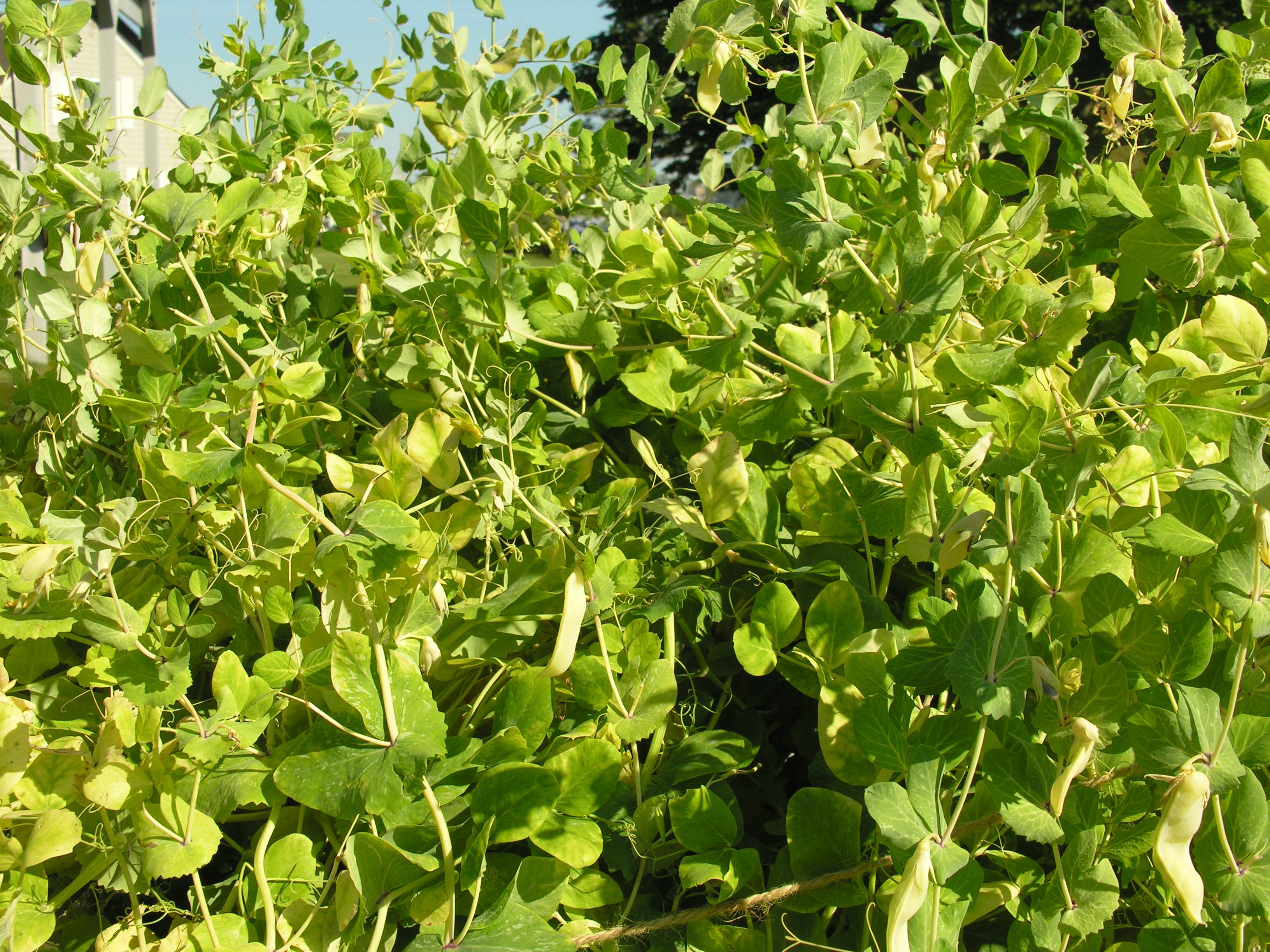
The snap peas in the photo are “Golden Sweet.” I ordered them from Baker Seeds,  and apparently they were originally discovered at a market in India.

I grow snap peas every year, and I am always rather late in planting them. Around here, people start planting around St. Patrick’s day, but I never get around to mine until April. I like to try new varieties every year, because that’s how I find new favorites. Golden Sweet is definitely one of them, and I will plant it every year from now on.

Here’s what I like about it: It’s delicious, pretty, especially when I mix it with a green favorite like “Carouby de Maussane,” it germinated way faster than any I have grown before, and it has produced like mad for a month now, even in hot weather.

The plants are extremely robust. I inoculated at planting, but I have given them no special treatment other than the occasional cursory watering. If you’re looking for something a bit different that still performs reliably, you might want to check this one out.

Posted in Uncategorized | 7 Comments

Very Small

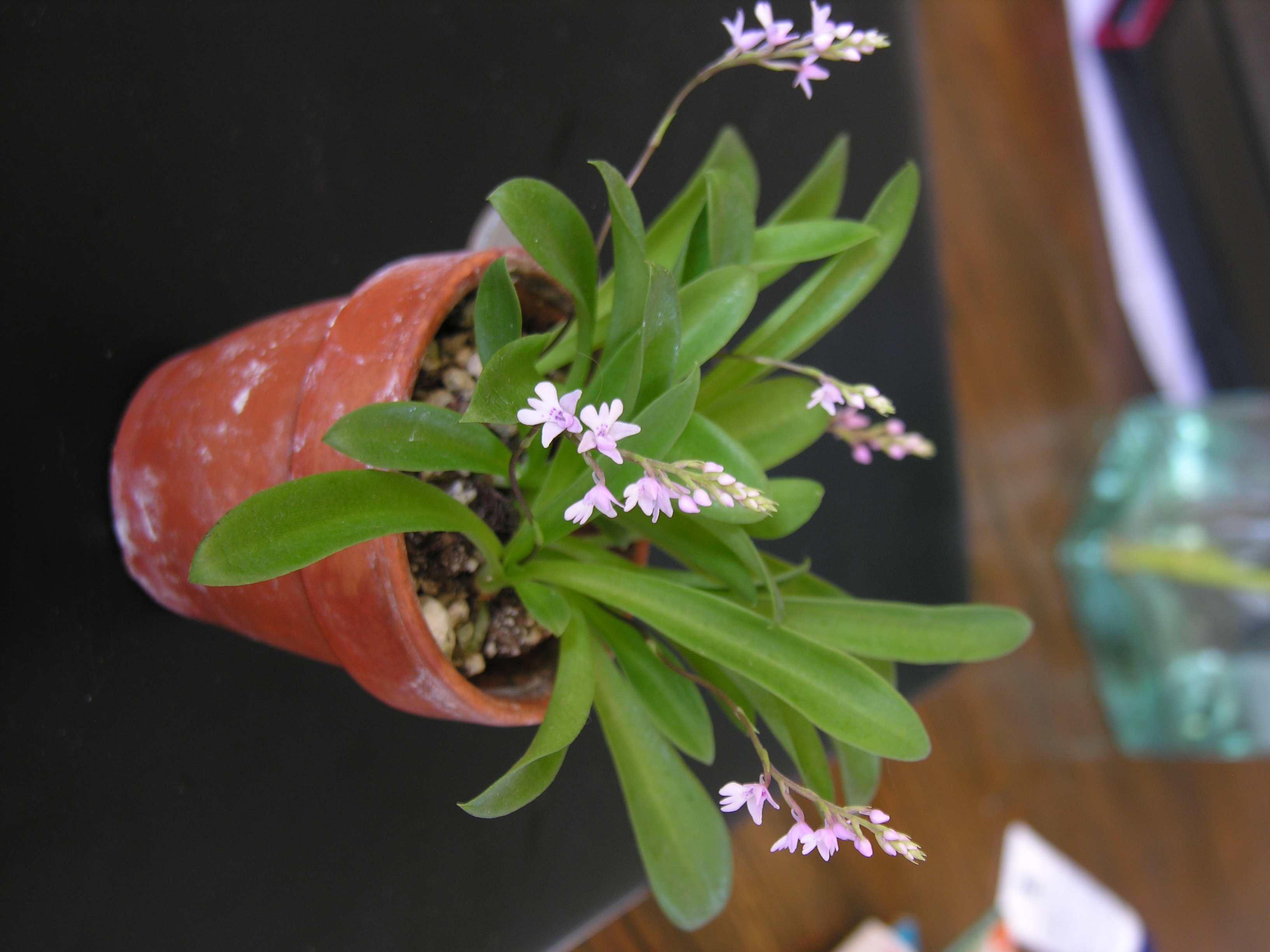
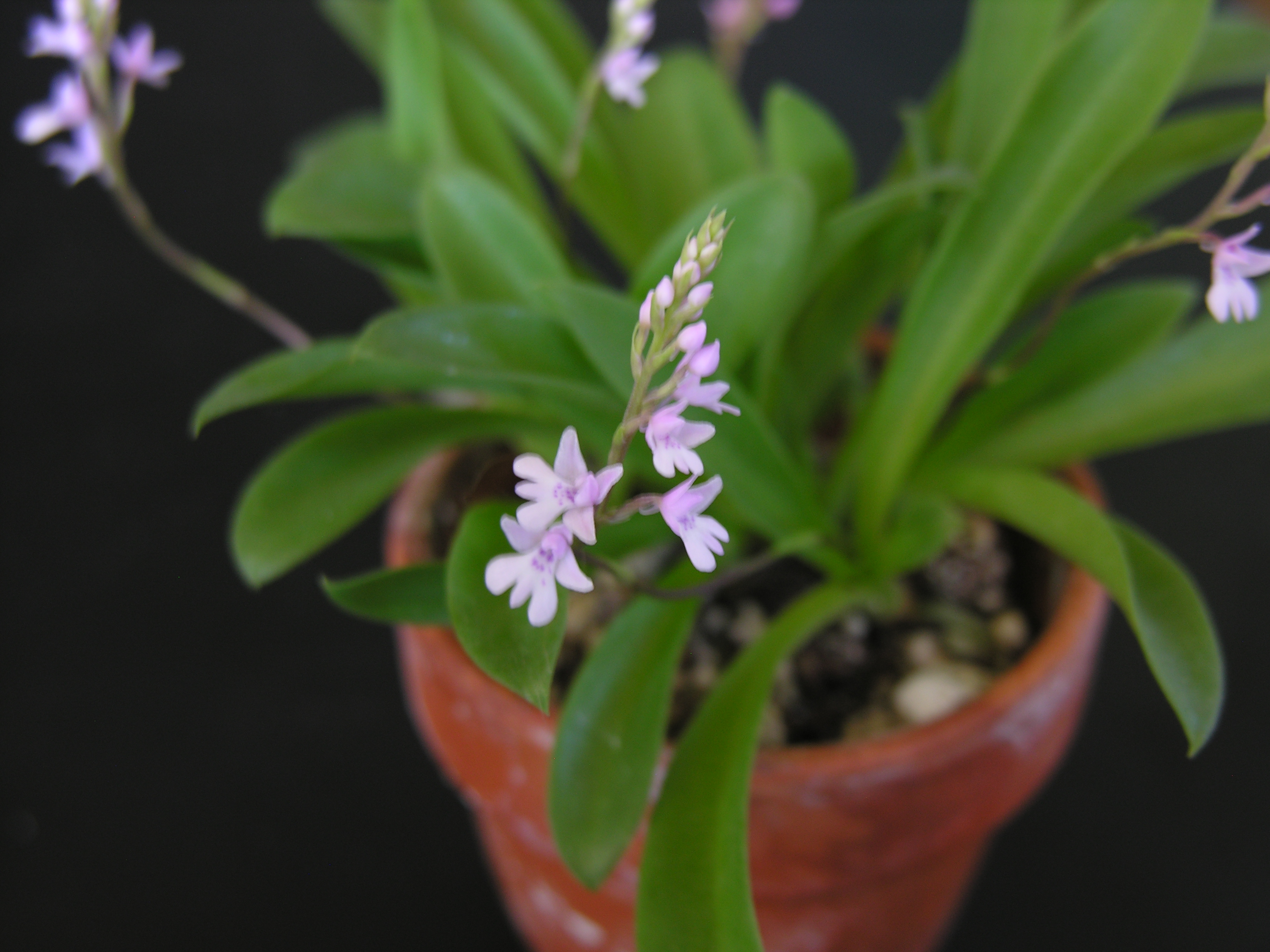
The orchid in the photo is one of my beloved miniatures. Stenoglottis Woodii is native to South Africa, and it is deciduous. When I bought it, there were just a few dead leaves on top of the soil. I followed the grower’s instructions, and watered it very lightly while it was dormant. I was thrilled when  green shoots began to push up through the soil in March, and even more thrilled when I saw that the plant was in spike and would soon flower.

The flowers are very delicate – in perfect proportion with the rest of the plant, which is about 3 1/2 inches tall.

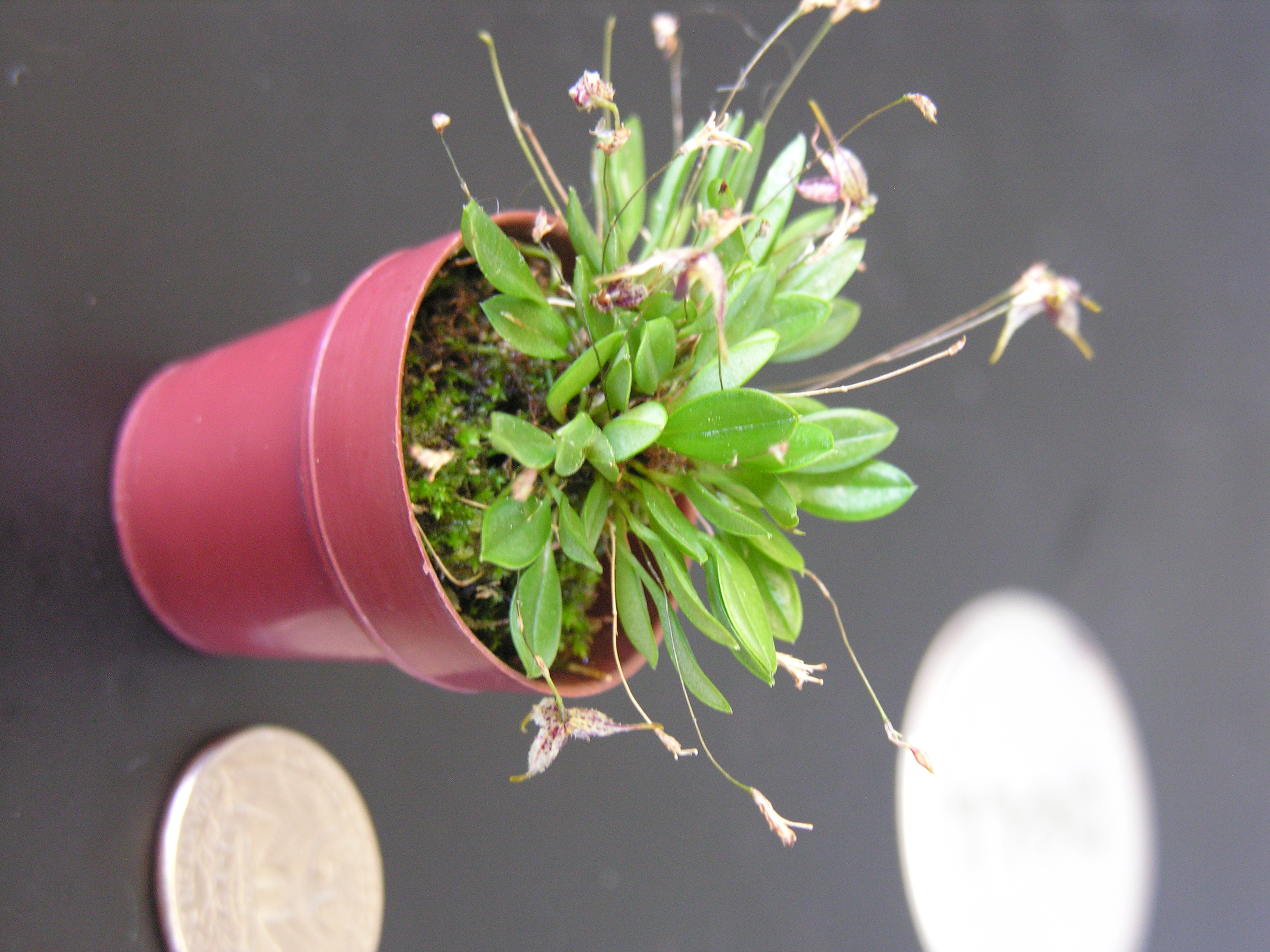
And here’s tiniest orchid in my collection –  no more than 1 1/4 inches tall. I have placed a quarter next to it, so you can get an idea of just how small it is. Pleurothallis alata is native to Mexico, Honduras, Guatemala, Costa Rica and Nicaragua. When I bought it, it had what looked like spent flower stems, but the grower told me not to cut them. I followed her advice, and a couple of weeks ago,  I was astonished to see that it was in flower, but that the blooms were so tiny, I hadn’t even noticed!

Miniature orchids are right up my alley, because they live happily on windowsills, and bloom at different times throughout the year so I almost always have something in flower.

I apologize for the less than stellar quality of the photos. I had a heck of a time shooting these miniscule plants.

Posted in Uncategorized | 14 Comments