Spring Thoughts

HerbDoc has a spring in her step these days!

The weather here in Rhode Island during the past week has been spectacular, and it seems as if spring has finally arrived!  Snowdrops and crocus have been happily blooming in my garden, the daffodils are up and budded, and the goldfinches at the feeder are showing deeper coloration. Spring songs are evident from other feathered friends.

The markets are carrying cut and potted spring flowers, the always popular St. Patrick’s Day shamrocks, and oxalis, often mistaken for real shamrocks.  For those who are unfamiliar with the legend behind the four leaf clover, the leaves represent faith, hope, love and luck.  In Ireland, the three leaved shamrock represents the Holy Trinity:  the Father, the Son, and the Holy Ghost.  If a shamrock is found with a fourth leaf, it represents God’s Grace.

It is said that Eve carried a four leaf clover from the Garden of Eden, and the early Celts used white clover as a charm against evil spirits.  The Druids considered the four leaf clover a symbol of luck.  Finding a real one today is a rarity, and like the Druids, we see it as a sign of good fortune.

Happy St. Patrick’s Day to all and here’s to the continuing good weather and finding a four leaf clover in your lawn when it greens up!

Don’t forget to push your clocks ahead one hour on Saturday evening!

Posted in Uncategorized | 4 Comments

By the Light of the Moon

HerbDoc has some interesting thoughts on spring planting:

Farmers and gardeners have been tuned into the phases of the moon for centuries.  Controlling pests, fertilization, harvesting, irrigation, planting and even animal breeding were often dictated by the moon phases, sometimes in conjunction with astrological signs.

For gardeners, the important rule is to plant above ground vegetables such as lettuce and other leafy plants “by the light of the moon.”  This is the period after the New Moon when the light gradually increases to the Full Moon.  Crops that produce below the ground such as onions and potatoes are planted “by the dark of the moon”, that is the period after the Full Moon when the light decreases.  It is said that by following these practices, crops will grow larger and more quickly with bigger yields.  On the other hand, if one does the opposite, negative results will occur.

My grandmother always followed three “moon” rules:

1) Plant seeds within 2 days (48 hours) before a full moon;

2) Plant potatoes only by the dark of the moon; and

3) Never plant anything on the day of a Full Moon, a New Moon, or

in the last quarter (to the New Moon).

My grandmother’s gardens were always amazing, producing huge amounts of vegetables for “putting by” and gorgeous annuals and perennials.  Not one to question her wisdom, I follow her lead, but not always with such spectacular results.  (I attribute that to not having the three dozen or so chickens which provided composted manure for her gardens on a yearly basis).

To find specific dates for planting and other gardening chores in 2010, log onto www.farmersalmanac.com for a free guide.

Posted in Uncategorized | 4 Comments

Gardening Apps: Tools or Toys?

Hmmm... those fingernails are just a bit too clean.....

With so many people using smart phones and iPods these days, I thought I’d do a quick survey of gardening apps available for these devices. New apps being added to iTunes almost daily, so it’s useful to check often for the latest introductions.

At last count, there are nearly 50 gardening apps available. Many of these are really just new ways to make and save your garden “to-do” lists.  I was unable to find any that are free.

Here are a few for your consideration. I always like to read the user reviews before I buy, so I don’t buy anything that has not yet had any reviews.

Botany Buddy: $9.99

The “ultimate” (and priciest) guide to trees and shrubs.

Good reviews. I am tempted.

Botanical Interests: $5.99

Despite the silly name, I bought this after reading positive reviews and so far I like it. Good interface and nice graphics make it easy to use.

Master Gardener: $3.99

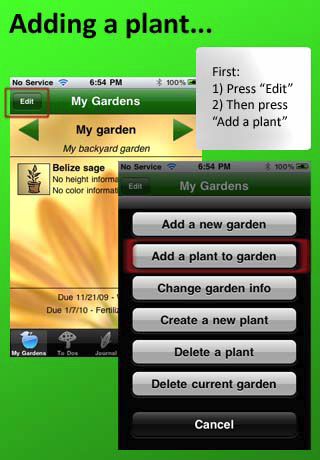
One of numerous garden journal/ tracking/ planning apps, but according to the user reviews, one of the best.
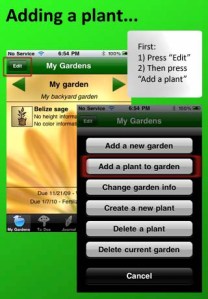
The Master Gardener app

iGarden USA: $4.99

Another garden planning and tracking app.

Some reviewers found it a tad simple for the price – ie: not enough information.

Organic Garden: $1.99

A journaling and “to-do” app that allows you to post photos of your plants. As the name implies, for organic gardeners.

No reviews yet of the latest version

Garden Insects: $.99

A reference for  garden insects. One review only, calling for a bigger database – a common request with many of these apps

Homegrown: $.99

For veggie gardeners. Keeps track of your harvest – quantities and dates. Intriguing concept.

No reviews yet

Eden Garden Designer: $.99

A design app that allows you to see how your garden will look at different times of the year.

The idea sounded great, but this app had mixed reviews.

iPlant: $1.99

A reference guide with information on edible and medicinal plants. This looked promising – until I read the reviews. One person pointed out a glaring error that advised that rhubarb leaves, (known to be poisonous) are tasty. Yikes!!!

MyGarden: $1.99

More or less a plant data entry app – with not enough data, it seems.

Poor reviews.

Houseplant 411: $4.99

A decent database, with information on choosing and caring for houseplants. There is also help for ailing plants.

People who bought it say this is a practical, easy-to-use app. I might just spring for this one.

New apps being introduced at a dizzying pace, so there will  be many new ones coming at us. I think it’s important to make a distinction between what is “cool” and what is truly useful. It’s easy to get sucked in by pretty photos and graphics, but will you actually USE the app once you have gotten to know it? Also, how do you know the information you are accessing is accurate? I guess the best way is to read what others are saying about the app and to steer clear of those with a lot of bad reviews.

Please let us know if you have used any of these apps, or if you know about new and/or better ones.


Posted in Uncategorized | 3 Comments

An AeroGarden

HerbDoc has some thoughts on the AeroGarden:

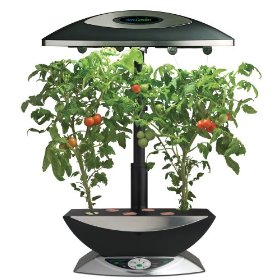
I’ve often thought about having an AeroGarden for growing winter vegetables and was pleasantly surprised when my husband purchased the 6 Elite+ for me at Christmastime.  This particular unit is said to be the top of the line and provides twice the height (2 feet) on an extendable arm and 50% more light (4350 lumens) than the standard AeroGarden 6.

The AeroGarden 6 Elite Plus

The unit itself is black with brushed stainless trim and includes a trellis system.  It supposedly can be set to turn on and off for specified amounts of time, but I’ve had no luck here.  It automatically turns off at 5:30 PM, but although it’s set for vegetables on a 12 hour cycle, it insists on turning on at 2:30  every morning.  The system also has a 24 hour light cycle which makes no sense since plants need both dark and light periods to grow.  The unit came with two pods planted with Ruby heirloom tomato seeds, four spacer pods and a bag of organic fertilizer tablets.

I set up and planted the garden about 2 weeks after Christmas.  On the positive side, the pods germinated in 10 days, and the plants are currently fifteen inches high, in full flower, and have covered the base.  The smell of tomato greenery is wonderful when the plants are touched!  I also carefully checked my electric bill, and there has been little or no change.

My only complaints have been with the ornery timer system and the very noisy, buzzing base which contains the air pump.  I contacted AeroGarden immediately about the noise because it could be heard three rooms away, and they have promised a replacement.  One other drawback of the AeroGarden is that well water cannot be used in the unit; city water or distilled water is fine.

In order to save money, I plan to save and clean the pods, replacing the sponges with new grow sponges or rock wool.  I will also use my own seeds in the future and fertilize with Para Vida Bloom which will not clog hydroponic systems.  What really looks interesting to me now is AeroGarden’s optional “Garden Starter Tray” for the Elite 6+,  in which 66 seedlings can be started for planting outdoors.

Posted in Uncategorized | 4 Comments

Soil Blockers

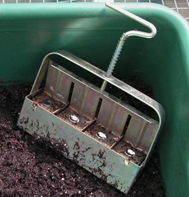
The Johnny's Selected Seeds soil blocker

Here’s Herbdoc with something that should make seed starting easier:

I finally decided to invest in a soil blocker instead of purchasing peat pots and saving various containers for seed starting every year.  These small tools turn out blocks of growing media that have been compressed into their own containers.

Seedlings grow very strong root systems in these blocks and cannot become root bound as they do in regular pots.  In order to hold its shape and retain moisture, the mix which is used to fashion the blocks needs some fibrous material.  Although commercial mixes can be used, some contain wetting agents or fertilizer making them unsuitable for organic growing methods.

Eliot Coleman in the New Organic Grower recommends the following recipe for about 2 bushels of mix:

3 (10 qt) buckets of brown peat

½ cup lime

2 (10 qt) buckets of coarse sand or perlite

3 cups equal parts of blood meal, colloidal phosphate and garden sand

1 (10 qt) bucket garden soil

2 (10 qt) buckets of well decomposed compost

Moisten the mix using one part warm water to every three parts of blocking mix.  The mix should have the consistency of peanut butter or wet cement.

Water should ooze through the blocker as the blocks are made.

I found gathering all of these materials tedious so when I purchased my blocker from Johnny’s Seeds ($29.95), I also ordered a bag of organic 512 mix which is available in 20 or 60 qt. bags.

The blocker itself is easy to use!  Just make a pile of mix about 1 ½ times deeper that the height of the blocker.  Plunge the blocker down into the mix, giving it a quarter turn, lift, and set the blocker in your tray.  Push down on the handle and raise the blocker.  Presto!  Four neat little pots.  Rinse the blocker in warm water before making the next set.

The blocker even makes its own indentations for the seeds.  Cover with additional soil (or not) as specified on the seed packet.

I’m really excited to have this new tool and not to have to purchase peat pots any longer.  The peat pots easily fell apart or were too dry or too wet, and I had to rip the tops off every pot when transplanting so they wouldn’t wick water.  Seedlings grown in the soil blocks are said to establish themselves more quickly because they have stronger roots which are less disrupted when transplanted.

Let us know if you’ve used the blockers and what your results have been.

Posted in Uncategorized | 2 Comments

The Montreal Botanical Garden, Part II: the Insectarium

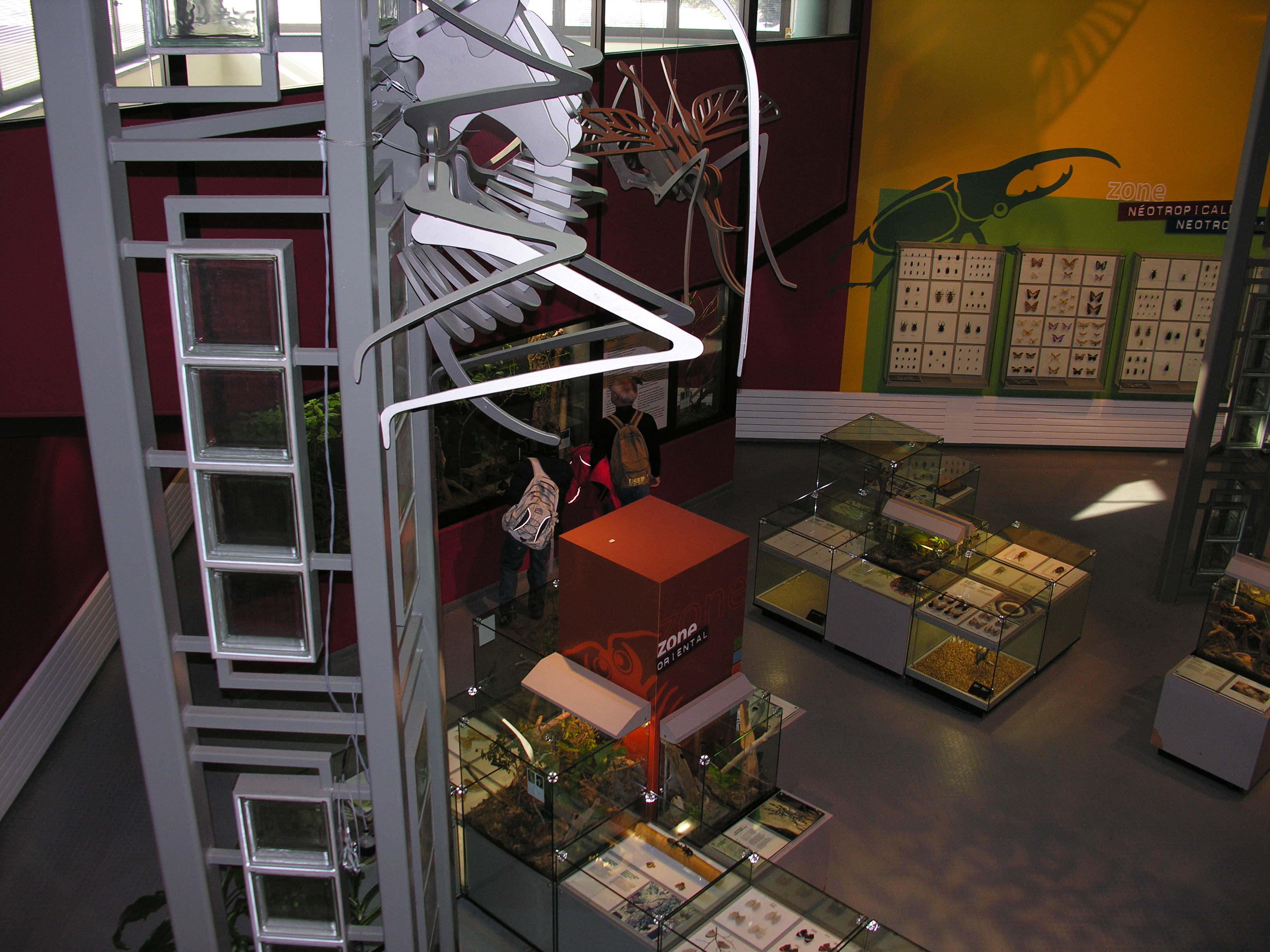
The Insectarium, viewed from the entrance above

This was my first visit to the Insectarium. It is a short walk from the Botanical Gardens, and is one of Montreal’s most popular tourist attractions. Your ticket to the gardens includes the entry fee for the bugs!

Apparently the exhibit of free flying Monarch butterflies is a must-see, but I missed the opening by a couple of days, so I had to content myself with the permanent collections.

The largest Coleoptera? Whatever - it's huge!

The tropical insects never fail to amaze me. Here is what may be the largest coleoptera in the world (but of course, entomologists are still debating this). It is about the size of a house sparrow, but much scarier looking.

The Cobra butterfly

This cobra butterfly is so named because the markings at the tips of its wings look like cobra heads. Nothing like that in New England, that’s for sure.

Beautiful, aren't they?

I loved the impossibly bright colors of many of the tropical butterflies. Imagine living in a place where these amazing creatures are fluttering around.

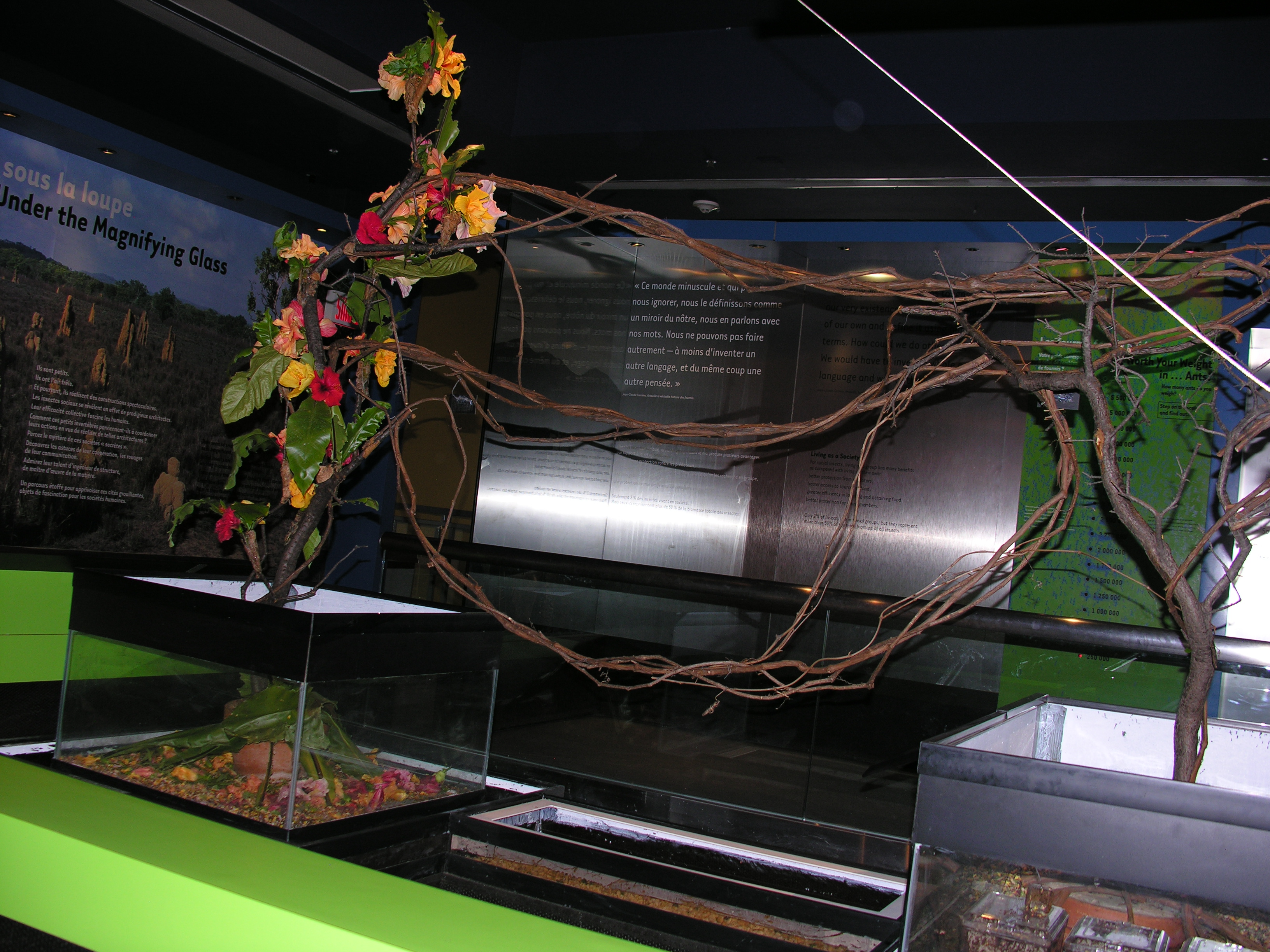
The Atta ant exhibit is open to the room.

Before leaving, I stopped for a while at an intriguing display of “atta”  – or Leafcutter – ants. There are enclosed food and shelter areas at each end, but the middle consists of bare branches wide open to the room. The curators have laid down scent trails, and the ants simply follow them, scurrying back and forth, carrying leaves they have cut. For me, this was the highlight of the visit.

One of the ants, carrying a leaf.

For more information on the Insectarium, click here.

Posted in Uncategorized | Leave a comment

The Montreal Botanical Garden

I was back in Montreal recently, and had some time to visit the city’s famous botanical garden. Sitting in the shadow of the hulking Olympic Stadium, this is a big complex – 185 acres of greenhouses and themed outdoor gardens. With the outdoor gardens covered with snow, my explorations were confined to several greenhouses.

The Olympic Stadium, seen from the Botanical Garden

My tour began with the “Tropical Food Plants” exhibit

The tropical food plants greenhouse. Steamy!

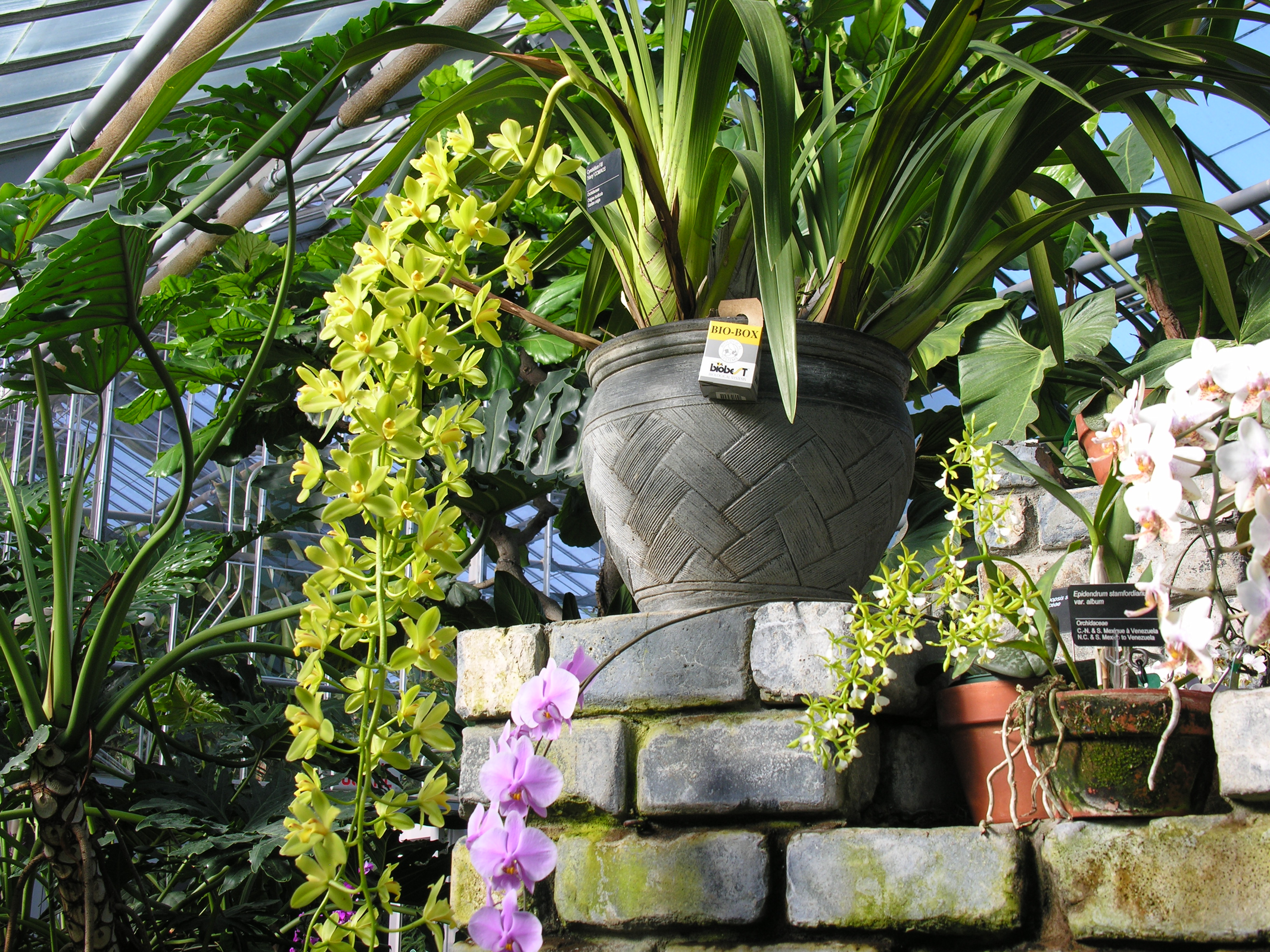
and continued into the stunning orchid greenhouse. Being an orchid junkie, I spent the longest time here.

My favorite exhibit

The fern exhibit was next, and it is lovely. The greenhouse is bisected by a waterfall that you can  walk under.

The waterfall

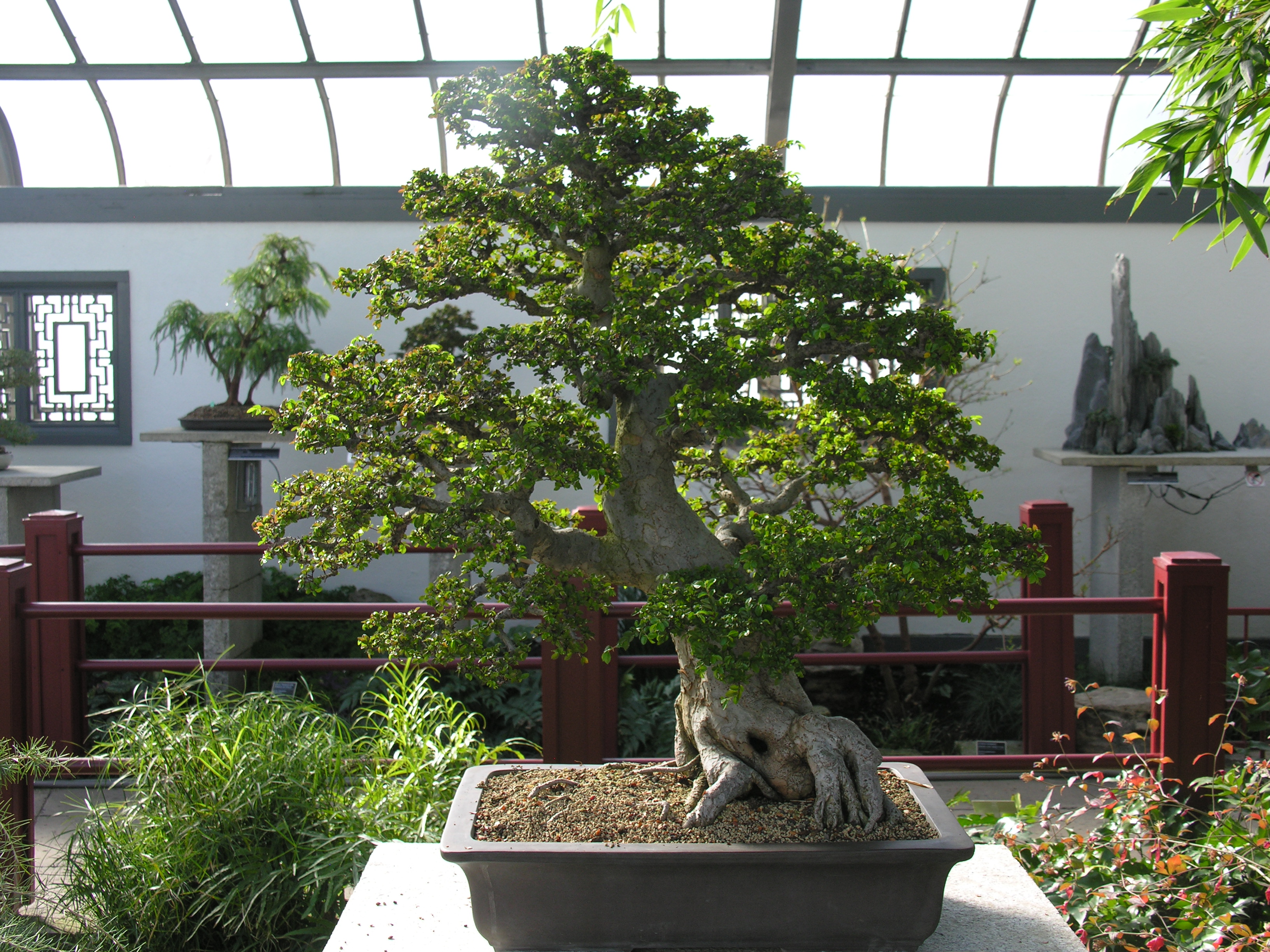
Finally, I arrived at the renowned bonsai exhibit. This was my second favorite greenhouse. I loved the way the trees were displayed in so many different ways. It was all designed to show them to their best advantage, and it worked.

The bonsai exhibit

You can easily spend hours in the greenhouses, but there are  many strategically placed benches so you can rest your tired feet and take it all in. In the summer, there is a lot more to see outdoors, including the Chinese and First Nations gardens.

For more information on this great horticultural attraction, click here.

Next: the bugs next door

Posted in Uncategorized | Leave a comment

Weird Garden Diseases: Part III

x-ray showing mycotic arthritis

In this final installment of my miniseries, I will explore fungal, or “mycotic” arthritis. This is a rare condition that affects bone and joint tissue. It arises from several conditions, all caused by fungi.

Below are a few of  the fungi-induced ailments that we can catch from coming into contact with contaminated soil:

  • Blastomycosis: caused by the fungus Blastomyces dermatitidis. Contracted by inhaling spores from infected wood or soil. Found mainly in south –central and Midwest regions of the United States and Canada.  Rare. Usually affects people with weakened immune systems.
  • Cryptococcosis: caused by the fungus: Cryptococcus neoformans. This fungus is also found in soil and infects the body through the lungs. It can lead to serious neurological symptoms in people with compromised immune systems.
  • Histoplasmosis: caused by the fungus: Histoplasma capsulatum. Like the others, this fungus enters through the lungs. It lives as a mold in the soil, and areas contaminated with bird or bat droppings can have higher concentrations of histoplasma.  Histoplasmosis can produce flu-like symptoms, and is a more serious concern in people with decreased lung function.
  • Sporotrichosis: Sporothrix   schenckii. Our old friend, the skin infection, “rose thorn disease.” Please read my previous post for more information.

All of the above-mentioned fungal infections can cause fungal arthritis. Doctors test for arthritis using procedures such as x- rays and synovial  (joint) fluid biopsies.

I have to say that after researching this series, I might just tuck a face mask into my gardening bag for windy days…..

Posted in Uncategorized | 3 Comments

Weird Garden Diseases: Part II

In this installment of my miniseries on more obscure garden illnesses, please feast your eyes on the gypsy moth caterpillar (Lymantria dispar). I’m pretty sure that most of us have seen these creatures, and the damage they can do to trees and shrubs. But did you know that they can also give you an unpleasant rash? (I have always wondered why birds don’t eat them. The larvae could be toxic.)

The first significant cases of gypsy moth-related dermatitis in the United States were seen in the northeast in the early 1980s. These outbreaks occurred during severe infestations, and were probably as a result of people coming into contact with the early larval stage – or first instar – of the moth. That’s when they are tiny and hang out in webs that can be blown around in the wind.

first instar gypsy moth larvae

Researchers think the fine hairs, or setae, of the larvae contain toxins, which, when they come in contact with human skin, make us itchy. The rash resembles a mild case of poison ivy, and can be treated with cold compresses and calamine lotion.

Next:  fungal arthritis

Posted in Uncategorized | Leave a comment

Weird Garden Diseases: Part I

Early last summer, I was helping a designer in her client’s garden. I was wearing gloves, but I still developed a weird rash on my finger. Then it occurred to me that the previous year, I had gotten a rash on the same finger while working in the same garden, but that rash had gone away, and this one was still there, months later.

I finally got to the dermatologist, who did a culture and determined that it was a simple case of eczema. But the experience got me thinking about the stuff you can catch while you’re gardening. I am not going to get into plants like poison ivy here. This series of posts focuses on other, more obscure  nasties.

A sporotrichosis infection

One of the most common infections is Sporotrichosis, caused by the fungus Sporothrix schenckii. It is more commonly known as”rose thorn disease,” because you can catch it when you handle thorny plants. But you can also get it from sphagnum moss (always wear gloves when you work with sphagnum!)  and hay. The fungus enters the skin through small cuts or punctures. You can also get a lung infection if you inhale it.

Sprotrichosis usually first appears as a small bump on the skin, but it can develop into open sores that won’t heal.  Obviously, it’s a good idea to get yourself to a dermatologist for this and all such rashes.

Treating this fungus is fairly straightforward, once the doctor has done a culture. You can prevent infections altogether by wearing long sleeves and thick gloves while handling thorny plants, and by wearing gloves whenever you are using sphagnum moss.

Next post: when caterpillars attack!

Posted in Uncategorized | Leave a comment