Something Different


HerbDoc has some thoughts on a different species of oregano:

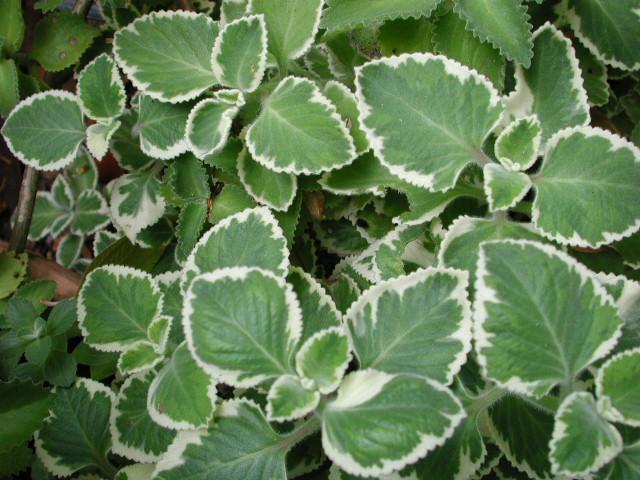
My go –  to herb garden in Connecticut always offers something new and unusual to add to my ever growing collection. On my last trip, I purchased Cuban variegated oregano, Plectranthus amboenicus variegata. This popular herb is used in both Spanish and Cuban cooking. I’m told that it is delicious deep fried in batter but I haven’t tried it yet!

I can say that it has a heady oregano aroma! Its fleshy oval leaves have very distinctive shallow white edged teeth around the perimeter. It is said to prefer full sun and rich well-drained soil and grows to 12 inches tall and some 20 or so inches across.

Since it’s a tender perennial, I intend to grow it with my other herbs that winter indoors – the bay, lemon verbena and a few smaller rosemaries.

Posted in Uncategorized | 6 Comments

A Favorite Hike

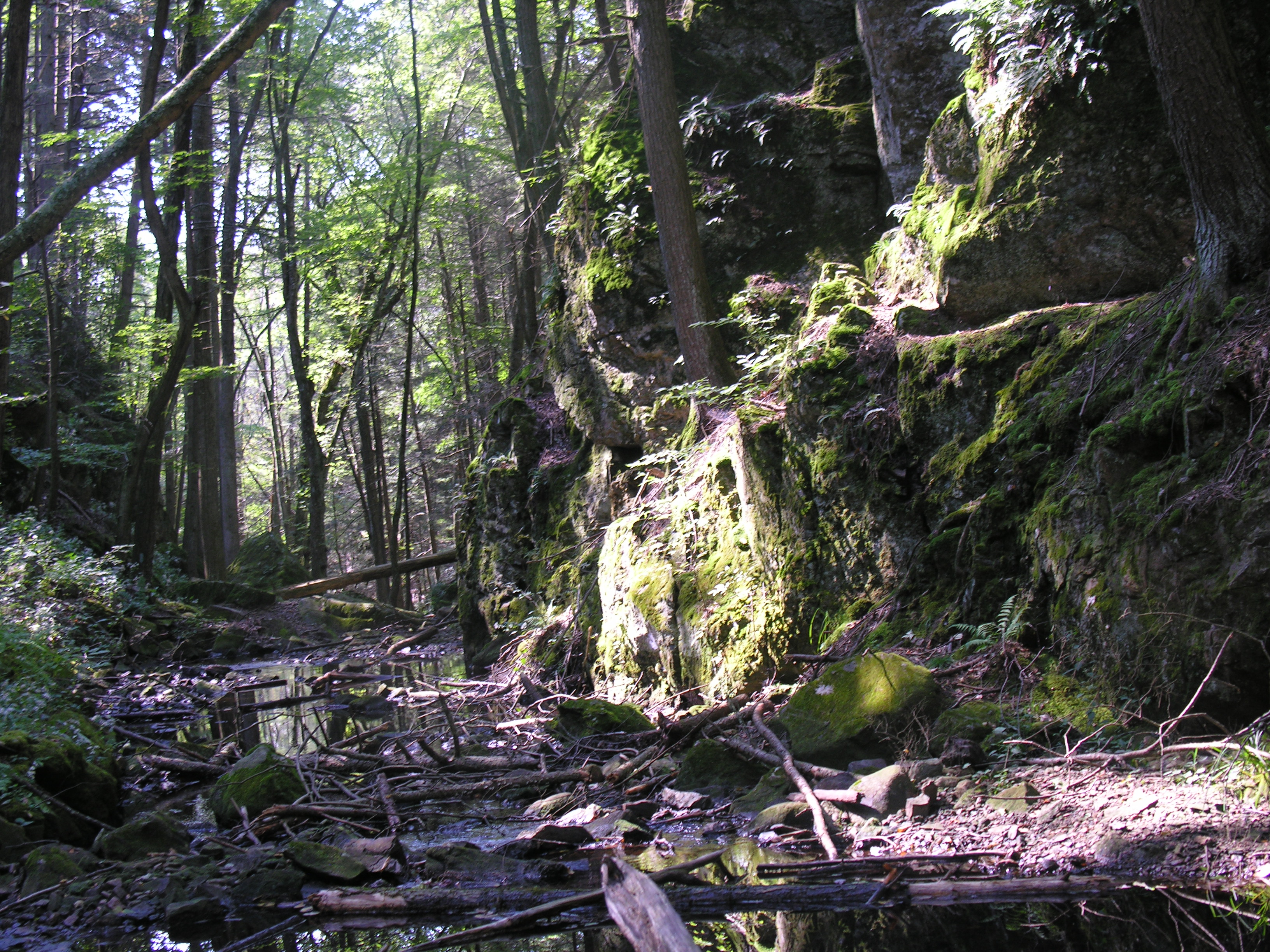
It’s hard to believe this is Connecticut, just over the Rhode island border. Check out the old hemlocks leaning into the gorge. The light is magical. In fact, the entire place is.

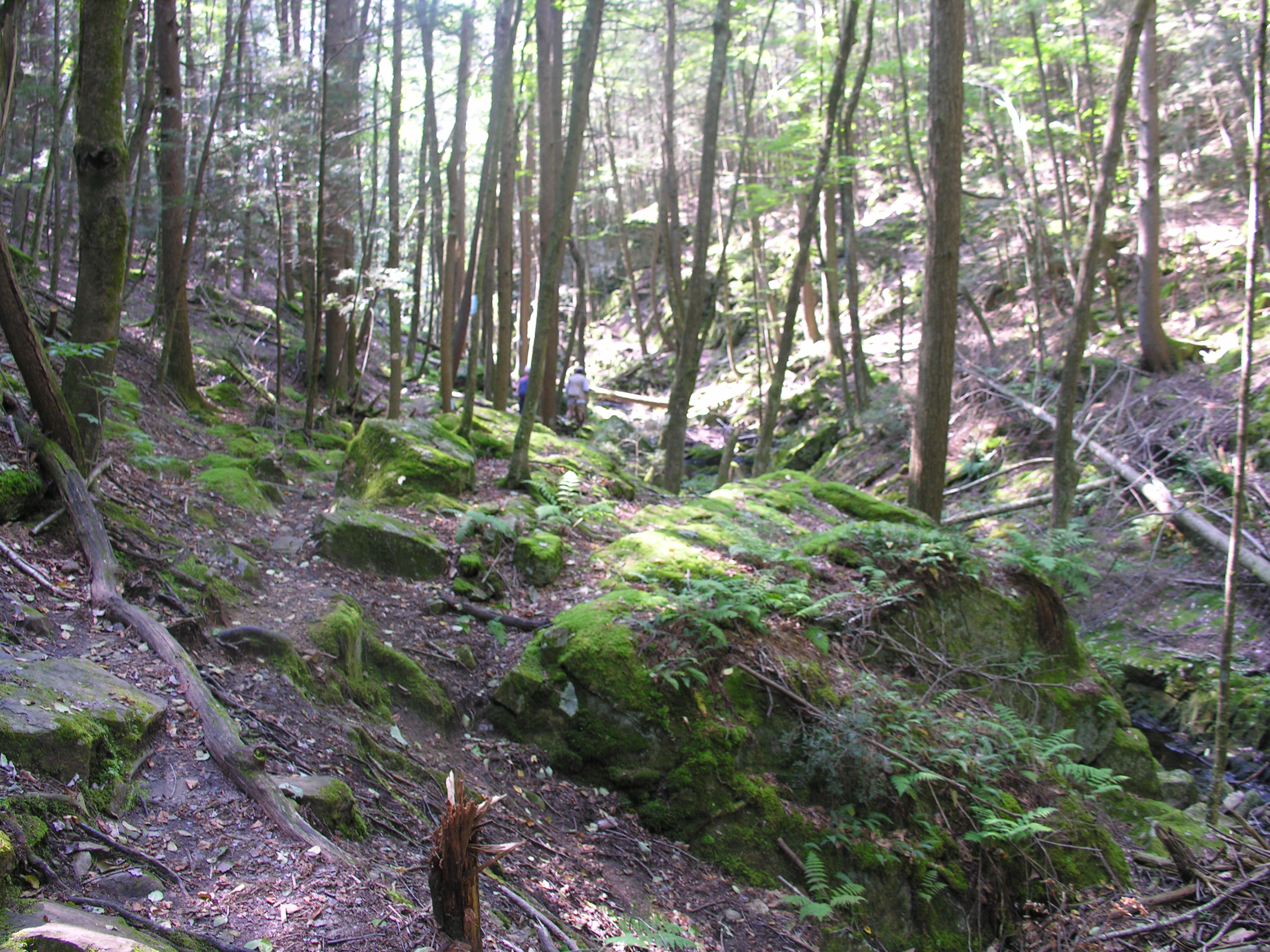
Here’s another view of the dramatic gorge, bathed in clear autumn light. Look for the hikers in the center of the photo to get an idea of the scale of the rocks and the trees.

This is one of my absolute favorite local hikes: Green Falls. There’s hardly a dull moment. There are rocks to scramble over, the remains of an old peg mill, and a lovely pond. Actually, there is one sort of  dull moment  at the very end, when you have to walk about a mile on a dirt road to get back to your car. It’s totally worth it, though.

What’s left of the old mill.

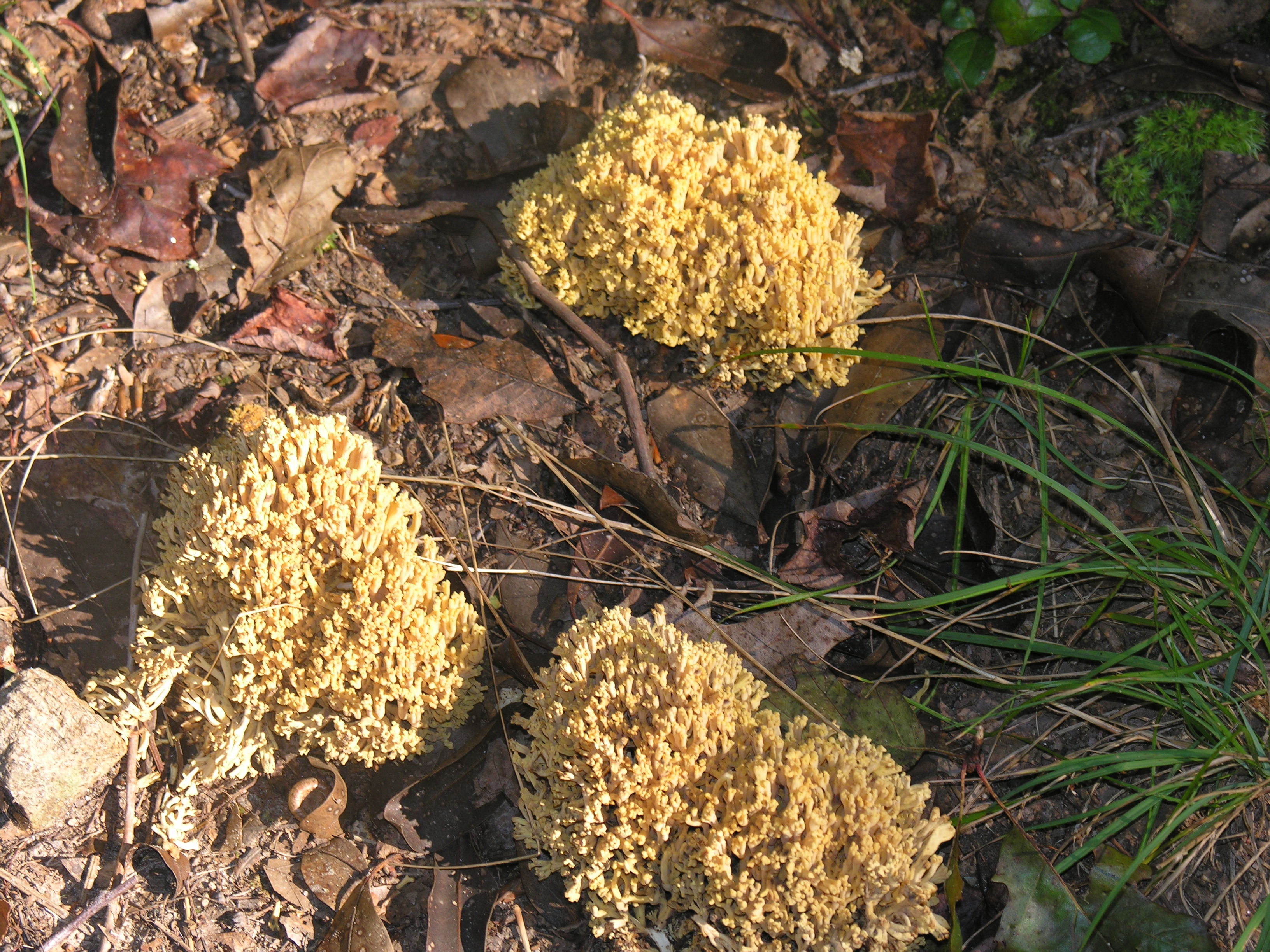
Some beautiful coral fungus. Aptly named.

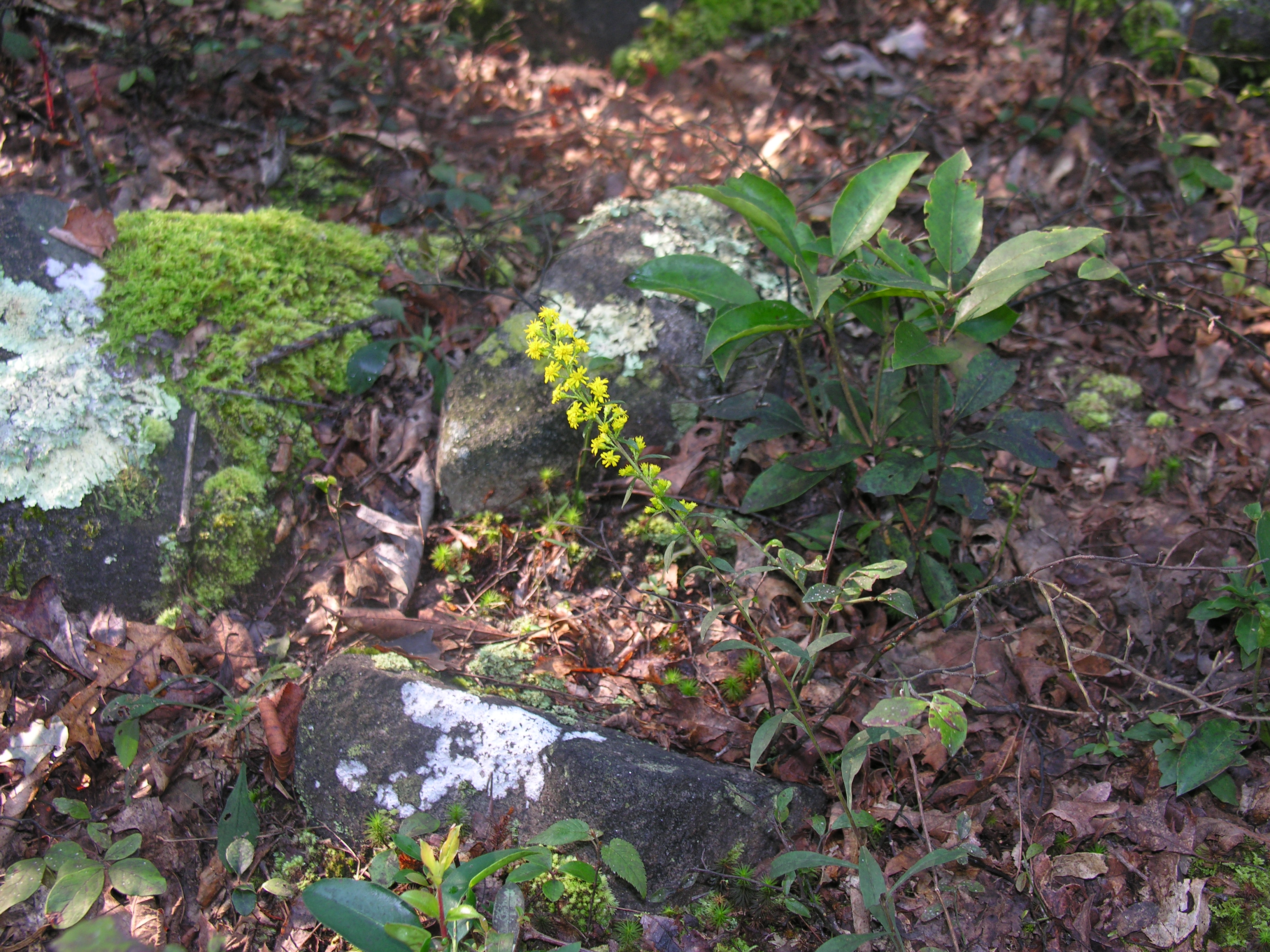
A lovely, small goldenrod.

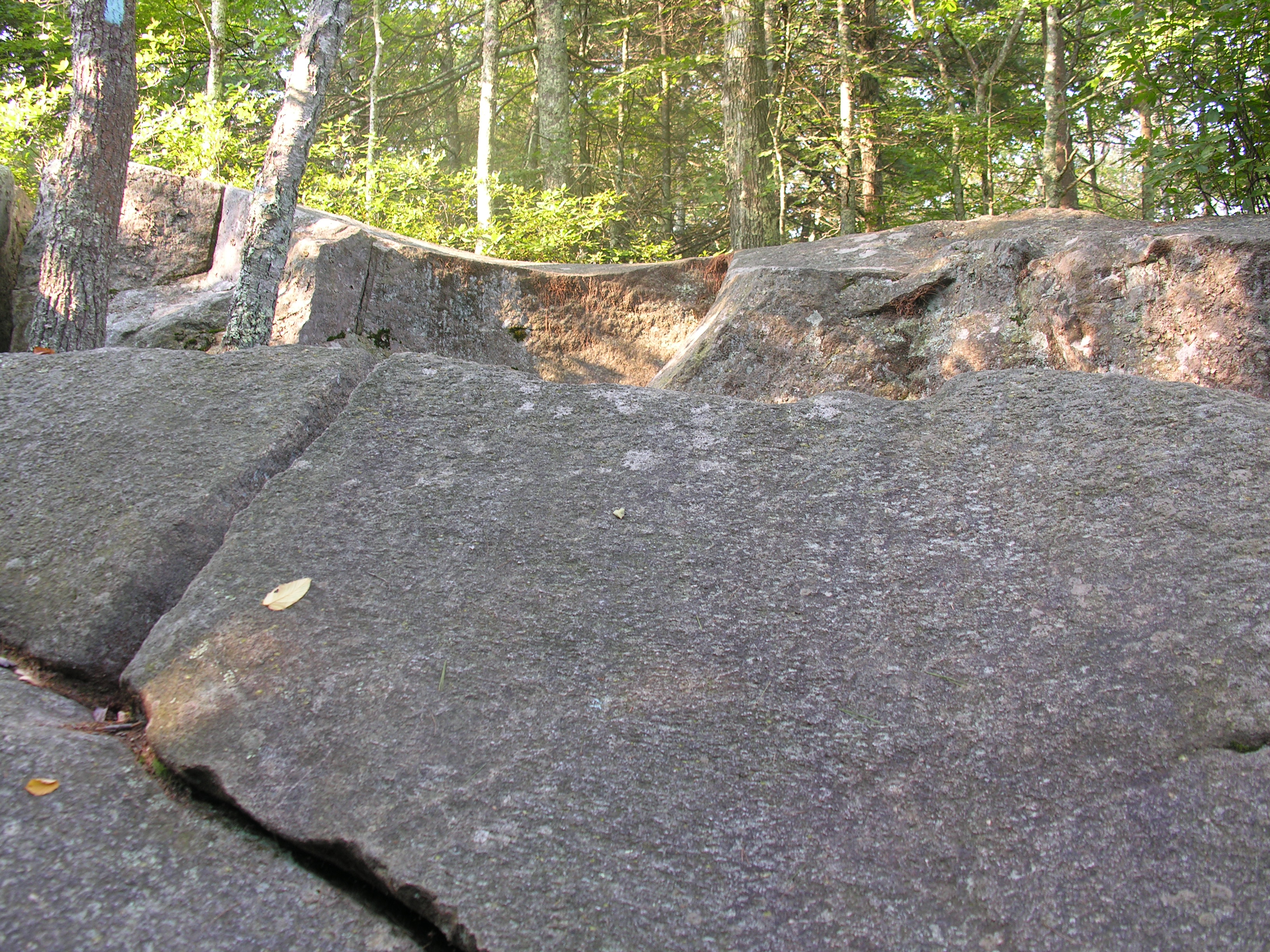
Some of the rocks required scrambling to climb over. They were smooth, and still felt warm.

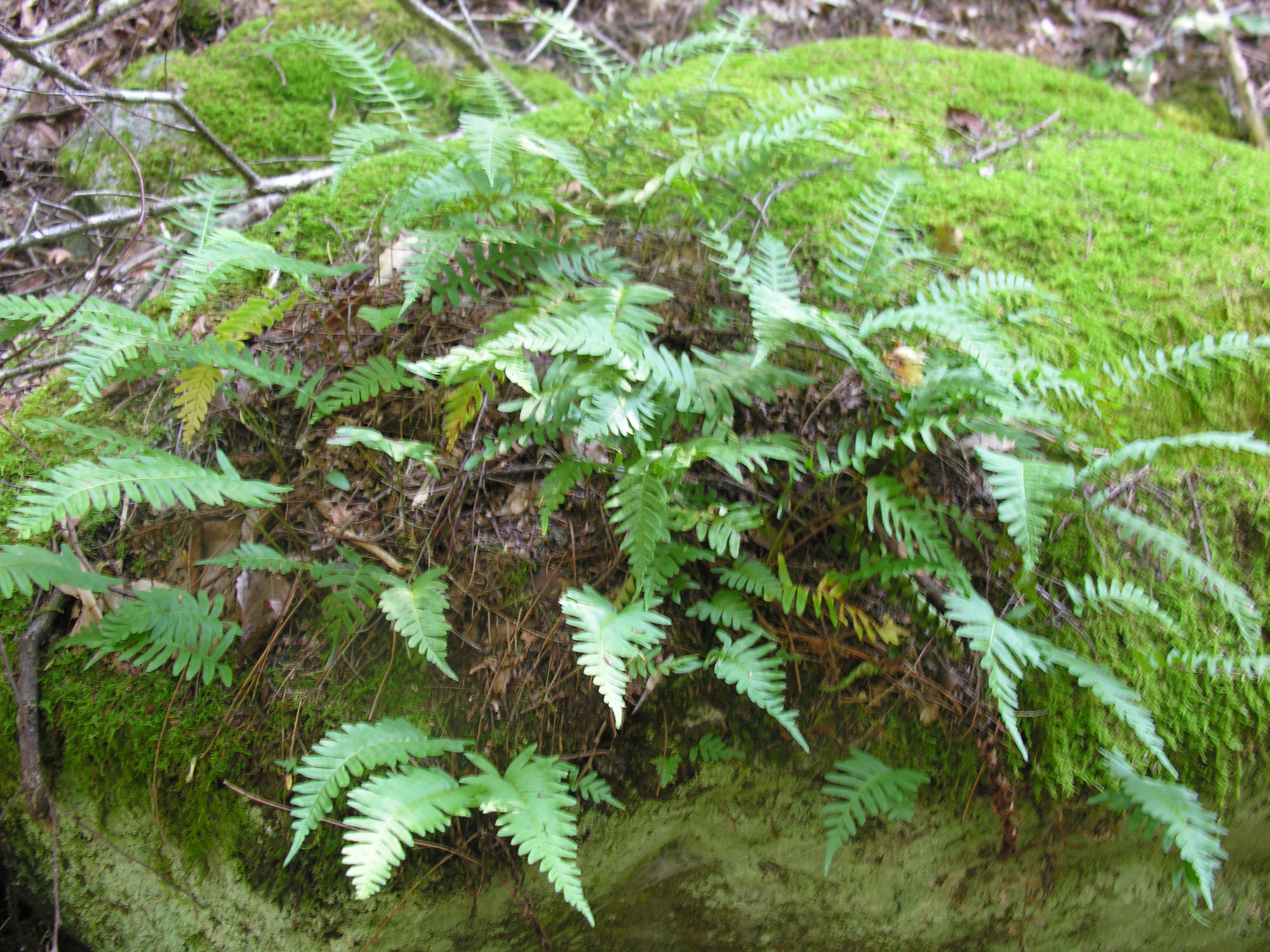
The ferns growing out of the rocks still looked healthy despite the lateness of the season.

This pond is another highlight of the hike. It’s very quiet and serene. We usually stop here for a snack.

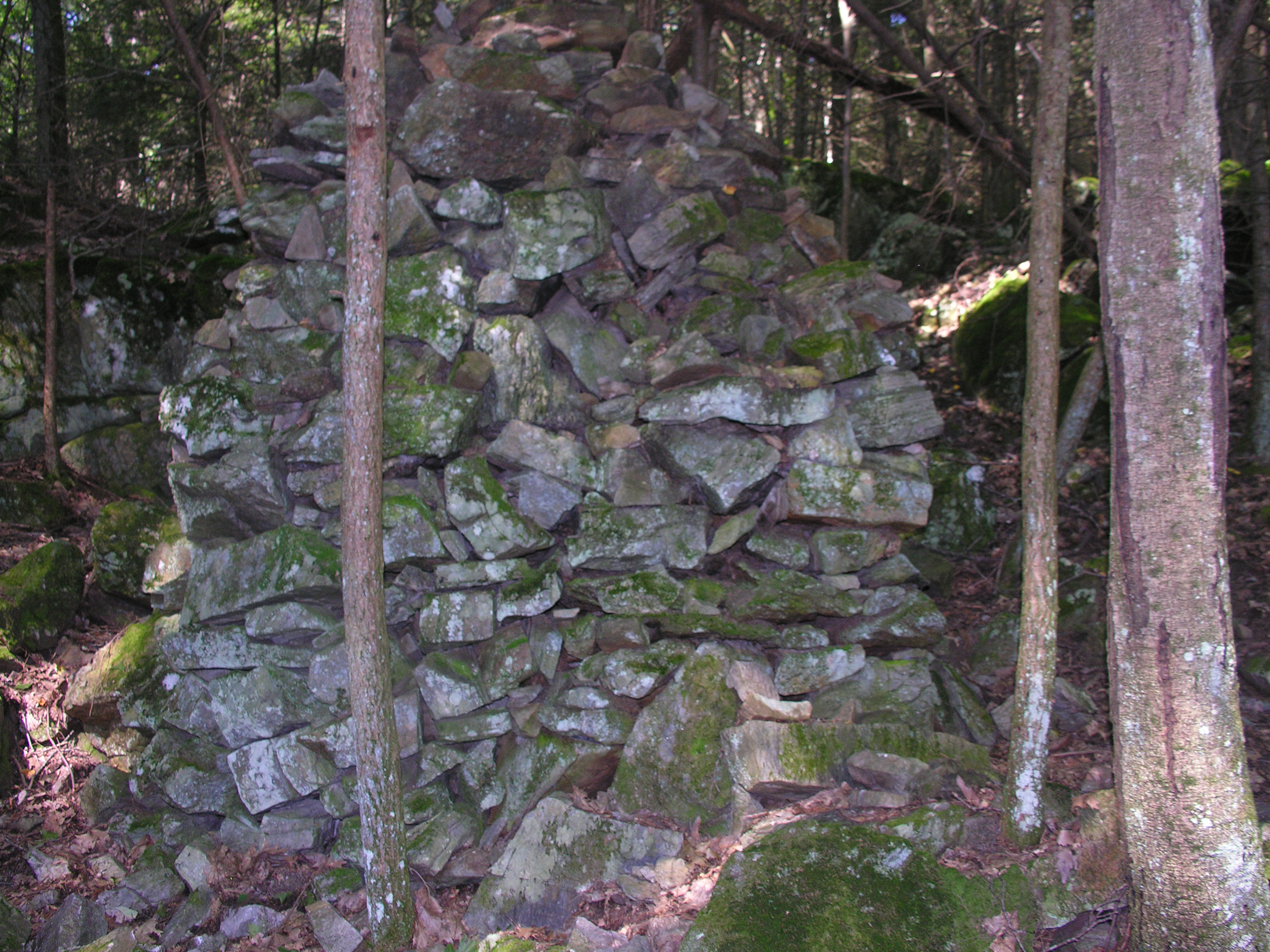
A very large and mysterious cairn in a shady spot at the end of the gorge. No one knows who built it or why.

This hike takes about three hours. We’ve done it in every season and it never disappoints.  It’s a great escape from the traditional “New England” landscape we see every day.

Posted in Uncategorized | 6 Comments

Bon Voyage

Photo: Wikimedia

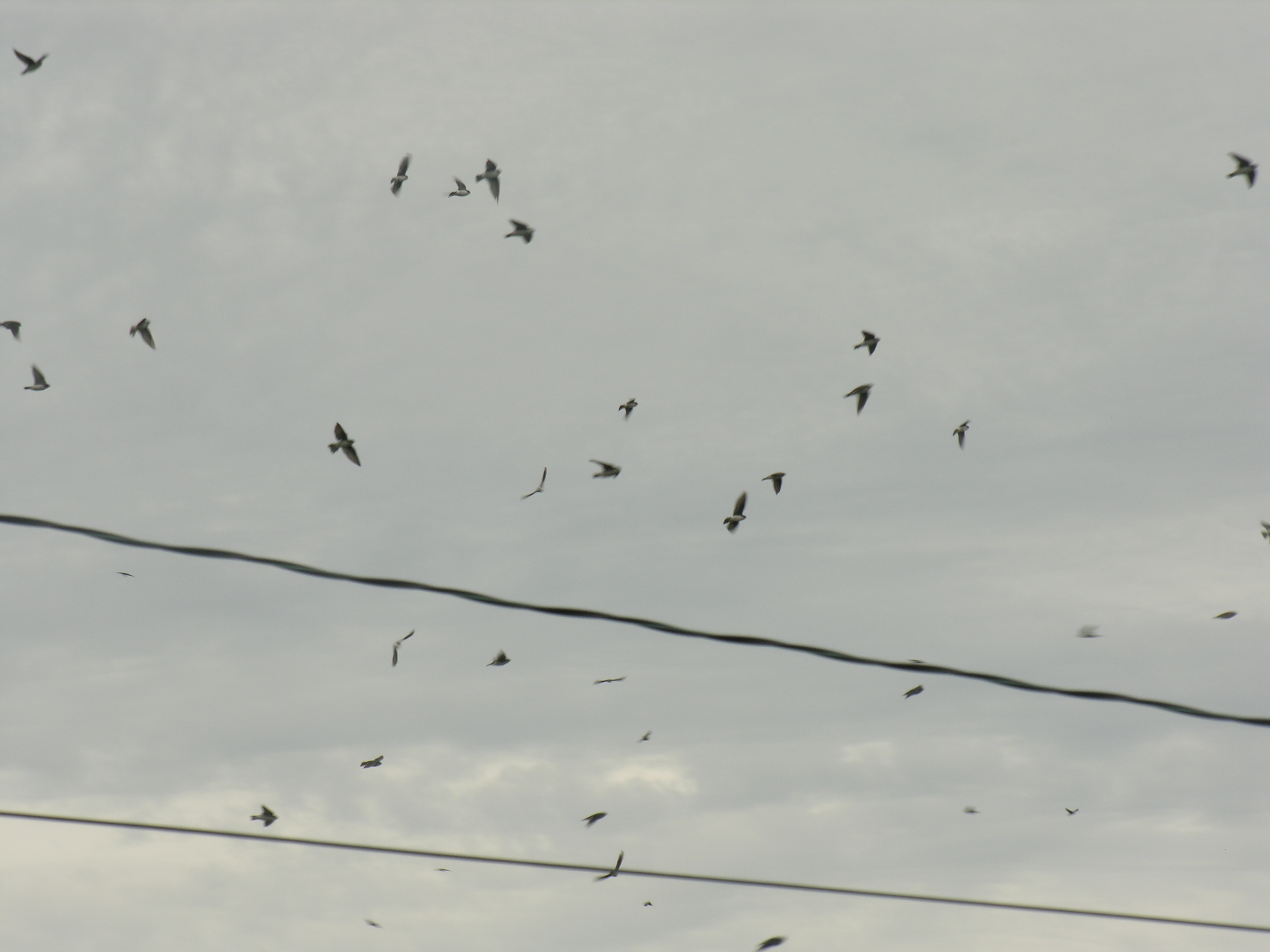
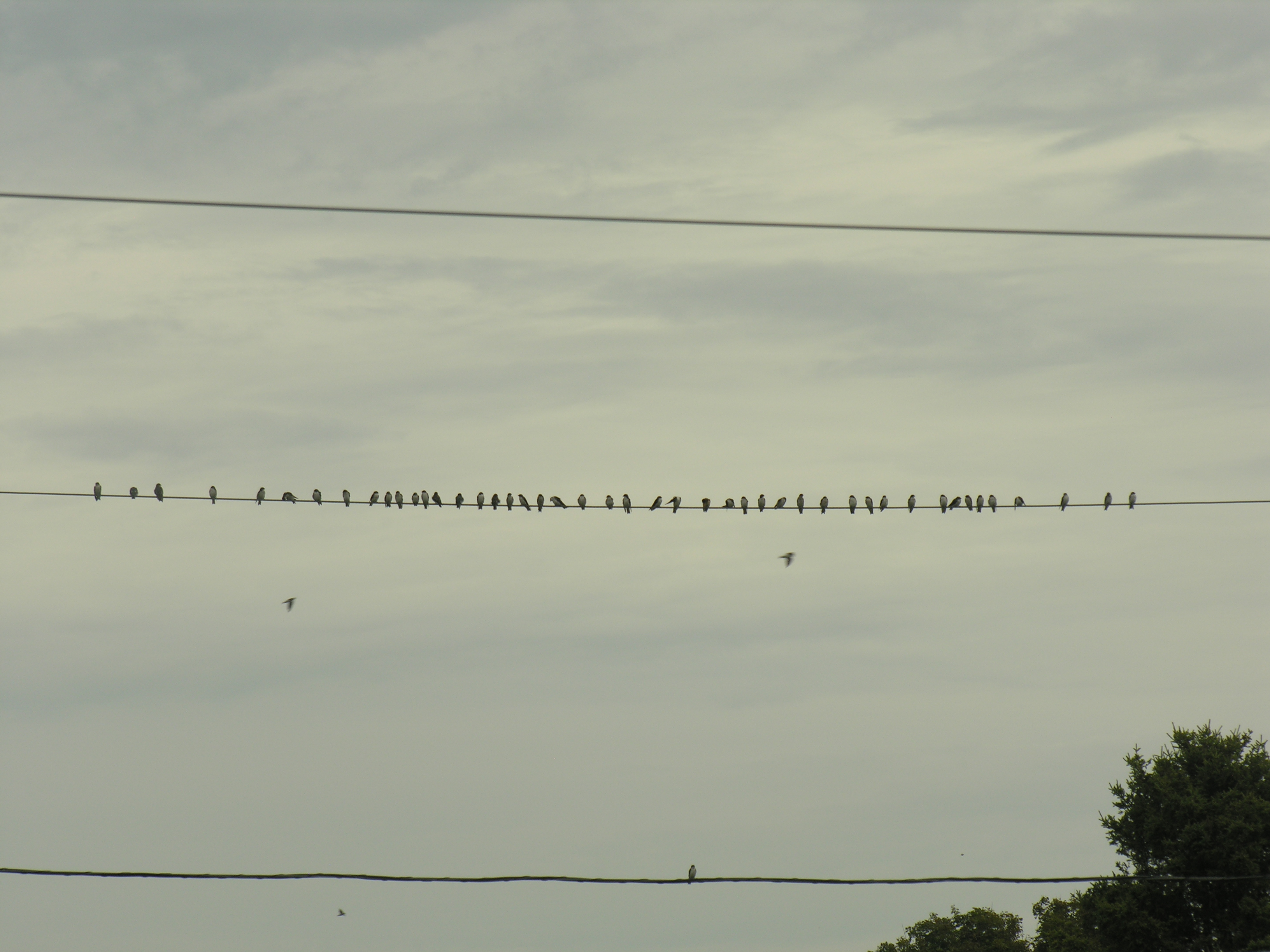
I was working diligently at my kitchen table this afternoon and the tree swallows I thought had already departed for southern climes descended on our neighborhood. I watched them for a few minutes  as they demonstrated their excellent flying skills. Then I couldn’t stand it anymore and got up to get my camera.

At this time of year, tree swallows – Tachycineta bicolor – congregate in the thousands before taking the extraordinary leap of faith of migration. They spend their summers near water, and I believe some of them are using a neighbor’s purple martin nesting colony set-up. I watched last summer  as they brought their young to perch on our wires and learn the amazing moves they need to catch their insect meals on the wing.

And now they are “staging,” gathering before they fly down to Central America where they will spend the winter. Before they leave, though, they’re taking a short breather on some nearby wires. I always find it interesting how quiet their calls are, so soft and low key compared to the raucous flocks of starlings.

I stood outside for a while making pathetic attempts to capture the numbers of these birds in flight, but I – and the camera – are just too slow. They’re gone now, anyway.

Posted in Uncategorized | 9 Comments

A Giant in the Meadow

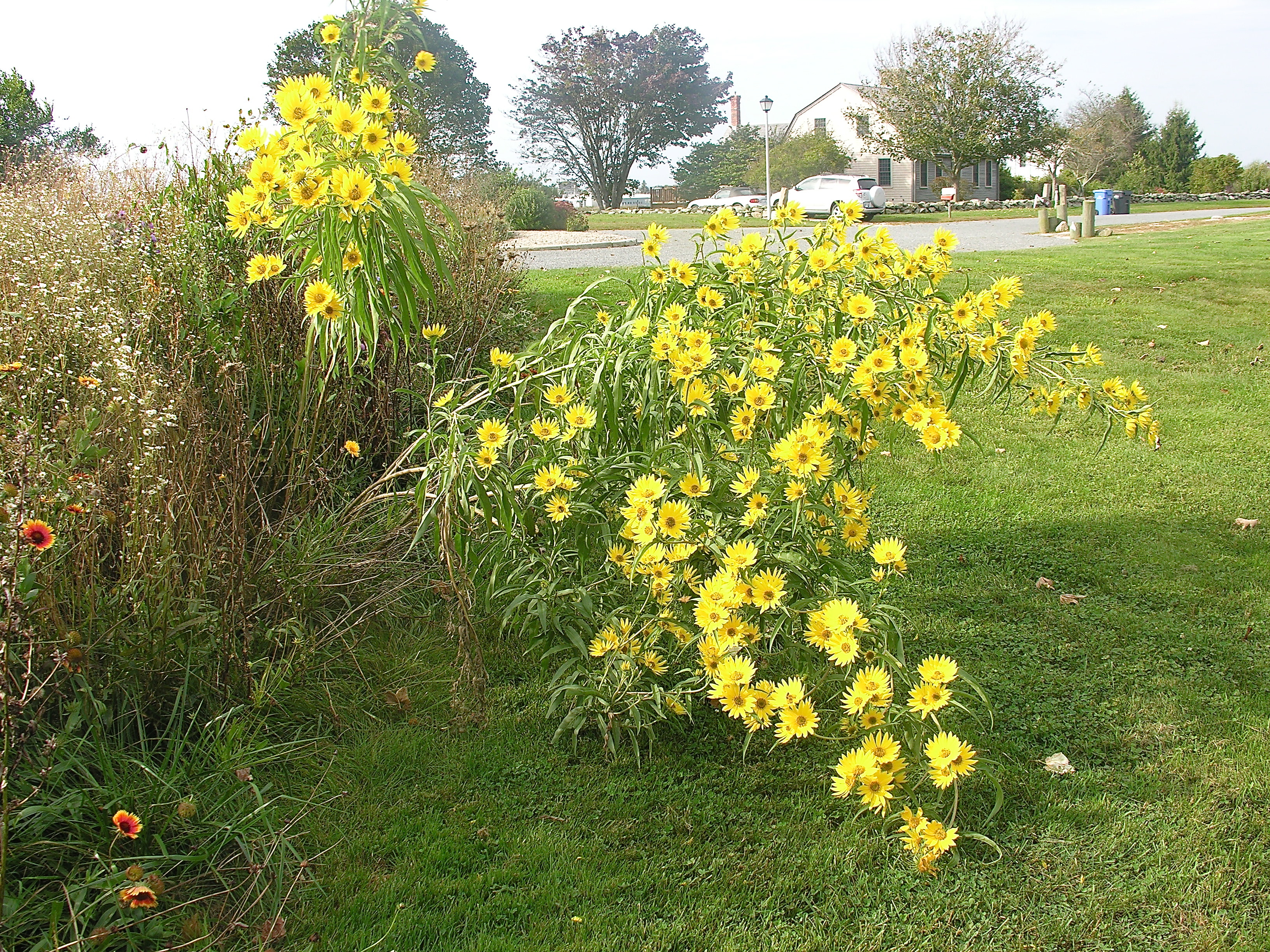
Here’s the neighbor’s wildflower meadow right now. Feast your eyes on the huge perennial sunflower flopping over into someone else’s yard. They don’t seem to mind.

This plant is helianthus giganteus, and giganteus it most certainly is. I have tried to convey this in the photos, but in case you can’t tell,  it is close to 20 feet tall!

Not surprisingly, the flowers are alive with pollinators enjoying the late season bonus.  This would make a stunning hedge – if you had a lot of room.

Posted in Uncategorized | 1 Comment

Right Pepper, Right Place

“right plant right place.” it’s a mantra for landscape designers and ornamental gardeners. failure to place a plant in a suitable spot can result in higher maintenance, excessive watering, and a general failure to thrive. the wrong plant can be one that is much more prone to native insect species, or one that isn’t disease resistant or reliably hardy. or simply a plant that prefers shade planted in the sun, or vice versa.

all that said, this is usually not a concern for vegetable gardeners. for example, i know heirloom tomatoes like cherokee purple and speckled roman are more susceptible to pests and disease, but i plant them anyway, because i love the flavor. and i plant so many tomato plants that by this time of year i’m almost relieved when my more delicate varieties start to give up the ghost. if you have the room, as i do, you can easily make up for the shortcomings of some varieties by just planting more.

however, for some reason the bell pepper variety “california wonder” has become the standard plant for new england gardens, and i’m beginning to wonder why. i’ve grown this variety for years, simply, i think, out of inertia. i spend so much time picking just the right tomato varieties that i don’t have the bandwidth to worry about the pepper plants, and i just grab the easiest, most common seed to start. and i’ve always wondered what i’m doing wrong… why i never get ripe peppers till practically first frost in october. i’ve scoured pepper growing websites and vegetable guides for pepper-growing tips and tricks, all to no avail. i still wind up every year with 3 or 4 ripe peppers, if i’m lucky, by october.

well, this year i decided it was time to rethink that whole approach. i scoured the totally tomatoes catalog (who, contrary to their name, carries lots of great pepper varieties) for any bell pepper variety that was labelled “early.”

i wound up buying four peppers: early sunsation hybrid, north star hybrid, chablis hybrid, and king arthur hybrid.

left to right: chablis, early sunsation, north star

left to right: chablis, early sunsation, north star

eureka! i’ve been picking ripe peppers since july. i picked one gigantic yellow pepper from the early sunsation plant last month that had to have weighed 2 pounds. the chablis has been producing peppers since june. suffice it to say i’m never going back to planting california wonder.

just goes to show you that the expression “right plant right place” belongs in the vegetable gardener’s lexicon too.

UPDATE: great minds think alike. this is a photo from a fellow garden club member, who also looked for early peppers. this is a variety called “big early.”

big early

big early

Posted in Uncategorized | 3 Comments

Very Hot

I love cutting flowers in my garden and bringing them indoors. I also enjoy experimenting with different colors and textures.

The above photo is an example of what I think is a most fortuitous combination. It’s just two flowers: Tithonia “torch” and Rudbeckia “Henry Eilers.”

Tithonia is a terrific annual, but it has a serious flaw: its stems are soft and fragile. In fact, I cut the blooms in this bouquet because we were expecting a heavy rain storm later, and I knew it would take a beating and get all mushy. I also chose a short, round glass bowl to keep the stems from getting all floppy.

As for “Henry Eilers,” I can’t say enough about this hardy perennial. It looks great in the border – yellow but a paler shade than the usual rudbeckias – and with those narrow, spidery (sorry, A.B.) petals, it adds interest and sophistication to any arrangement.

When I put the two together, it was a definite “wow.” I just had to share it with you.

Posted in Uncategorized | 7 Comments

Drama in the Garden

Warning to Auntie Beak and other arachnophobes: this post is about spiders.

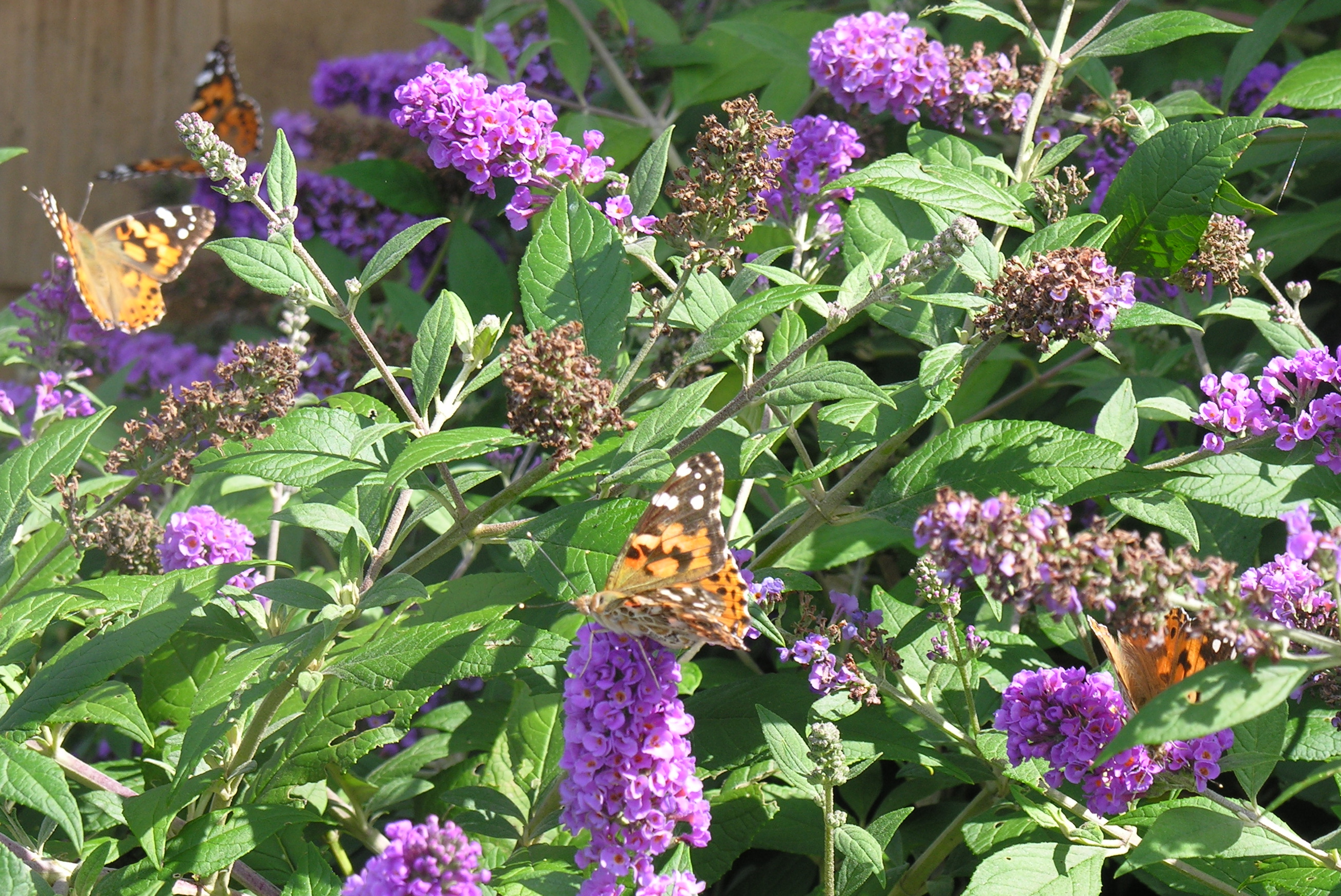
I had an unusually high number of butterflies in my garden recently. They were mostly “American Painted Ladies.” Of course we also had, and continue to have monarchs and the occasional lingering tiger swallowtail.

I think I can attribute the increase in butterfly action at least partly to the plants in my garden.  I try to plant with pollinators – bees, butterflies and hummingbirds – in mind.

Tithonia “Torch” (Mexican sunflower) is a favorite, as are helenium (Sneeze weed) eupatorium (Joe Pye weed) and verbena bonariensis. They went really crazy for the two  “Blue Chip” buddleias I planted last year. They absolutely covered the bushes.

Here’s the dramatic part:

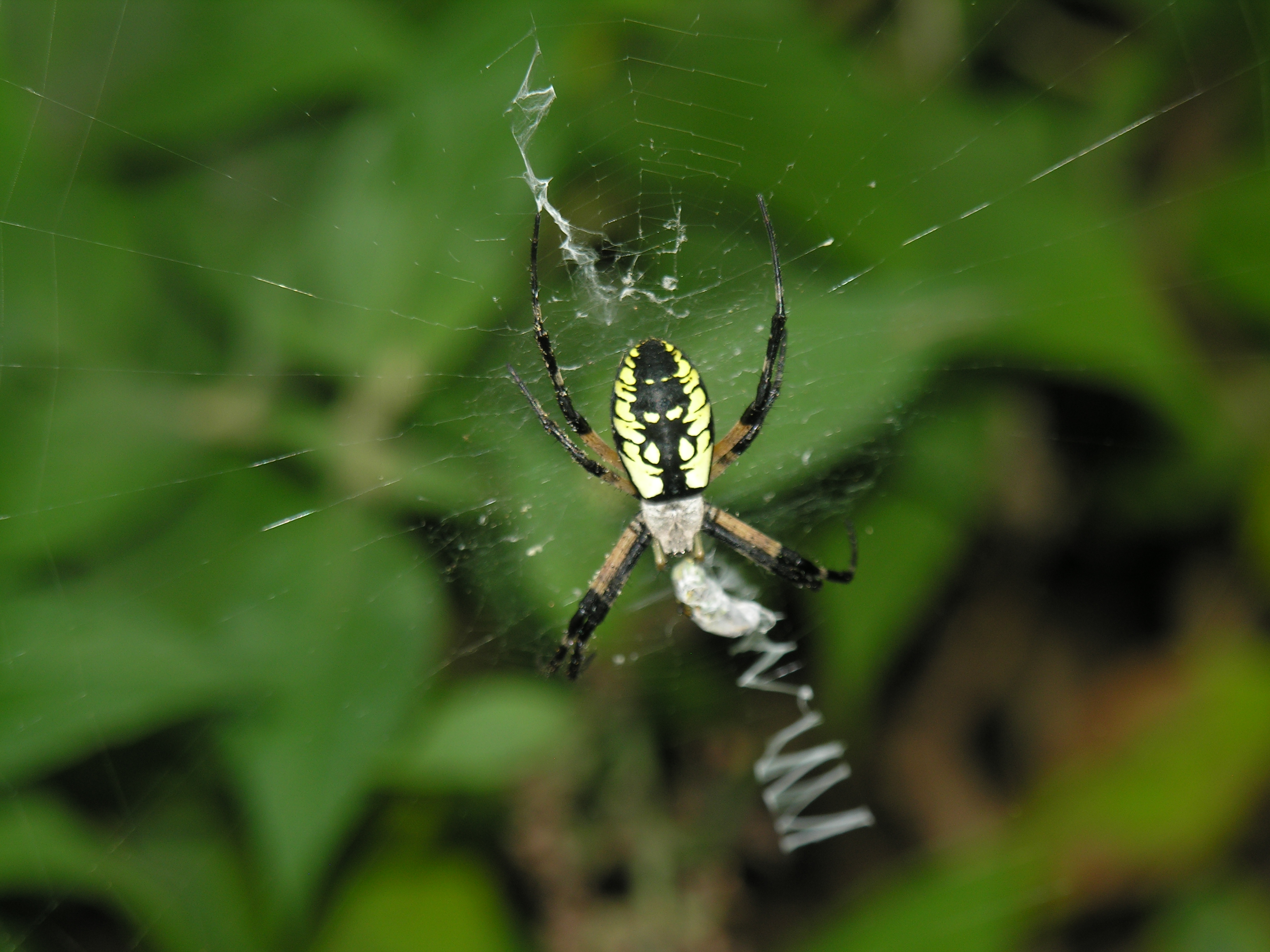
A large “Argiope Aurantia” or “Black and Yellow Garden Spider” built a web near the base of one of the buddlieas, and trapped and ate several butterflies and at least one bee. I had to take down its web to get through to the hummingbird feeders, but I didn’t try to harm the spider.

I don’t think it is up to us to decide which wild things are “nice” or “mean,” and it annoys the heck out of me when other people do.

I was hoping that the destruction of its web would send the spider somewhere else, solving my ethical dilemma, but when I went back out a mere half  hour later, the darned thing was rebuilt. It wasn’t as showy as the original, but it was functional, and the spider was busy devouring a bee. There was another silk-wrapped meal (dessert perhaps?)  waiting,  the remains of a painted lady.

After reading more about garden spiders and the potential for hummingbirds becoming trapped in their webs and dying, (!!!!) I scooped up the spider in a kitchen strainer and gently deposited it in another part of the garden, far from the hummingbird feeders. The next day, I saw that it had built a new web on one of the hydrangeas.

The painted ladies have moved on. Apparently there was an irruption of them in our part of the country this year. It was cool while it lasted. The hummingbirds left all at once one night, although I am maintaining a couple of feeders for the stragglers. And the spider? No sign of it this week, not even the remnants of a web.

Posted in Uncategorized | 10 Comments

The Strange Blue Hat

HerbDoc has an interesting – and kind of funny-looking –  weapon in the fight against deer and horse flies:

(Do we gardeners hate these insects? Oh yes, we do!)

The deer flies and horseflies have been horrendous this year. We are able to contain the mosquito population with a Mosquito Magnet on our 2 acres of wooded property, but on a sunny, windless day, the deer flies and horseflies were driving us back into the house. Even big doses of insect repellent didn’t seem to work! My son who is highly allergic to the bites went on a mission to find a solution.

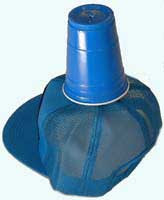
Enter Dr. Russell F. Mizell, III, a Professor of Entomology at North Florida Research and Education Center. He found that insects in the genus Chrysops (deer flies) attack people around the head, neck and shoulders and are attracted to movement and the color blue. He advocated attaching a blue drink cup covered with Tanglefoot to a baseball cap. The deer flies are attracted to the moving blue food source and stick themselves to the trap!

Having nothing to lose, my son decided to try the good doctor’s method. A blue throw-away drink cup was attached to a cap with duct tape and covered (don’t get it on your fingers!) with Tanglefoot. He wore the get-up while mowing the lawn on the riding tractor and guess what? It works!

Although Dr. Mizell said that horseflies would not be attracted, we have caught many of them in the hat trap also. It’s far from pretty, but we’ve reduced the biting population to nearly zero. Way to go, Dr. Mizell!

Posted in Uncategorized | 6 Comments

Plants of the Alpine and Sub Alpine Zones

As promised, I am ending my series of posts on the White Mountains with a look at some of the plants we encountered above and just below the tree line. We were there in late August, so we missed the prime blooming season of early summer, but there were still plants growing wherever they could survive, and a few were still flowering.

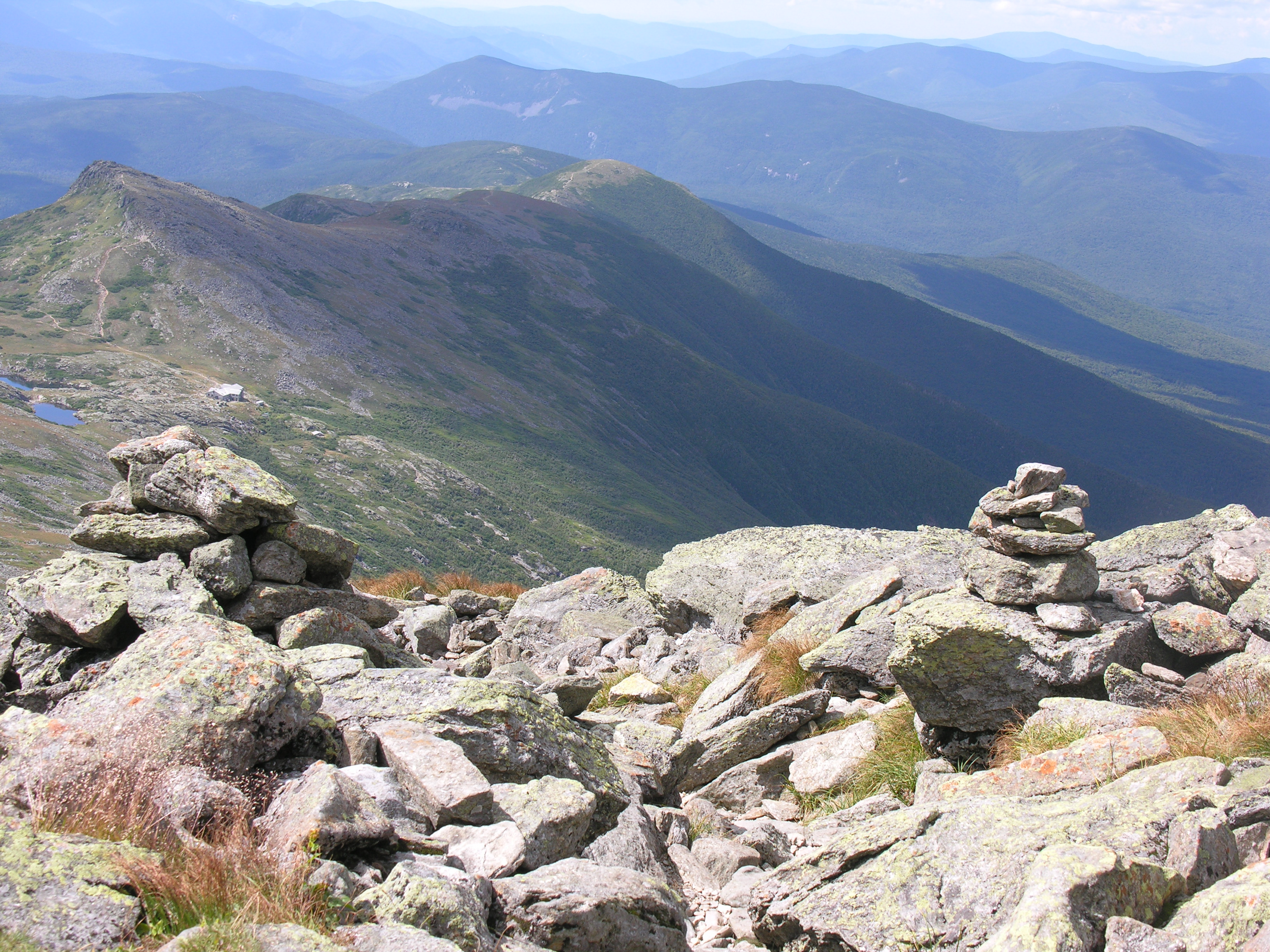
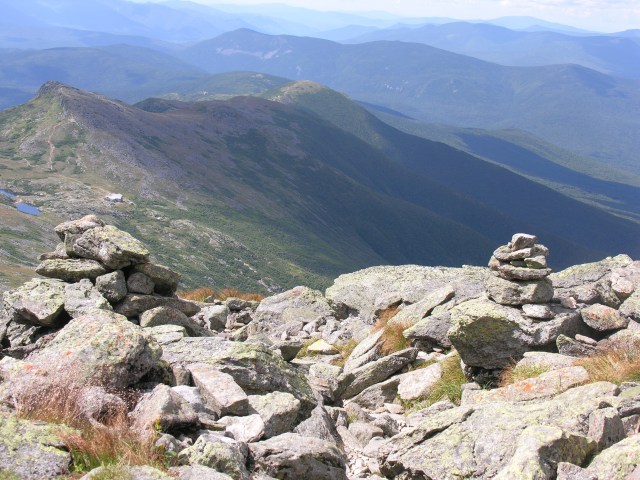
It always amazes me how plants can establish in the rockiest, gnarlyest, highest, most windswept places — like the exposed mountainside  in the top photo.
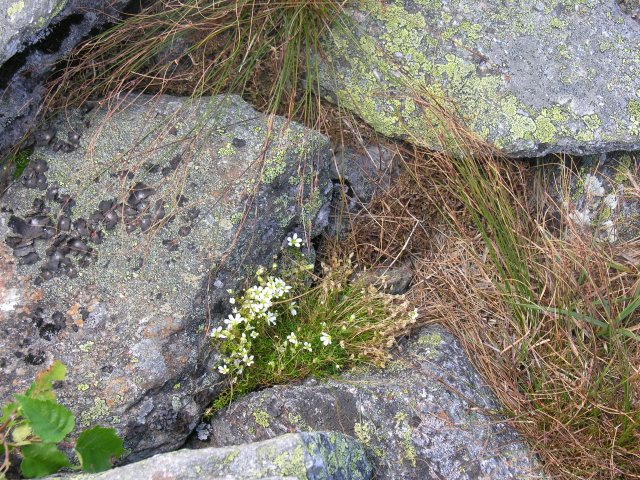
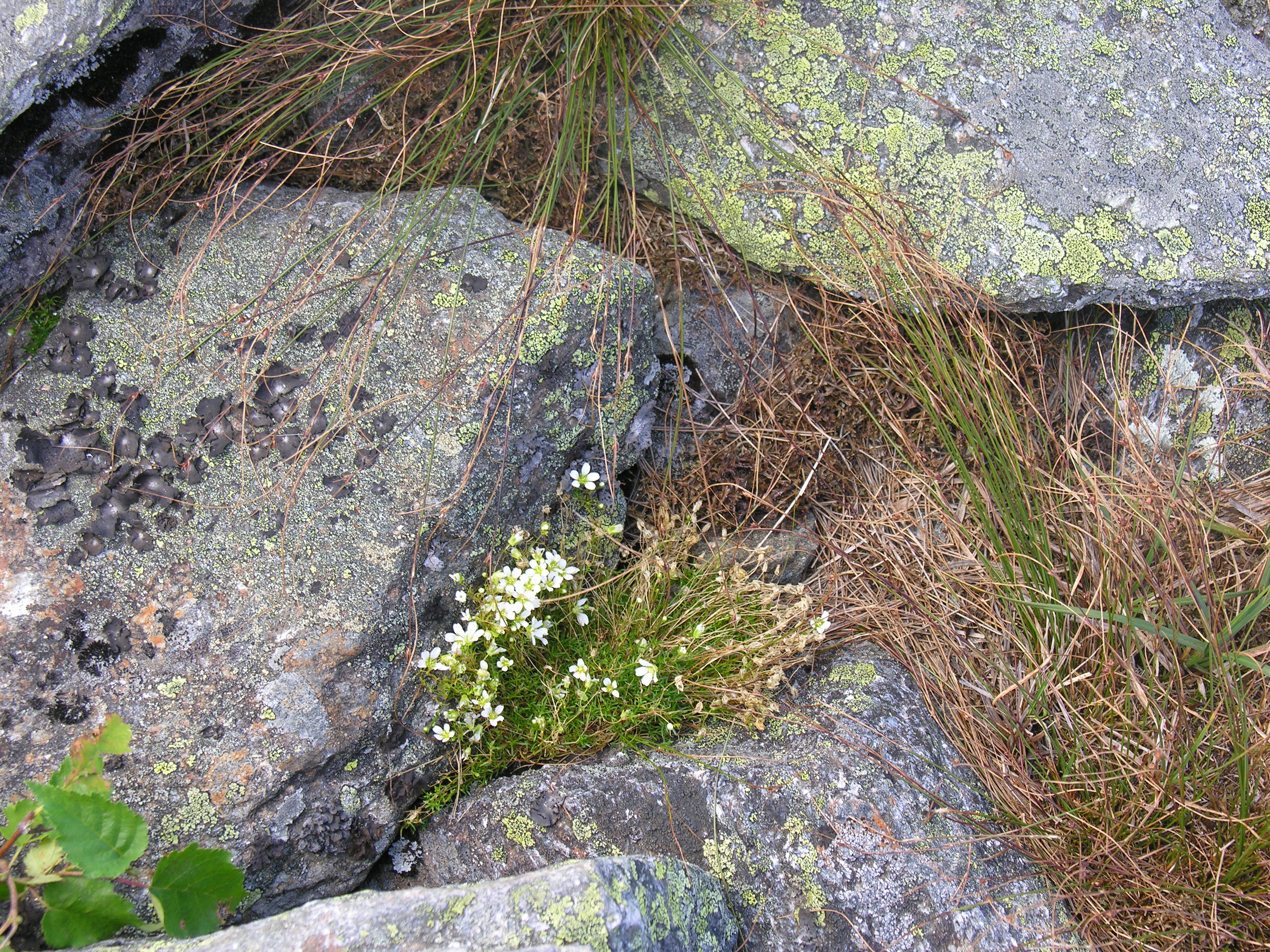
This diapensia was flowering consistently wherever we hiked above the tree line.
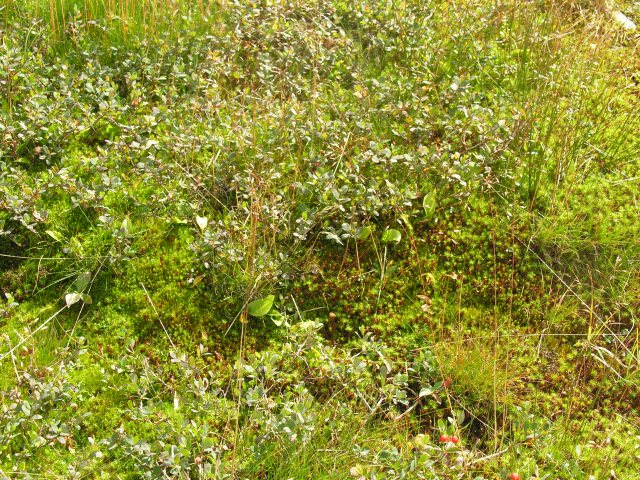
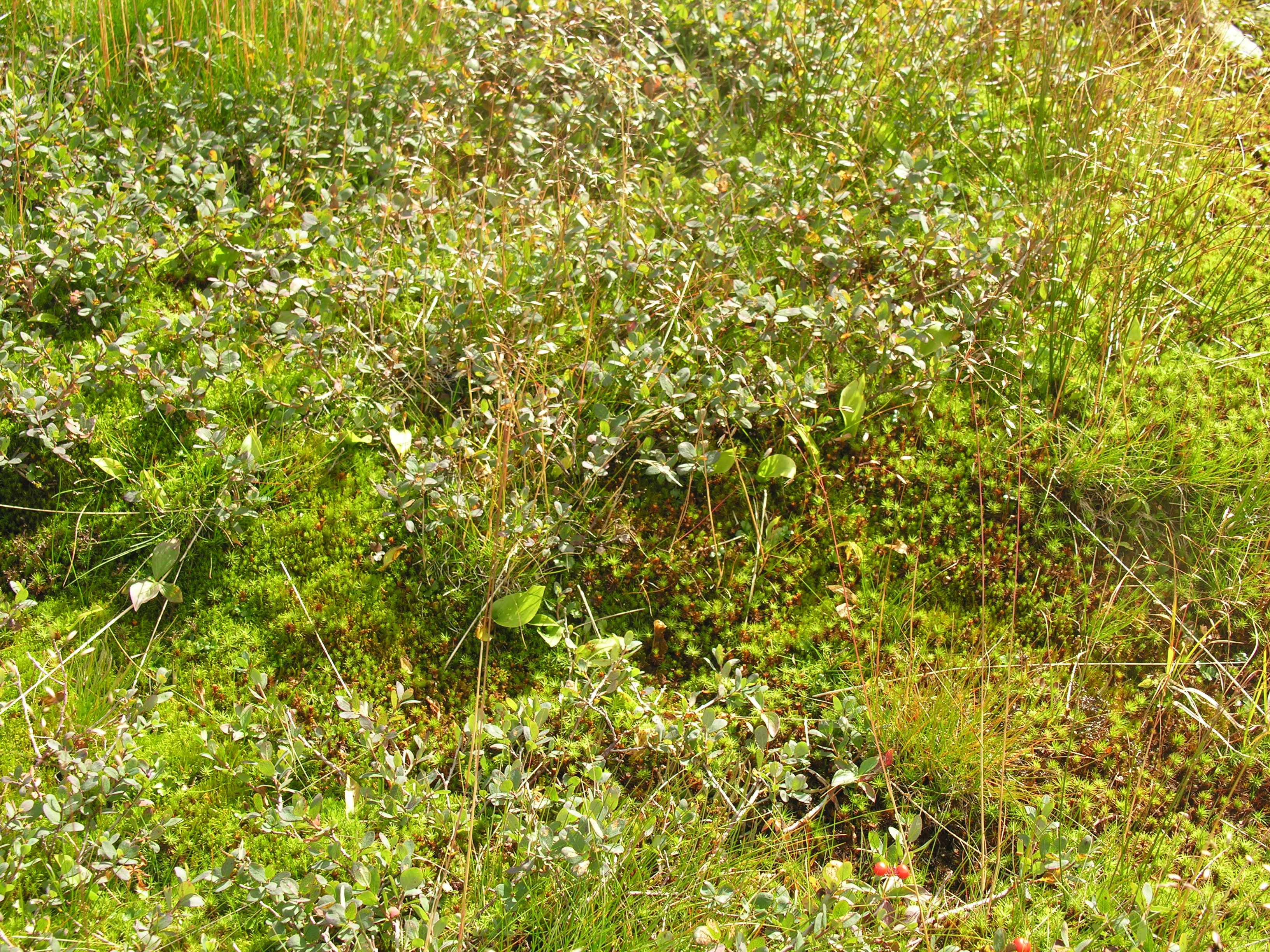
In other places, thick carpets of diverse plants, including mosses and grasses, blanket the ground.

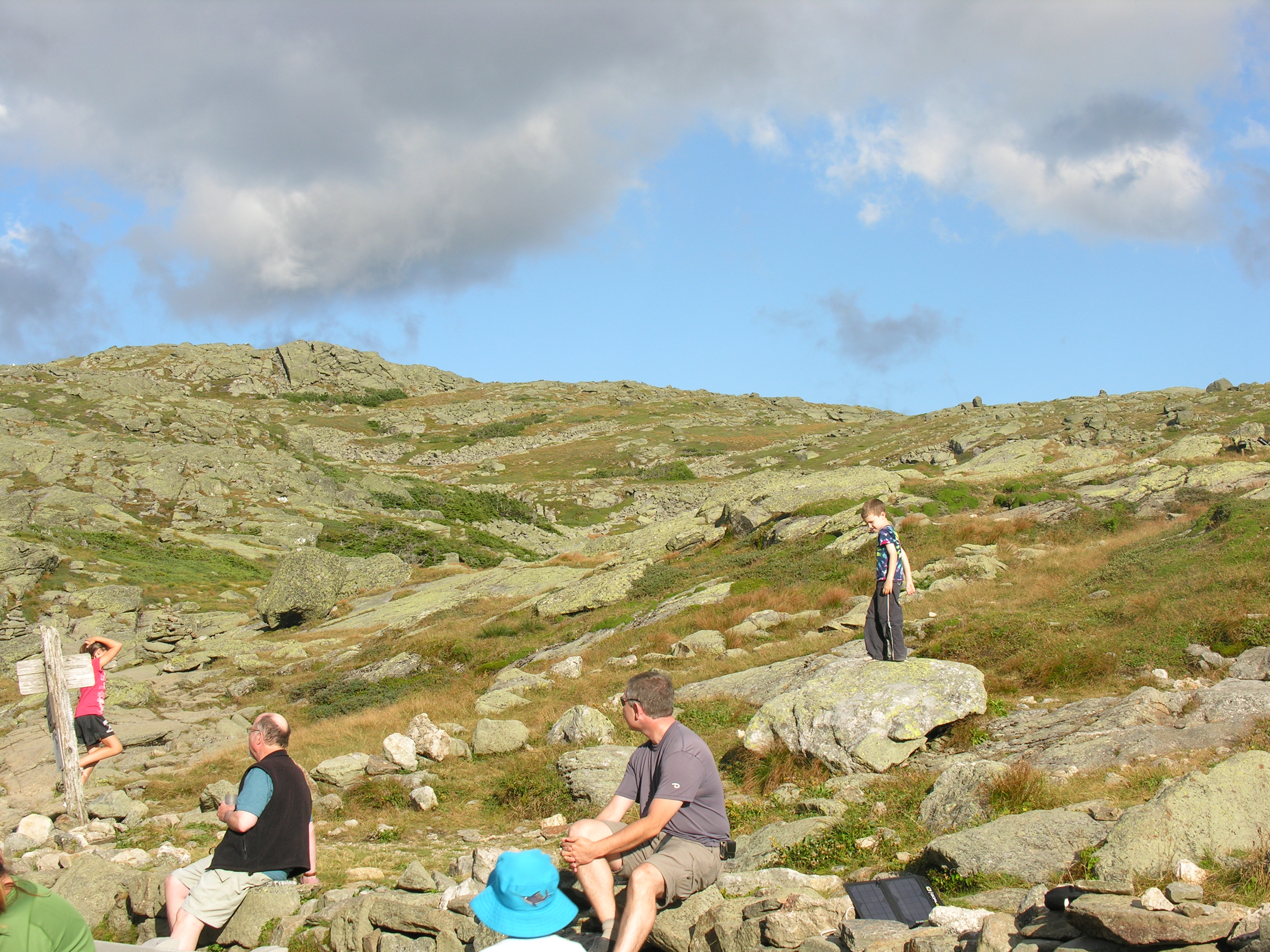
We were told that many alpine plants are decades old. It’s a fragile environment, and the Appalachian Mountain Club asks hikers – verbally and in writing –  to stay on the trails to avoid trampling and destroying what took so many years to create. But as you can see in this photo I took at the Lakes of the Clouds hut, people still walk all over areas where they shouldn’t be, crushing everything they step on. I didn’t hear or see anyone from the hut enforcing the stay-off-the-plants policy, either.

Another inconsistency: We actually saw several people smoking, and found cigarette butts on the ground outside both of the huts we stayed in. One evening after dinner, a man was smoking a big, stinky cigar just outside the hut. We were surprised this was tolerated, since you are not supposed to light any sort of flame around the huts, not to mention the incongruous stink in the clear alpine air. Yuck!

Rant over. Back to the plants:

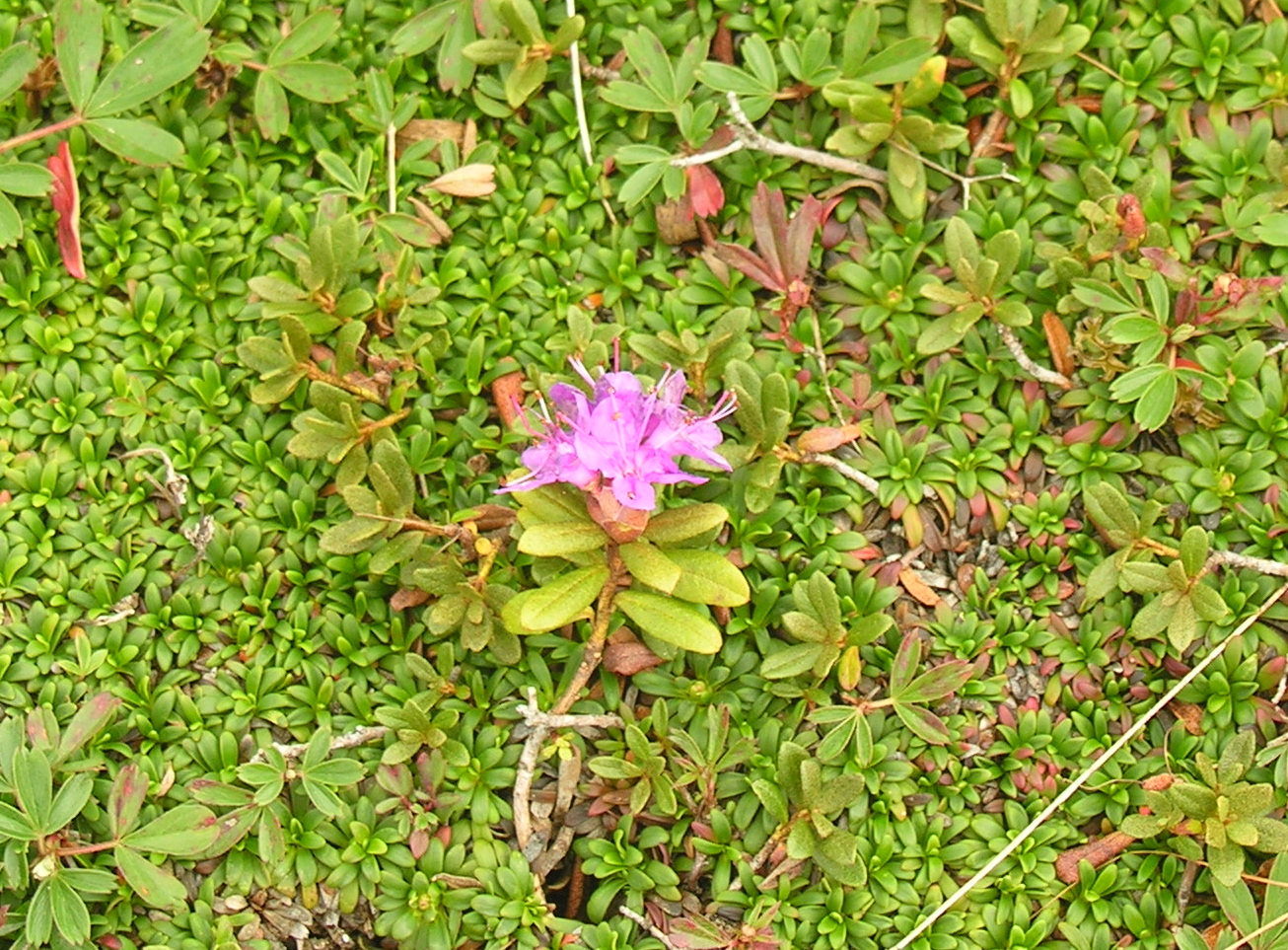
This alpine azalea was the only one of its kind we saw that was in flower. It’s only about an inch and a half tall! It looks just like the ones we grow here in Rhode Island, only much smaller – and way tougher.

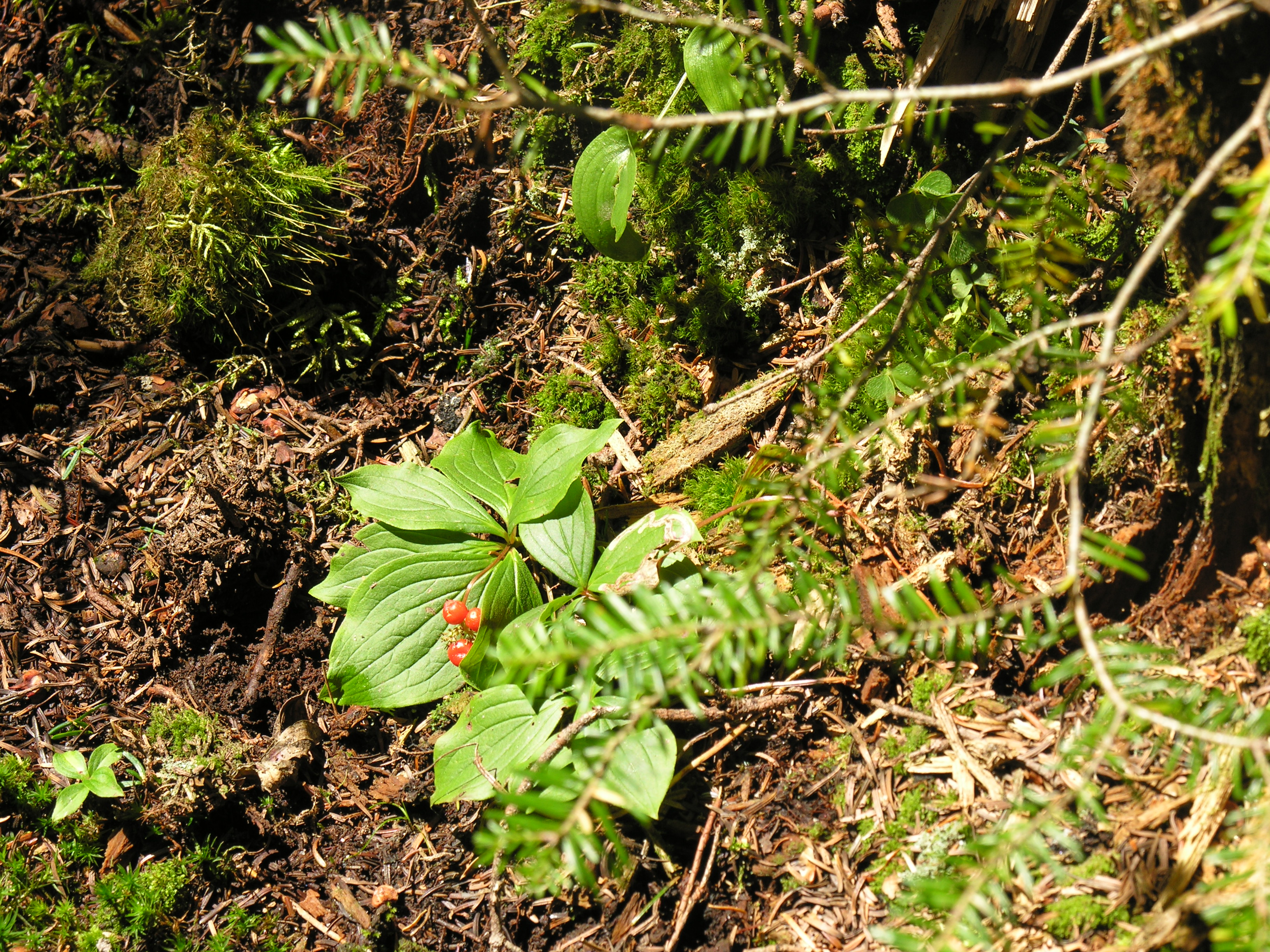
Bunchberry is also common, and the red berries are a nice contrast against the green.
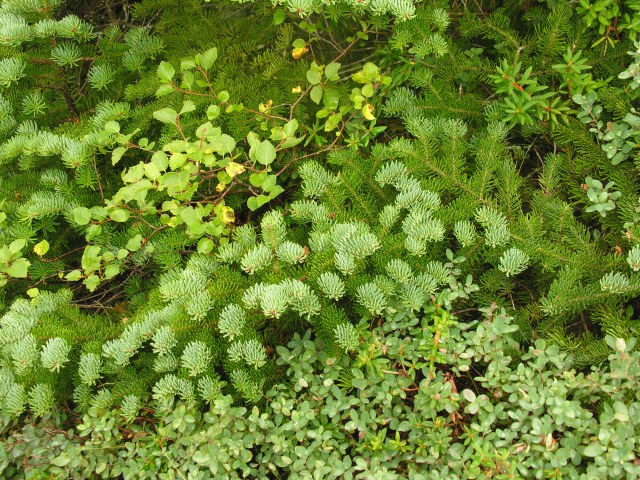
The leaves hanging down above the stocky balsam ( just a few inches tall)  belong to an equally tenacious and short birch tree – about a foot tall. I found the balsams to be very generous with their wonderful scent. We were hit with it every time we walked past them. And the air was  generally clear and sweet, although it can get hazy sometimes from all the pollution to the south.

The AMC offers many specialized tours, including a guided early summer trip to see  the alpine meadow during peak blooming season. For more information, go here.
Posted in Uncategorized | 4 Comments

Onward to Mizpah

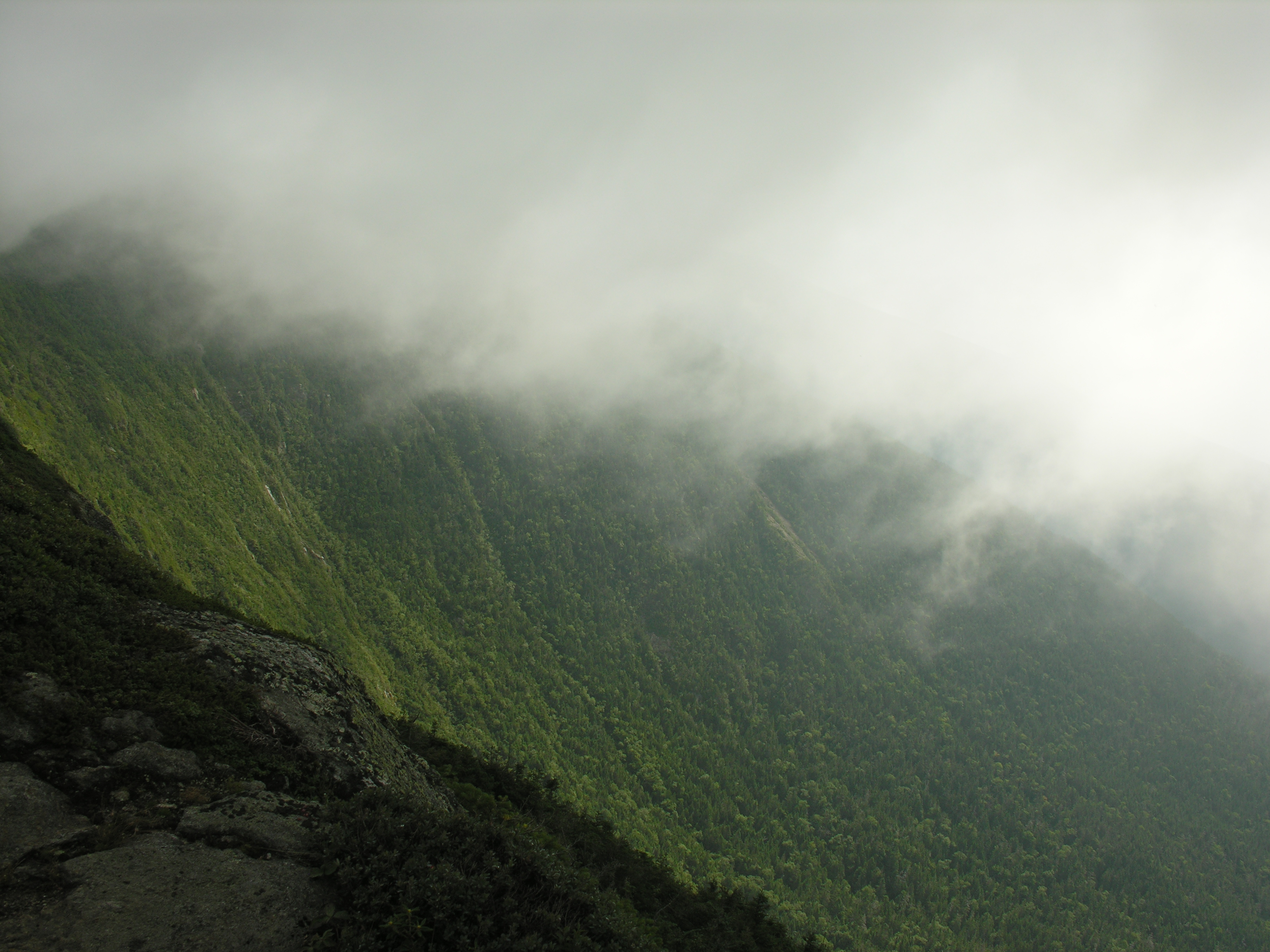
After one of the most uncomfortable,  sleepless nights I have ever experienced (long story) we set off early the next morning to hike the traverse to the Mizpah hut. Please see my previous post for Day One. As you can see in the above photo, it was foggy, but the mist lifted after a couple of hours.

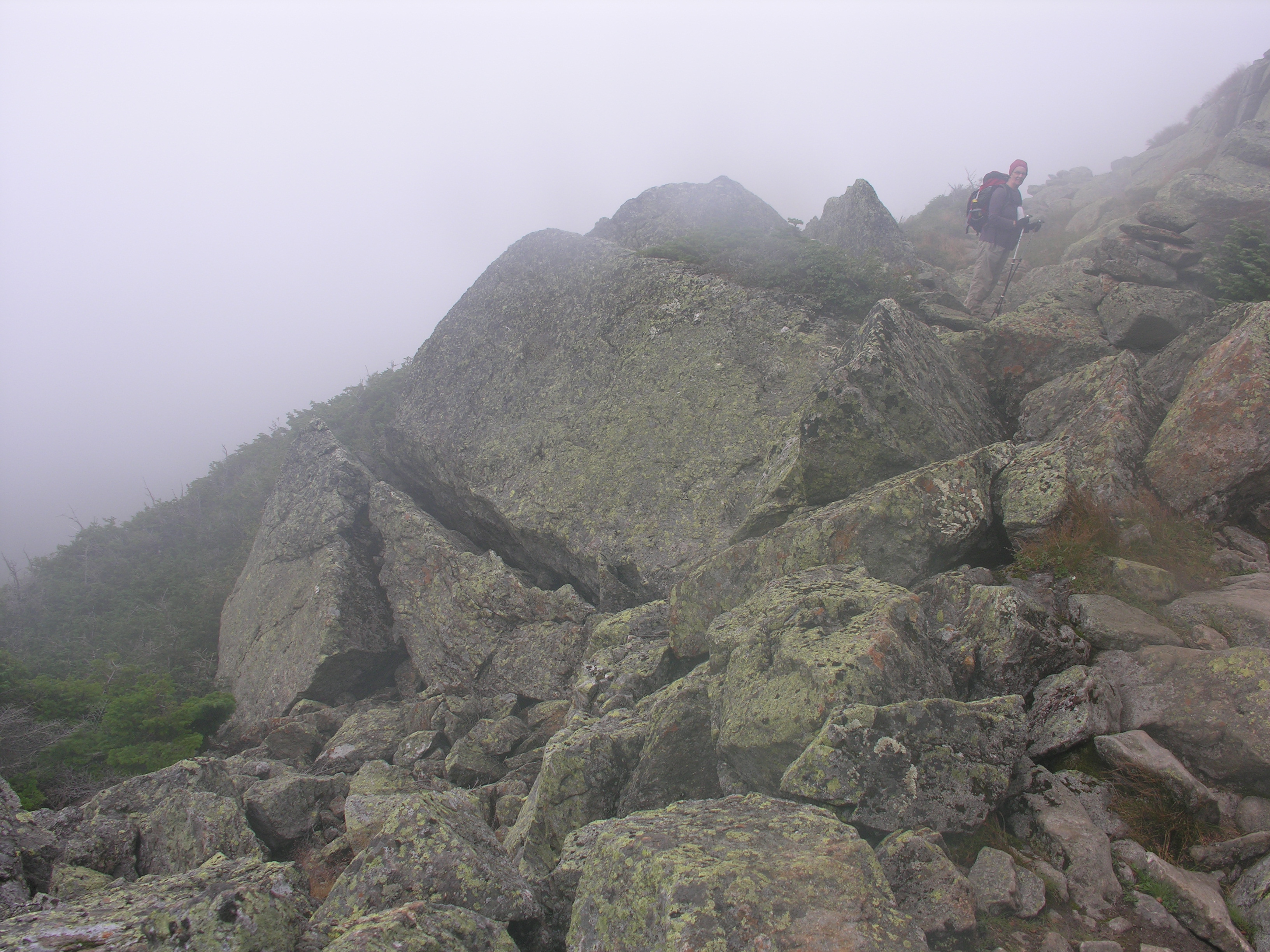
This is what the trail, the “Crawford Path,” looked like for a good part of the hike. Big gnarly boulders. No room for error. We pressed on.

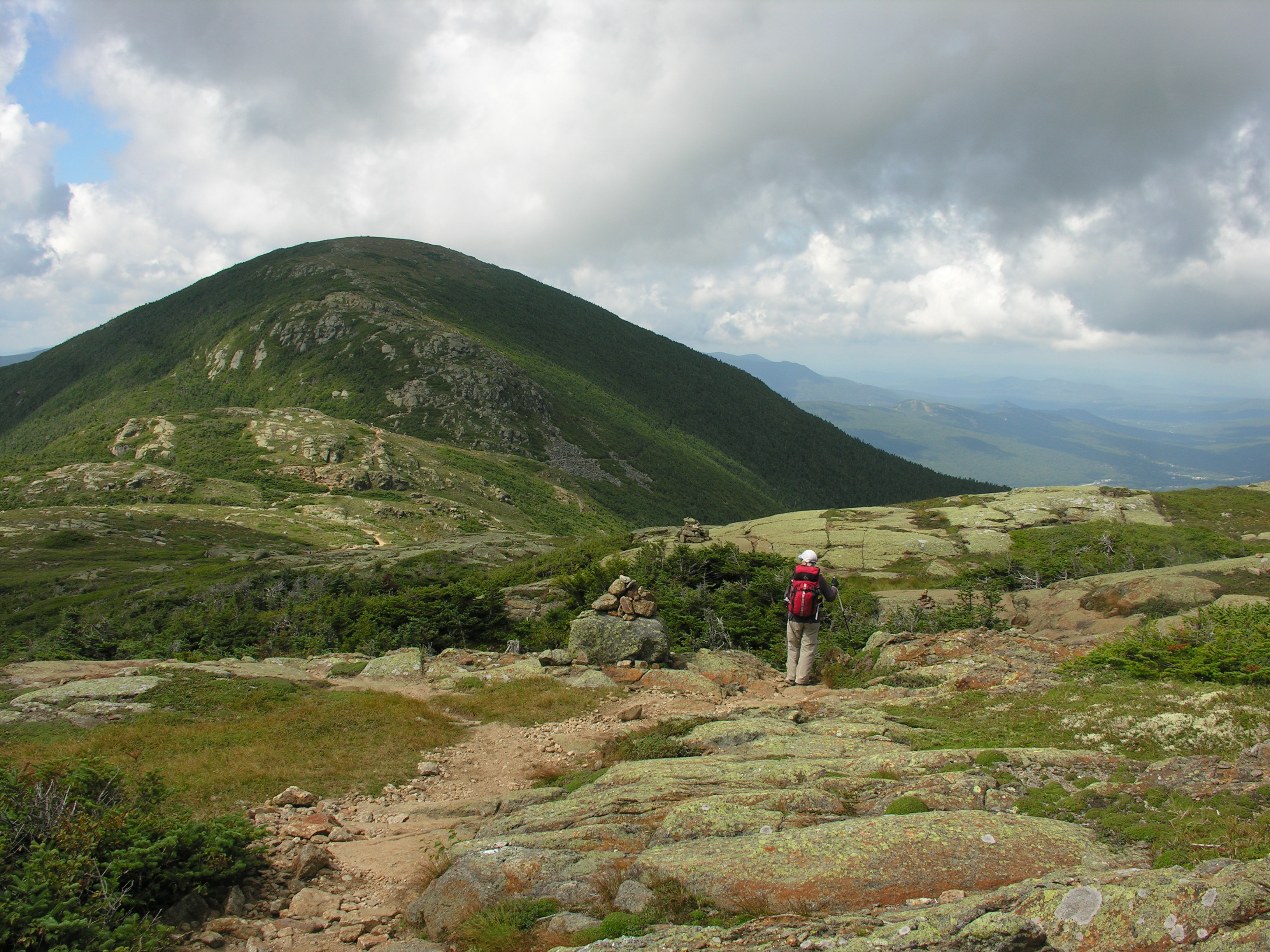
When it cleared, we could see Mount Eisenhower looming on the horizon. We elected to take the bypass trail instead of going up and over it. Big mistake. The bypass was as annoying as they get and we both swore like sailors during most of it.

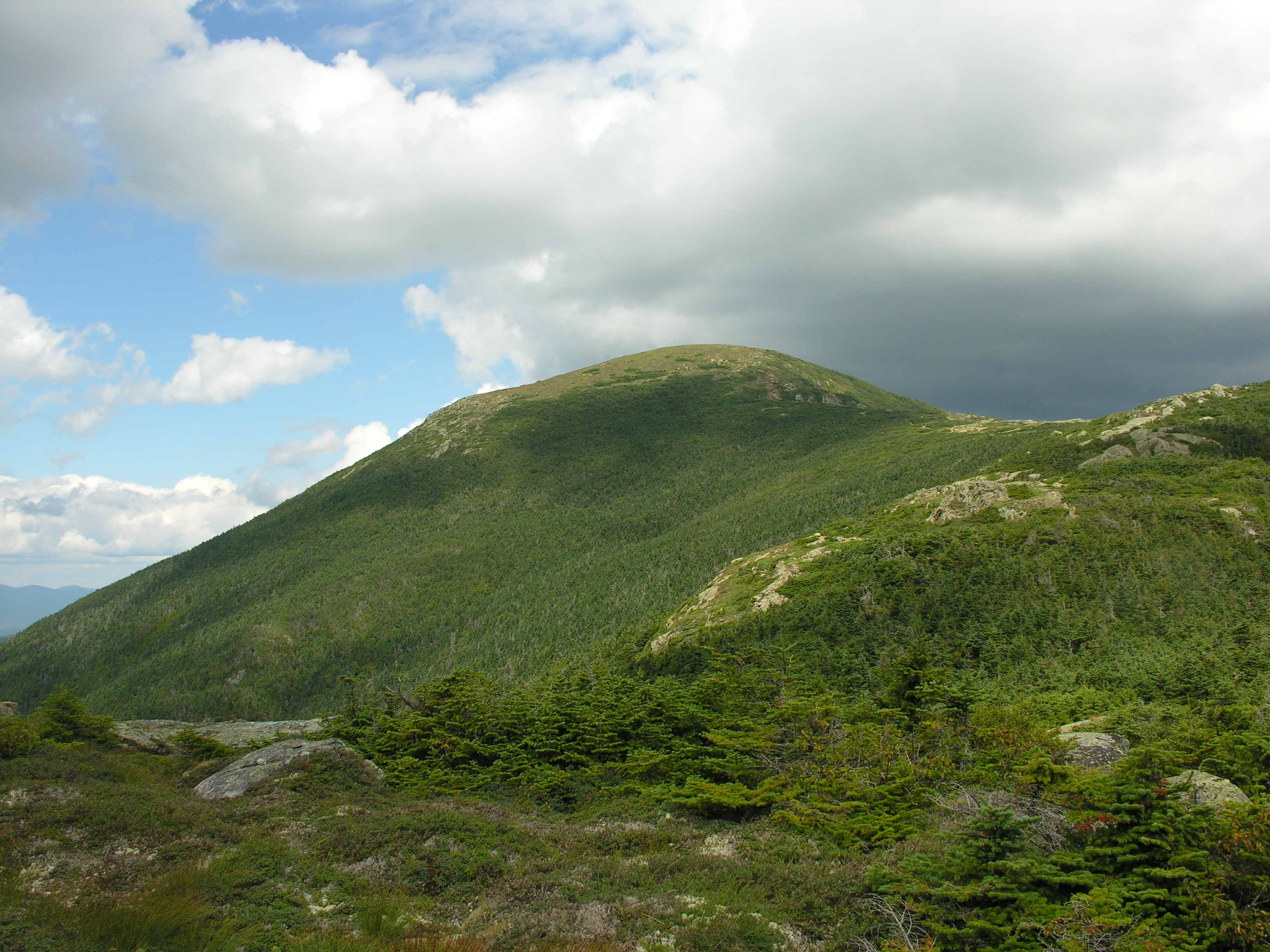
Then it was up and over Mount Pierce. By this time, I was getting pretty tired, but we had no choice but to keep going.

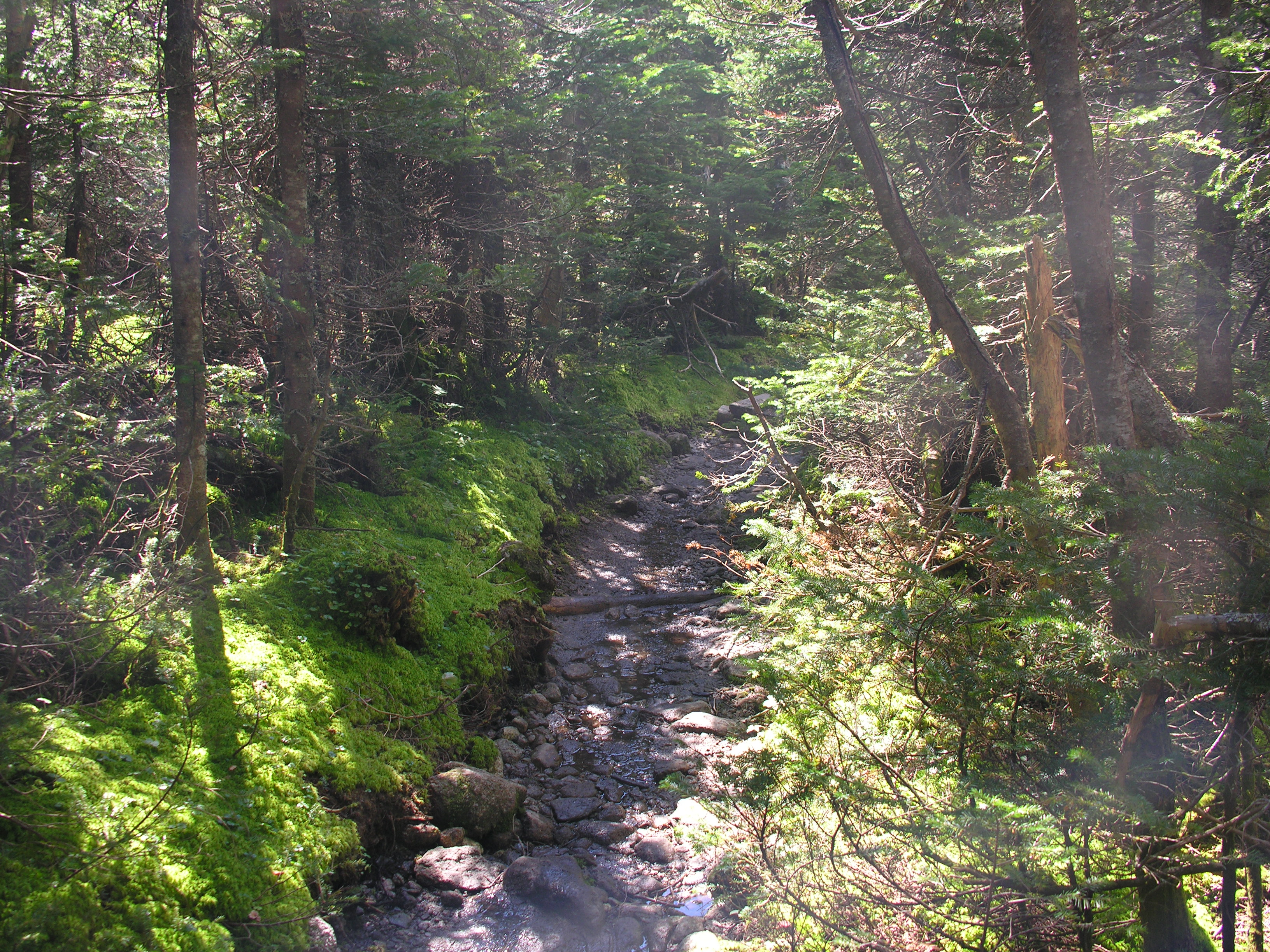
Finally, we began our descent to the Mizpah hut, but the last mile or so of the trail was as tough or tougher than anything we had done that day: steep, rocky and very tricky footing. People who hike the White Mountains regularly are used to these conditions and scamper down like goats. It took me a lot longer. The above photo looks back up the trail, which doesn’t look nearly as challenging (for me, anyway) as it was. Notice we are back below the tree line.

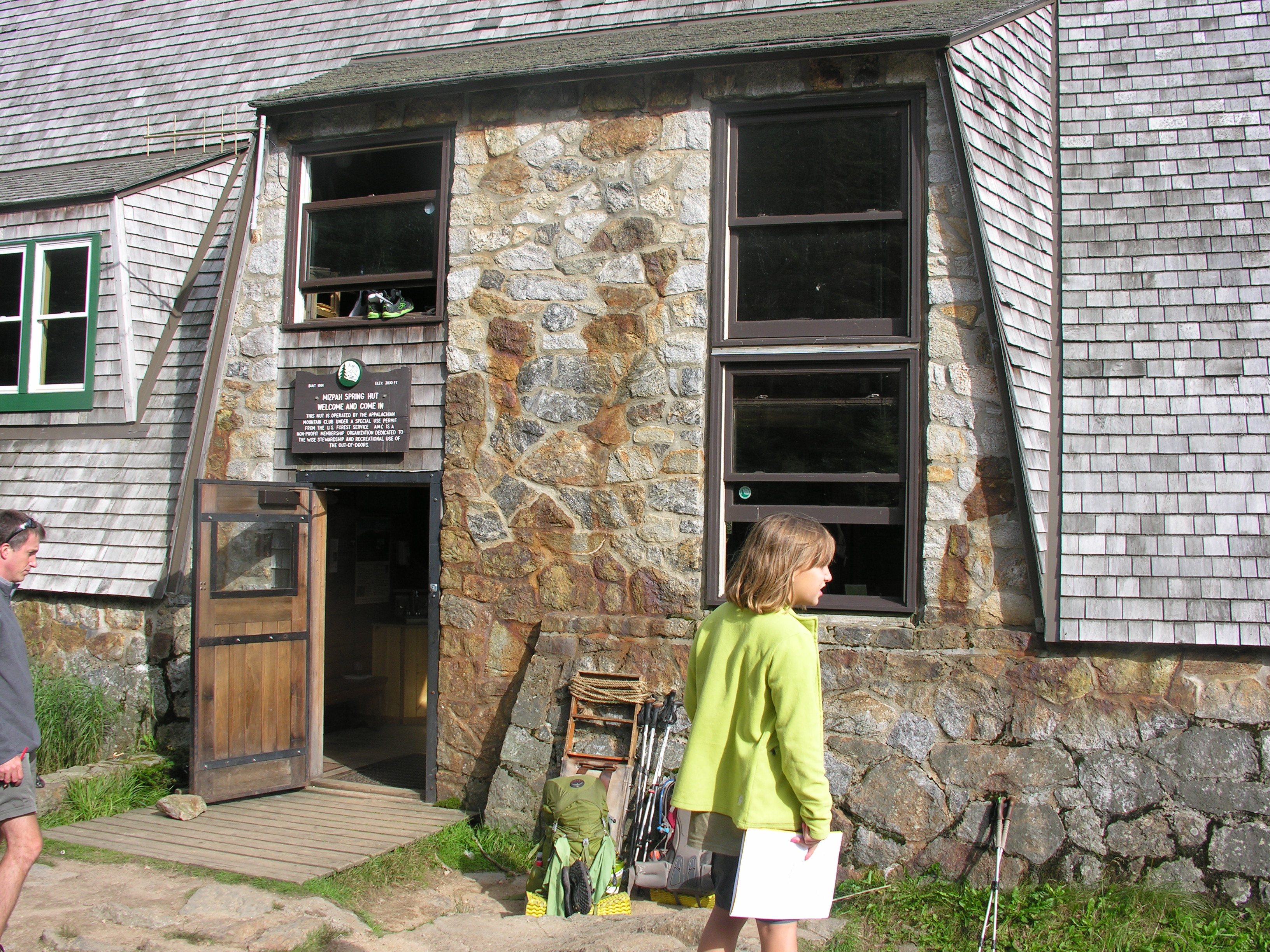
At last, after seven hours, we arrived at Mizpah hut. It was an amazing day on so many levels, and I will admit that there were a couple of times when I wished I were somewhere else. But it was so worth it in the end.

In my final post: the plants of the alpine zone.

Posted in Uncategorized | 2 Comments