Blustery

I walked to the nearest beach the other morning. It was windy and mild. I met a mockingbird, foraging for berries.

One of our neighbors had done something rather charming with Canada goose holiday decorations.

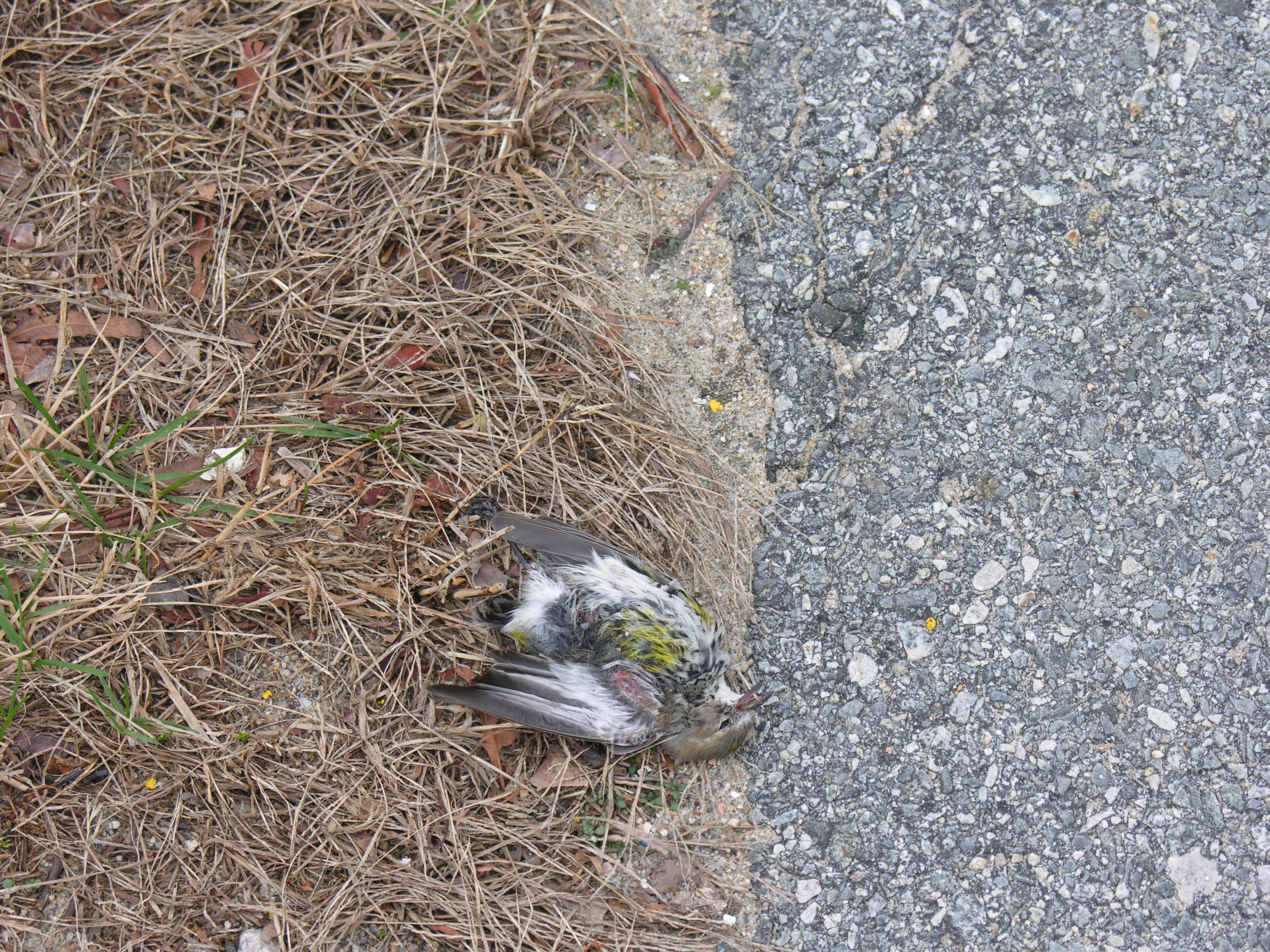
Not everything I saw was pleasant. I came across a dead yellow rumped warbler on the side of the road , and laid its body gently in the bushes.

And when I reached the beach,  a dead black backed gull was lying in the deserted parking lot.

It was a typical winter day here on the Rhode Island coast. Still no snow…and blustery.

Posted in Uncategorized | 7 Comments

It’s Christmas!

I thought I would treat you to something beautiful for Christmas, so I took a trip to my favorite nursery to see what creative things they were doing for the holidays. As usual, I left with a couple of new ornaments for the tree, and several photos. Feast your eyes on the snowy scene in the header. It’s constructed in an old baby’s crib and it changes with the seasons.

How about this display of white birch, white phalaenopsis, red poinsettias and green topiary?

This shed is charming. I love the small lighted tree just inside.

There were several decorated trees. I loved this one with all the animal ornaments. I bought a dachshund and a piglet.

To my readers, wherever you are in the world, I wish you the happiest of holidays. Thanks for another great year.

Please pray for snow.

Posted in Uncategorized | 8 Comments

Am I the Only One?

The trees that nobody wanted

So is it just me, or do you find it a little bit sad just before Christmas to see all the trees that were never sold? It seems kind of wrong that they were raised to be one glorious thing for a few glorious weeks, and now they’ll end up as mulch without ever having fulfilled their destinies.

It’s not as if it’s like it was when I was a girl and trees varied – a lot. There were the bushy ones and the scrawny ones, and almost every tree had a “bad side” that you would put against the wall. Trees were not as bushy back then either, and because they weren’t sprayed, if you were very lucky, your tree would contain a bird’s nest. Now trees are uniformly bushy, and the only variations are species and size. I don’t think you could find a scrawny one if you tried.

I spoke to the owner of one of our local nurseries and he told me he had ordered more than 3,000 trees from New Hampshire this year. He also said that despite cheery media reports about booming live tree sales, his sales were down this year and had been declining steadily for the past several years.

I wandered around and looked at the trees that would never see an ornament or lights. There were so many of them. One was being loaded onto someone’s SUV, but the rest would remain unsold – some of them still in their original wrappers.

That is sad, isn’t it?

Posted in Uncategorized | 8 Comments

Beware the Boxwood Blight!

Blight on boxwood leaves Photo: University of Connecticut

Just as many of us are gathering boxwood to make lovely Christmas decorations there is news of a new blight that has infected boxwoods in neighboring Connecticut. It is caused by the fungus Cylindrocladium buxicola, which hails from the UK.

No one knows how it entered the U.S., but it has been found in North Carolina, Virginia, and now, landscapes and garden centers in Connecticut.

The fungus infects boxwood leaves, producing brown spots. The leaves then turn brown and drop. It also infects the plants’ stems, leaving black lesions. The blight does not affect the roots, and infected plants can survive, if they are not repeatedly defoliated.

An infected plant. photo: Perdue University

Boxwood blight spreads quickly, especially when it’s warm and damp. The spores are carried by rain and wind over short distances, but the disease is carried far and wide when infected plants which appear healthy are transported.

Control measures include meticulous sanitation around the plants, frequent inspections, making sure there’s enough space between plants, fungicides, and avoiding overhead watering.

If you find infected plants, pull them immediately, and here in Rhode Island, bring a sample to the University of Rhode Island’s plant clinic for a diagnosis. For more details on this blight, go to this University of Connecticut website.

And please be careful with the boxwoods you use for your holiday decorations. You don’t want to accidentally spread this disease or introduce it into your own landscape!
Posted in Uncategorized | Leave a comment

This Just Doesn’t Feel Right

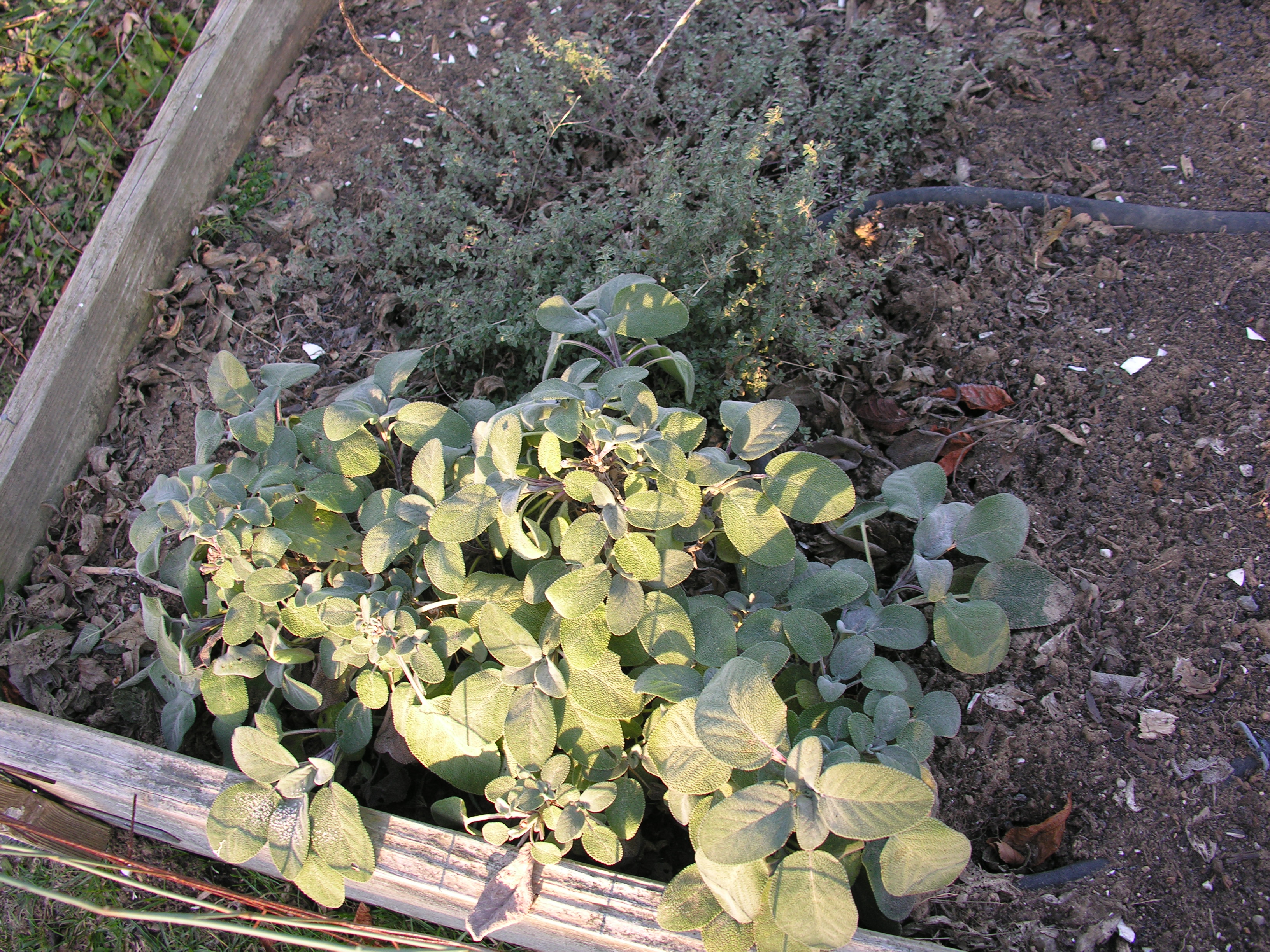
I am at my desk, looking out over the lawn to the salt pond. It’s mid-December, and the grass is still  green. The sage and thyme in my vegetable garden are very much alive, because until a couple of days ago, it was warm – in the 60sF. The birds and squirrels are coming to the feeders, but not with the purpose they have when it’s wintry and cold.

There are good things and bad things about this warm early winter:

First the good:

We’re saving on heating oil, we don’t have to pay the guy to plow our driveway, I can dash out with the dog and not have to worry about pulling on my snow boots, and many of the plants in the garden, like the aforementioned herbs, are still alive and providing their  fresh-tasting goodness to my cooking. Oh yes, and there are no puddles of melting snow on the kitchen floor.

sage and thyme, still just fine

And now the bad:

It’s going to be Christmas soon, and it should be white, not brown, green and gray.  We are skiers, and we’re wondering whether this might be one of “those” winters – the tragic, snowless kind. My dog has no snow to stick her nose into and snuffle up whatever scent is lurking down there. There’s is no blanket of whiteness to insulate and protect the gardens from that desiccating wind.

It just doesn’t feel right.

Posted in Uncategorized | 10 Comments

The Great Squirrel Migrations

photo: Sannse

Since I seem to be in a “squirrely” frame of mind these days, let’s pause for a moment to consider the great squirrel migrations. Yes, like the mighty bison, gray squirrels did indeed migrate in huge numbers, across rivers (they are strong swimmers) and through fields, apparently eating everything in their paths.

The earliest records of these phenomena are in the mid-1700s. They apparently took place following “mast years” when the trees produced bumper crops of acorns and the animals reproduced accordingly, having two litters instead of one. If acorn production was low the following year, squirrels by the hundreds of thousands moved elsewhere looking for food. People shot them and even scooped them up from  boats as they tried to swim across rivers. Back in those days, people ate squirrels, you know….many still do. Did you know that the gray squirrel is the “official wild game animal” of Kentucky?

The last recorded migration was in the the fall of 1998, but I think we  experienced one this fall. There was a record low acorn production, and in September, we began seeing hundreds of squirrels dead on our roads. Were they on the move looking for food? Was this a remnant of great migrations past? I think maybe it was.

Posted in Uncategorized | 16 Comments

Small, But so Important

Photo: David Iliff

For the past couple of months, people in New England have been talking about acorns – or the near total  lack of them. There just aren’t any, and what is surprising is how many animals are affected.

Last fall, there was what is referred to as a “mast year,” which means the trees put out a huge crop of seeds. The average oak tree in the northeast produced about 250 pounds of acorns. This year, each tree produced only about half a pound! Hiking in the woods, we usually have to be careful not to slide on the ball bearing-like acorns that fall onto the trails. Not so this year. In fact, I haven’t seen a single acorn on any of my hikes.

In September, we began seeing the bodies of dead gray squirrels on our roads. I mean  lots of squirrel bodies. For a few weeks, it was as if they were just walking out into the roads and waiting to be hit. It was hard to swerve around them. The theory is that they reproduced like mad during the previous mast year, but with starvation looming in this lean year, many of them just died. The entire lemming-like scenario is just plain weird and I have yet to find an explanation for it.

It’s not just squirrels who will miss the acorns. Ground nesting bird and field mouse populations are likely to crash. The deer ticks that feed on the mice may also be more aggressive in biting humans.

No one knows why seed production varies so much from one year to the next. What is  known is that such fluctuations are normal, even crashes like this one – the worst in 20 years.

Posted in Uncategorized | 2 Comments

Take That, Winter Moth

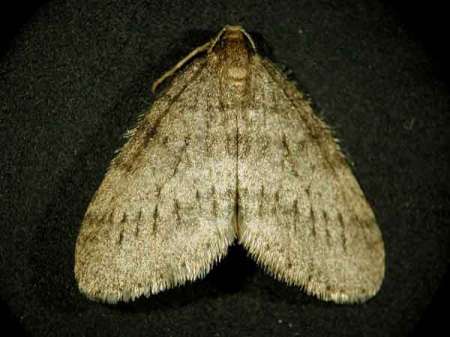
Winter moth

Almost two years ago, I wrote about how a horrible insect, the winter moth, Operophtera brumata, was devastating our trees. This is the time of year we see them fluttering around. It’s mating season, so they are on the move. The moths you see are males, which are attracted to females  waiting  at the bases of trees to mate. The eggs spend the winter in the trees’ leaf buds and the larvae start devouring new leaves when they emerge in the spring. They can easily defoliate large trees, which will eventually die if this happens repeatedly because they can’t make food.

Cyzensis albicans. photo: James K. Lindsey

Enter Cyzenis albicans, a parasitic fly with a prediliction for winter moths which has successfully kept them under control in Europe. The fly lays eggs on the leaves the moth larvae eat, and the eggs hatch inside the caterpillars and kill them as the the fly larvae chew their way out. Newborn flies emerge from the bodies of the dead caterpillars, and fly off to start the cycle anew.

While the fly is known to be an effective control, it has its work cut out for it because of the severity of the winter moth infestation. Hopefully after a couple of years of intensive, gorging parasitism, the fly will emerge victorious and winter moths will no longer be a scourge of our New England trees. Lets keep our fingers crossed.

Posted in Uncategorized | 2 Comments

A Beautiful November

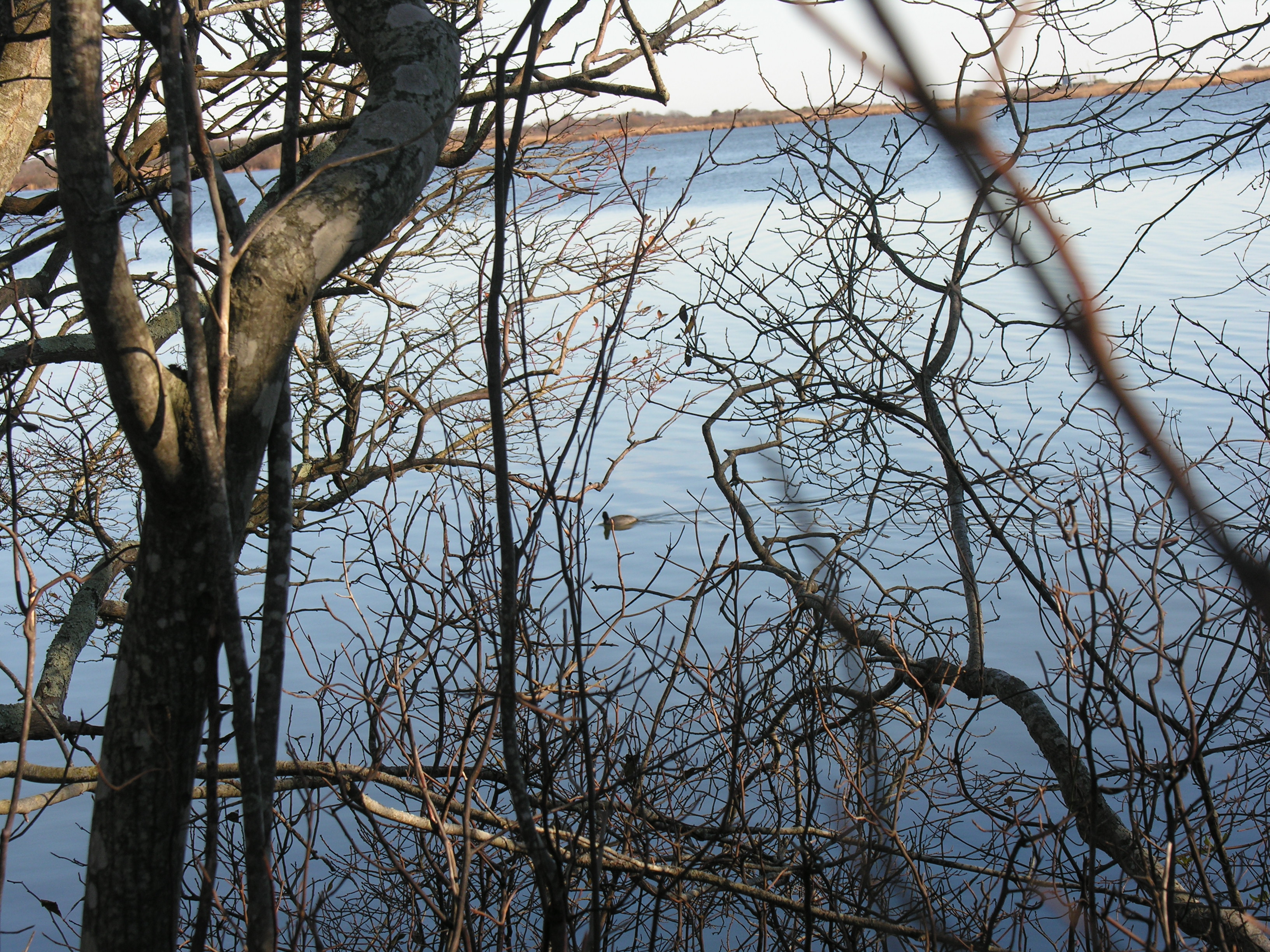
A cruising coot

On Thanksgiving, before the feast, we took a walk at the nearby Trustom Pond National Wildlife Refuge. It was a beautiful day, as have been so many this month. We always think of November as gloomy and cold, but this month has been largely glorious.

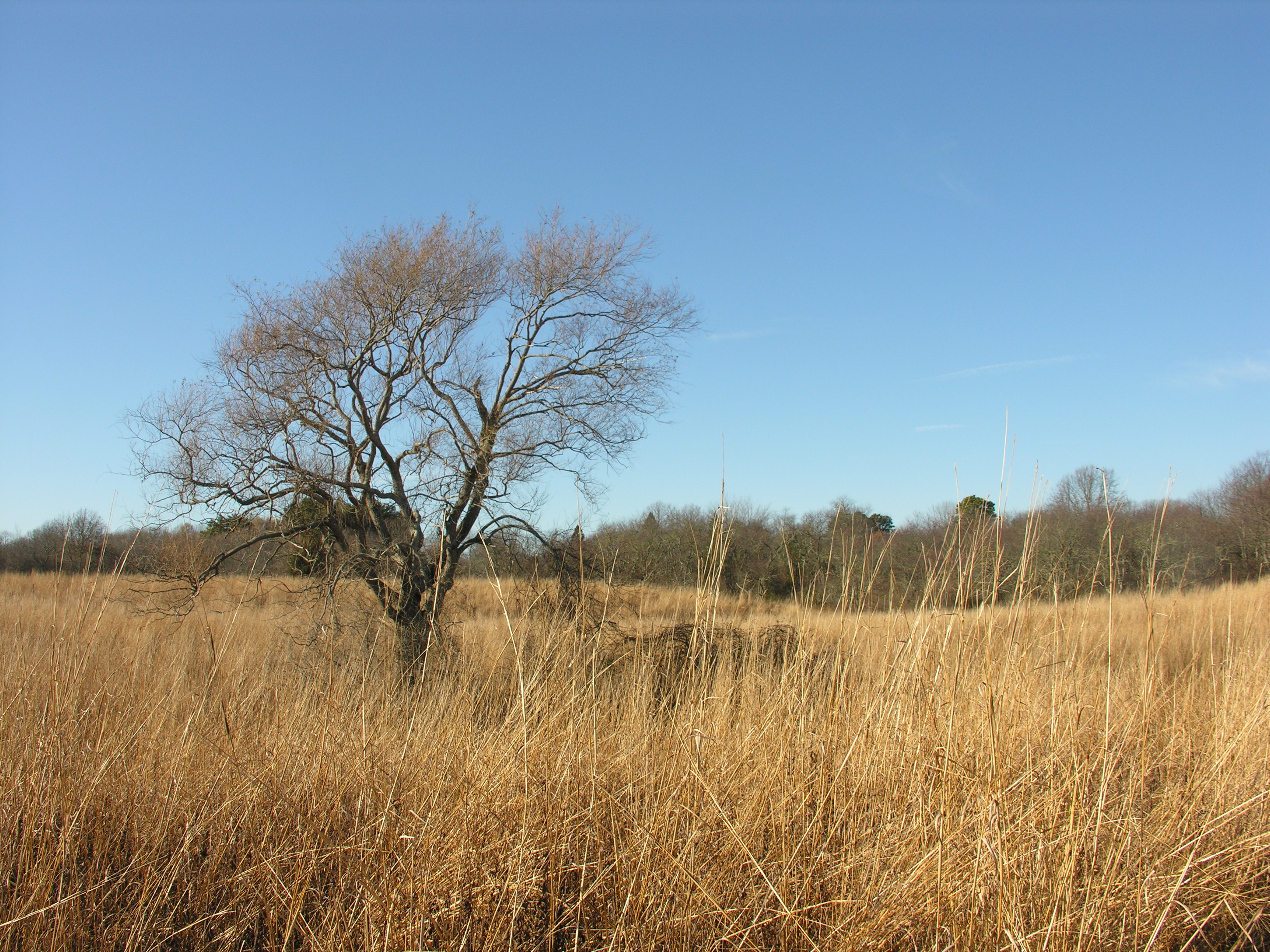
I thought this tree in the brown meadow looked almost like the scenes I saw when I went to Africa.

Almost like the Serengeti

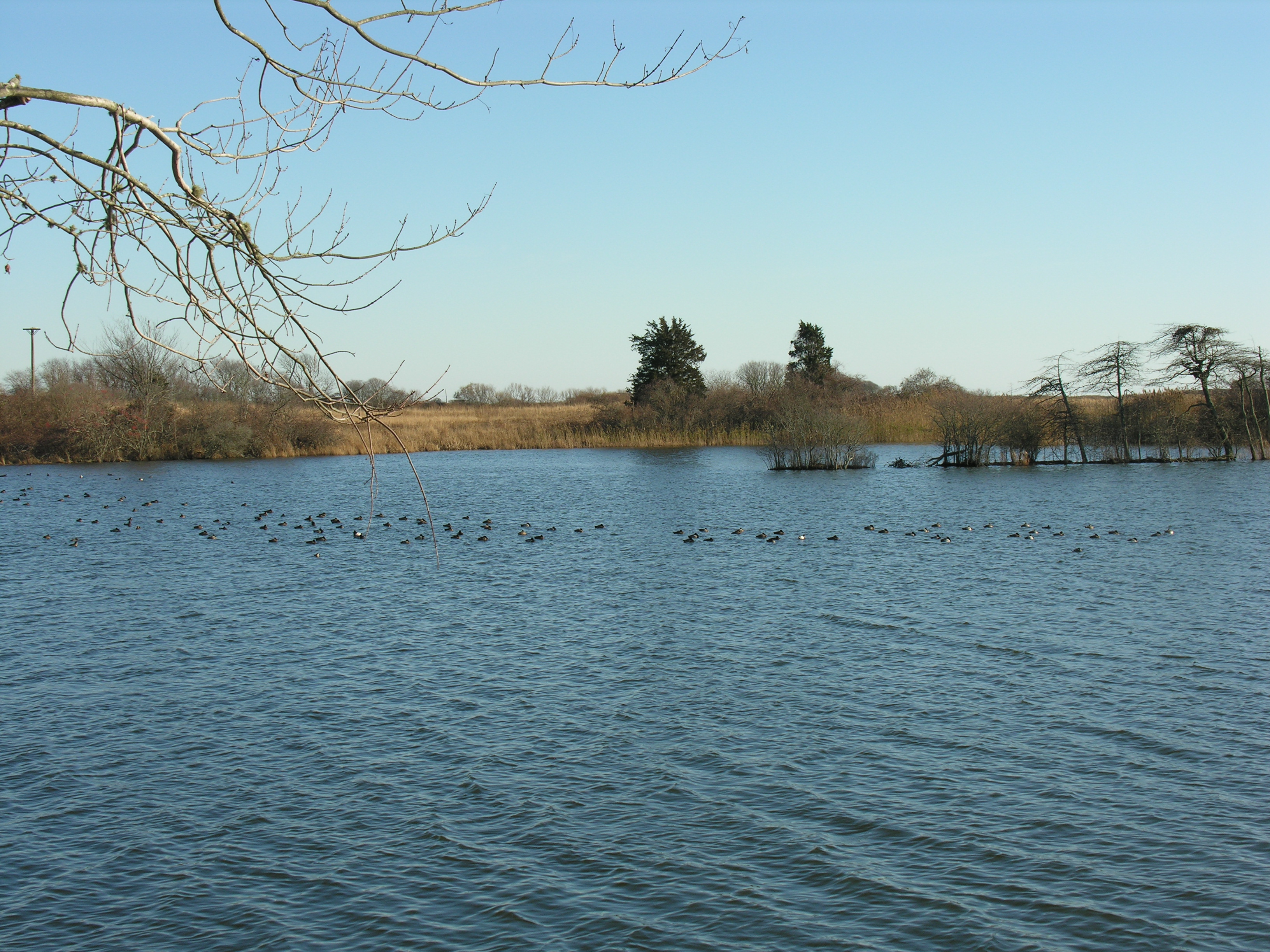
The refuge isn’t that large, but it’s interesting. There are two points you can walk out to, each with an observation platform. The platforms look out onto another important feature: a huge salt pond which is separated from the open ocean by a narrow barrier beach on the far side. This is a wintering area for numerous duck species. On this day there was a mixed flock of black ducks, coot and scaup with a few eiders and mergansers thrown in.

Many of these ducks are here for the winter

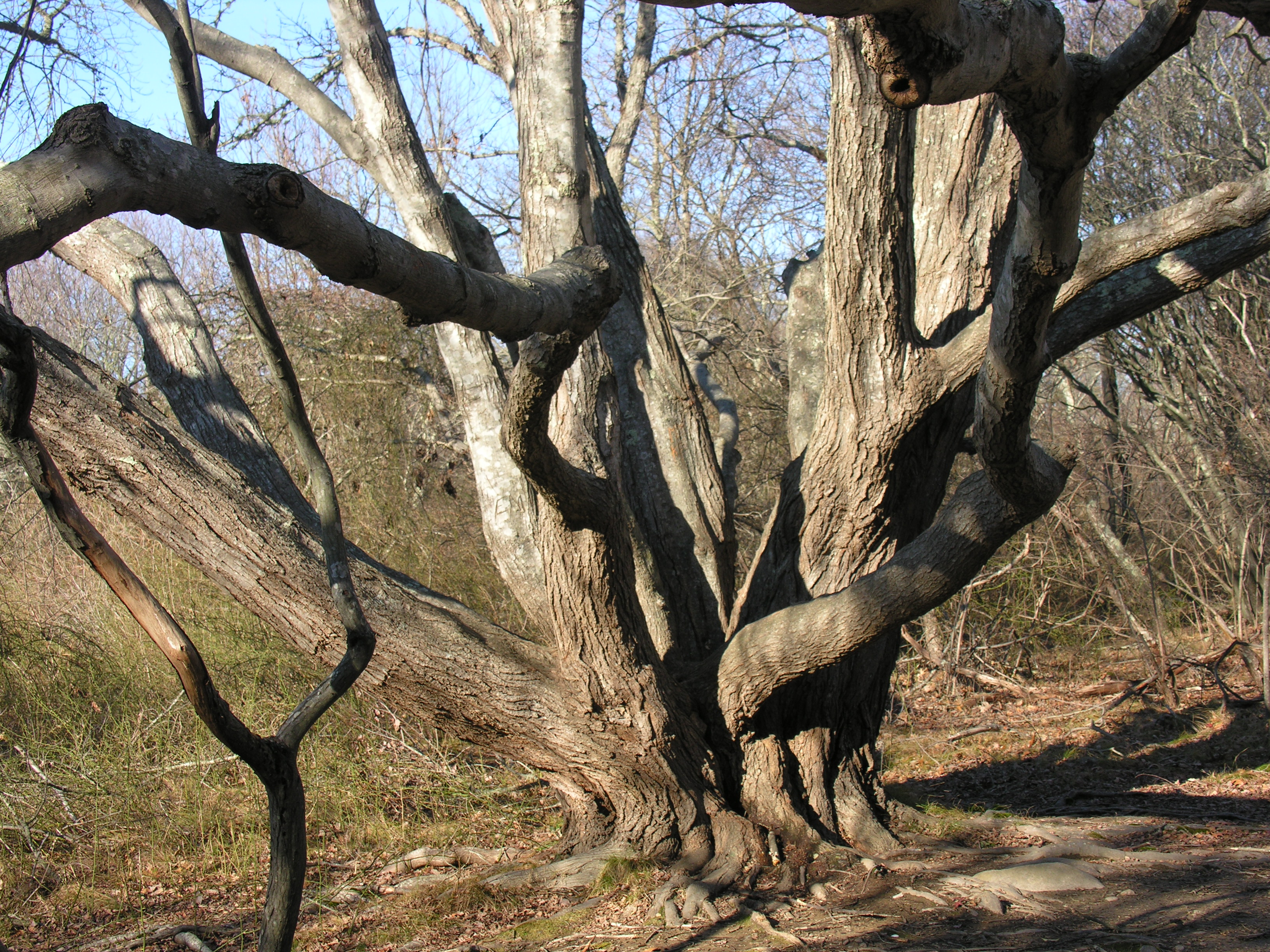
On the way back, I had to take a photo of this venerable swamp maple, looking very gnarled and beautiful in the watery November light.

Everyone I talk to seems surprised that I like this month and this time of year. I find it restful and relaxing, with everything going to sleep for the winter. You can see the nests in the bare tree branches, and hiking is cool and pleasant. My advice to those who keep whining about November is: get outside more.

Posted in Uncategorized | 5 Comments

Turkey for Turkeys

I took this through a window, but you get the idea.

I roasted a big turkey the other day, and before we went to bed, I tossed the neck out on our lawn, hoping the foxes would enjoy it.

The next morning, it was still untouched, but it wasn’t long before our neighborhood crows were enjoying the feast. Their pleasure was short-lived. Suddenly, in swooped a turkey vulture, about 4 times the size of the crows. We all know that in nature, might equals right, and the crows roosted in a nearby tree, voicing their  indignation as the vulture tore away at the meat.

We never had turkey vultures (Cathartes aura) in Quebec when I lived there, (they have  since moved in because it’s so much warmer now) but they are common here in RI. They are mostly but not always carrion-eating birds, that spend much of their time soaring in the air, looking for a meal. They  have excellent eyesight and a very keen sense of smell which helps them find their food, but their feet are weak, so they can’t pick up things and carry them away. Instead, they usually stand on their meal to eat it.

Many people revile them. After all, they are not the most charismatic and attractive of birds. They smell awful, and will even throw up on you if they are stressed. That said, they fill an important ecological niche, cleaning up  dead animals along our roads and elsewhere.

I think they look kind of cool, and those featherless heads perfectly adapted for the job they do.

For my readers who celebrate Thanksgiving, have a wonderful holiday. I am thankful for you!

Posted in Uncategorized | 7 Comments