New Favorite Garden Plant

i think i’m in love (don’t tell my husband). i have a little garden in front of some windows that we see every time we go up and down the stairs, so i like it to look nice as long as possible. we added a little fountain last year, and had to cover it with an ugly plastic cover for the winter because it’s not frost-proof. but even with the ugly cover, the garden was a happy sight, because the hellebores i bought last year started blooming in december and just never stopped. they were amazing (they are Helleborus ‘Rosemary’ and i got them from Prides Corner Farms.) and now, as you can see, we’ve uncovered the fountain, much to the delight of our cat, who spends hours a day watching the water and drinking from it. and posing with the hellebores!

Fountain

Fountain

[crossposted to auntiebeak.com]

Posted in Uncategorized | 4 Comments

Poison on the Grass

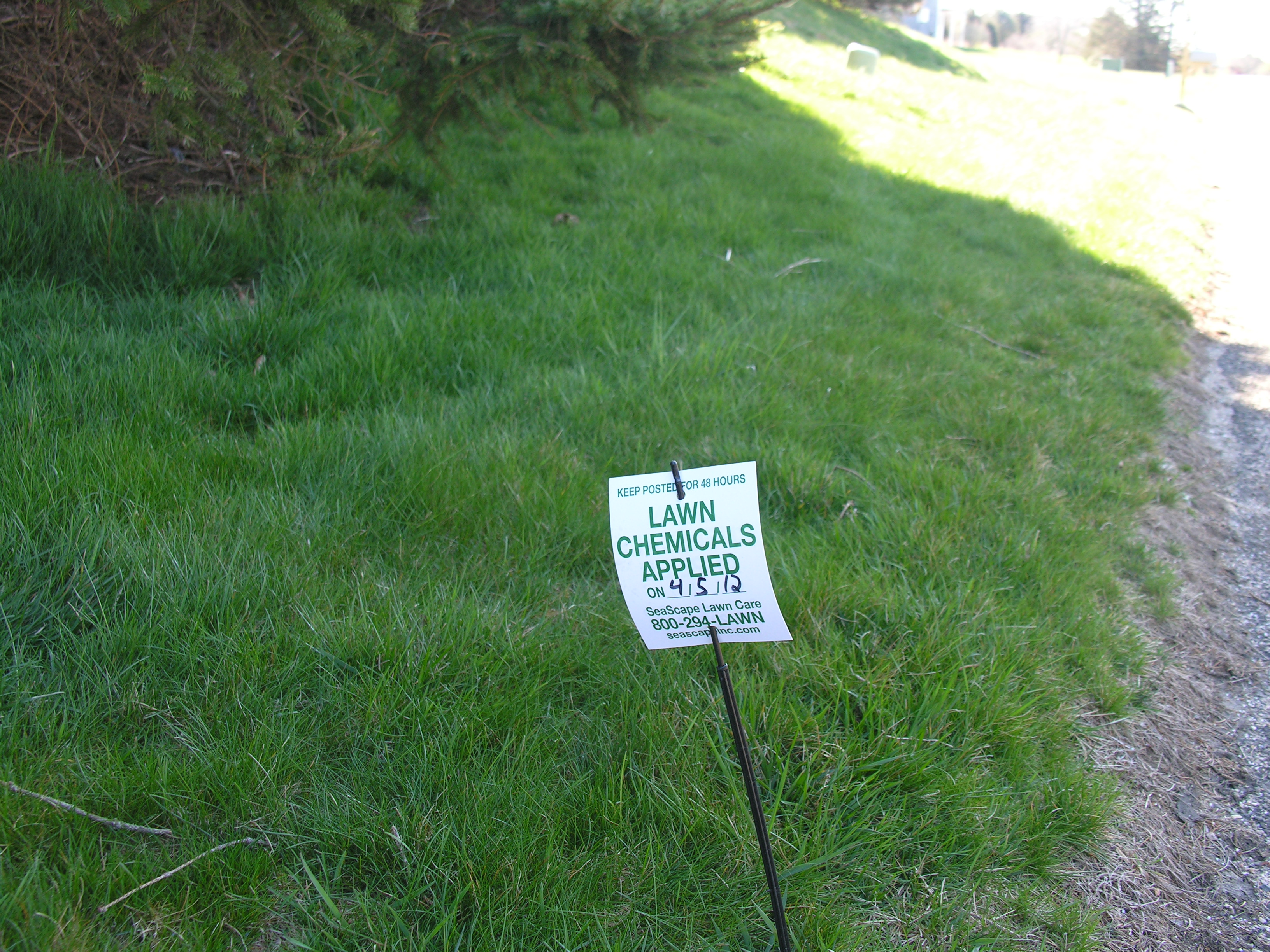
As the forsythia blooms and the narcissus flower their gorgeous heads off, something more ominous pokes up from the grass: signs warning that lawns have been sprayed with chemicals.

I am completely, totally and rabidly opposed to the use of chemicals on lawns. This practice was outlawed years ago in Quebec, where I originally come from, and  lawns there look just fine. When I was young, (back in the Paleolithic) people just spread topsoil on their grass every spring. This nourished the soil and produced healthy, resilient turf. There was no such thing as a “Four Step” program either.

If the applicator has to post signs warning the grass is not safe to walk on for at least a couple of days after an application, what do you think those chemicals are doing to the insects, birds and animals, including pets,  that might be foolish enough to land on it? And what do you think those chemicals do to the ocean when they run off into the water – which we just happen to be living right next to????? They also kill most of the beneficial microorganisms living in the turf and the soil, creating a less resilient, chemically-dependent lawn.

Our lawn is thick and green and all we do is mow it. Our neighbors spray theirs, and it’s not  as green as ours.  I deliberately allow dandelions to flower on our lawn, just for the satisfaction of seeing them pop up on my neighbor’s side, because I know it drives her crazy.

We have enough chemical pollutants in our world. Is it necessary to add more of them just because some chemical company told you that your lawn would be better for it? These companies have managed to convince homeowners that they MUST control evils such as the dreaded CLOVER. What in heaven’s name is wrong with clover? I like clover and the bees it attracts. The more the better, I say.

I have already received several fliers in my mailbox from “lawn care” companies, trying to get me to buy their nonsense. No sale here, that’s for sure.

For more information on how to have a beautiful AND sustainable lawn, check out Safelawns.org.

Posted in Uncategorized | 6 Comments

A Different World

We have just returned from a week in Fernie, British Columbia. We have skied there for the past several years and we were really looking forward to this week, particularly after such a pathetic ski season here in the east.

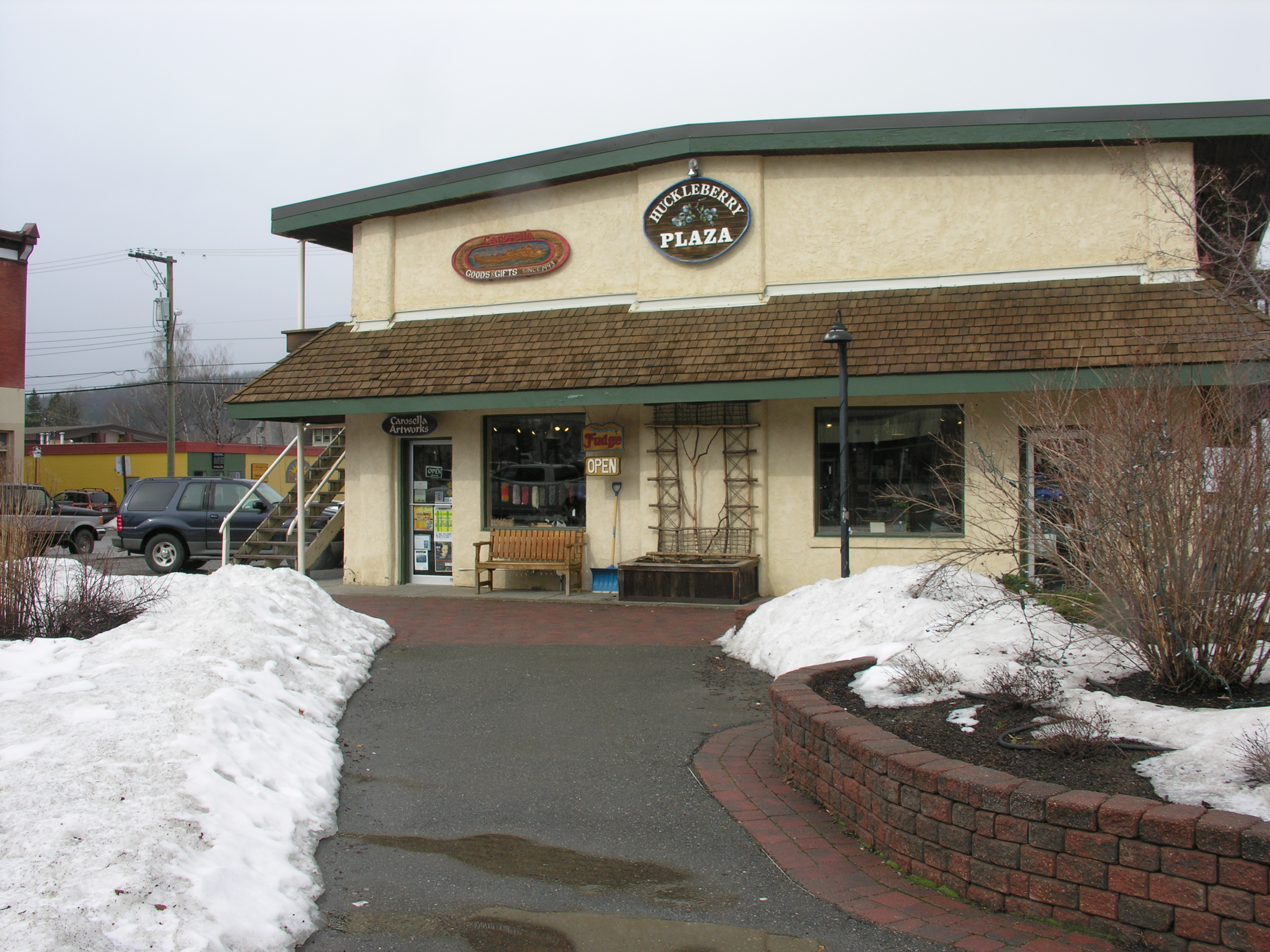
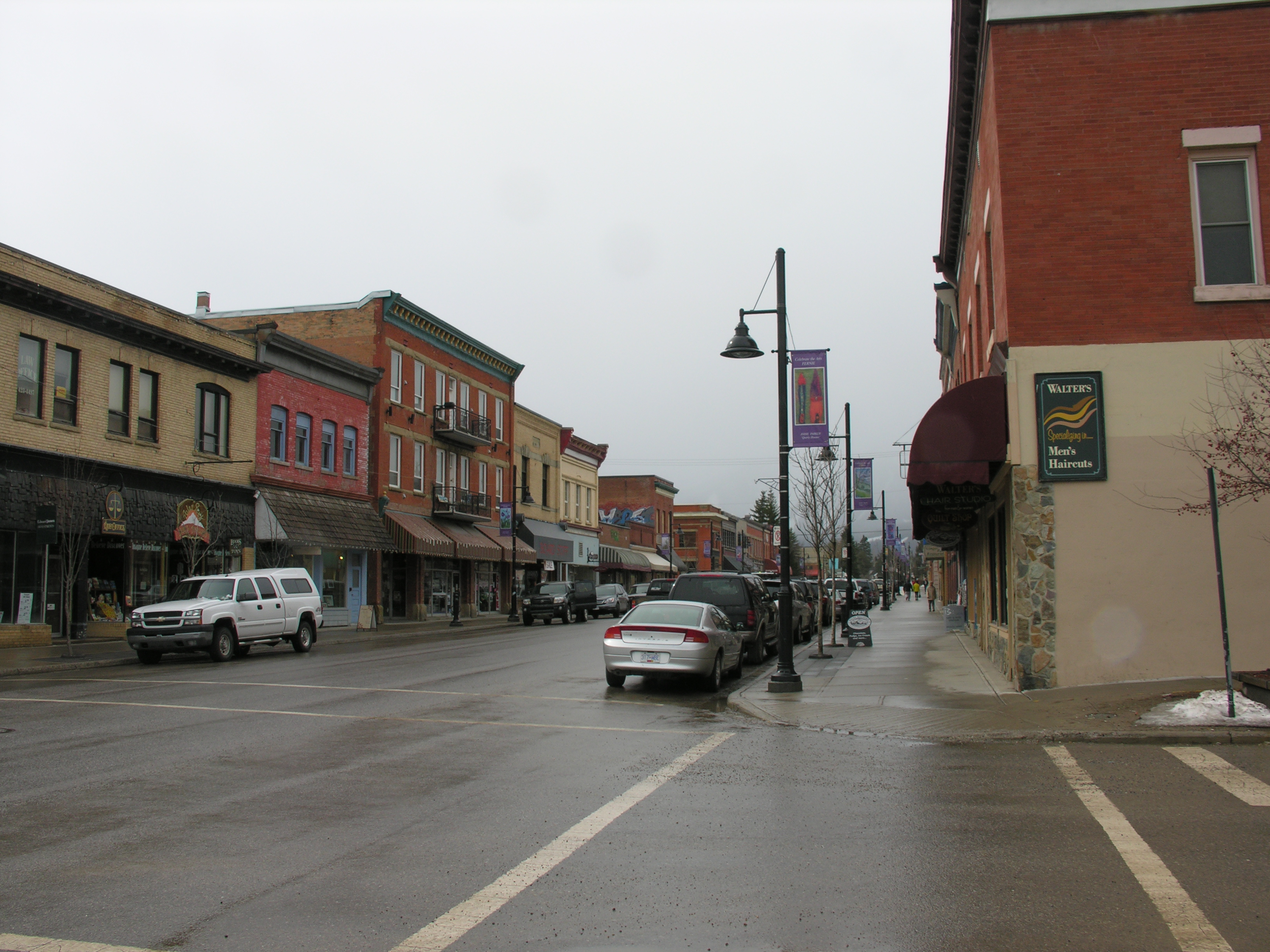
As you can see, they had a huge snow year. Unfortunately, when we arrived, we brought with us a solid week of heavy, sticky snow and rain. Most of the upper mountain was closed because of the extreme avalanche danger. We skied, but it was tough and often unpleasant in the rain. I spent some time in the little former mining town of Fernie, which is real and not some touristy fake alpine village.

On our way back to Calgary, Alberta, we detoured to the US border and checked out Waterton National Park, which is next to Glacier National Park in Montana. Of course, the weather improved as we were leaving, so I got to take some decent photos at last.

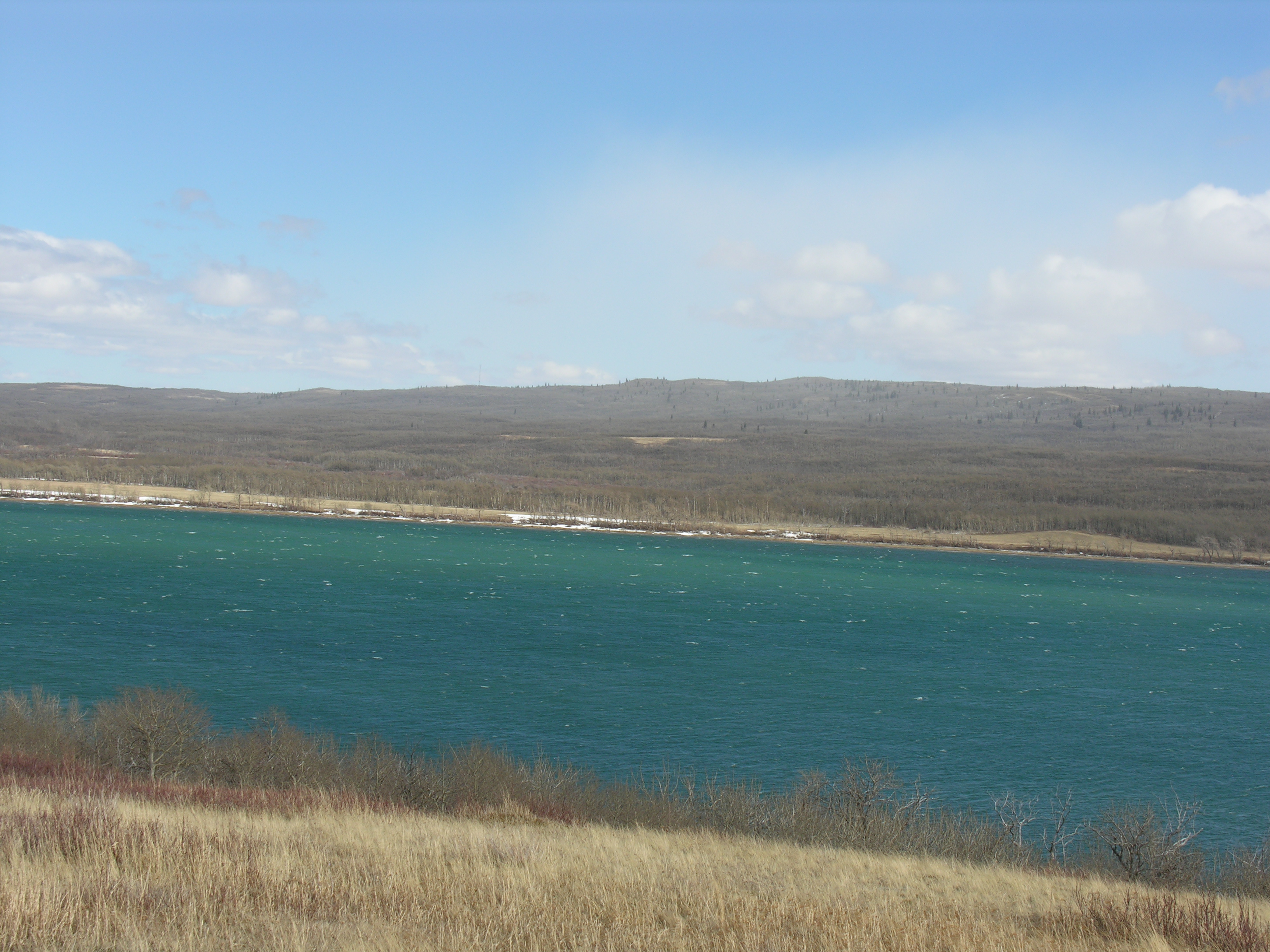
Look at the incredible color of this lake.

And this water is a completely different blue -almost black.

The slightly tacky village of Waterton had yet to awaken for the summer season, so the streets still belonged to the mule deer.

We left the mountains and headed to Calgary, across endless stretches of grazing land.

In contrast to the flamboyant flowering back home in RI, spring was just beginning here. Definitely a different world.

Posted in Uncategorized | 7 Comments

Some Thoughts on Seed Starting, and Peas!

my good friend dirtynailz is off doing non-bloggy things right now, and handed me the keys to the place, so i thought i’d just jump right in.

i’ve recently attended some workshops and lectures on seed starting, and i wanted to share. now, i know what you’re saying… “but auntie, don’t you already know everything there is to know about seed starting?” and yes, while it’s true i do know practically everything there is to know about starting seeds, that doesn’t mean an old auntie can’t learn a new trick or two! and because i am just that kind of person, i thought i’d talk about some of the new tips and tricks i learned recently.

this one has me particularly excited, and strangely enough, it was something talked about at more than one of the workshops/lectures i attended. one of the problems i always seem to have with small seedlings is not enough light. this little trick, using aluminum trays instead of seed flats, is sheer genius!

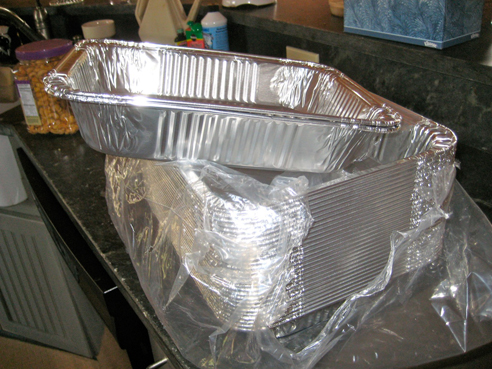
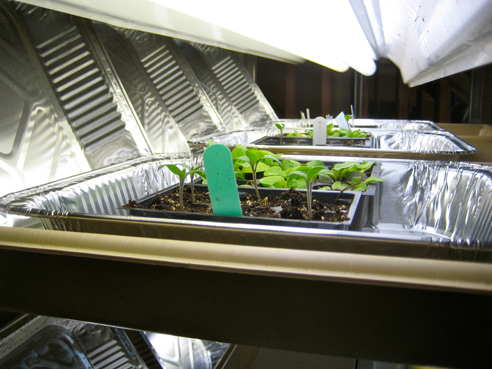
the aluminum reflects back lots of that light that otherwise goes to waste. it’s like having extra lighting without the electricity. i ran right out (as you can see) and grabbed some aluminum steam table trays at bj’s wholesale club. a lot of trays. at first i thought i might try just lining the seed flats with aluminum foil, but then i decided that the higher sides of the steam table trays would provide more benefit. i’ll let you know how it works out.

Aluminum Trays—A Lot of Them!

Aluminum Trays—A Lot of Them!

The Trays, Deployed

The Trays, Deployed

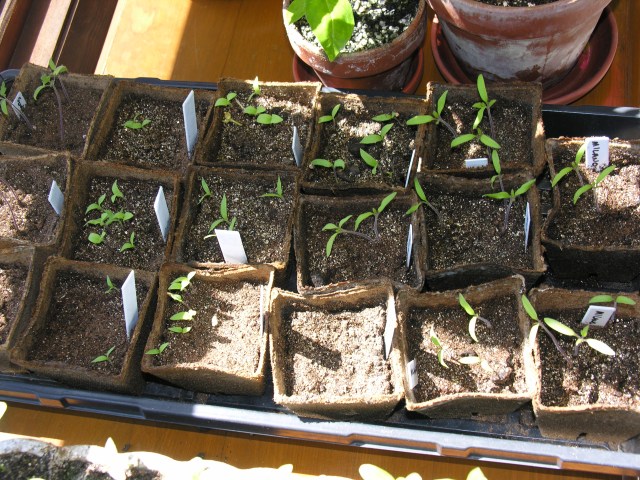
the second trick is something that’s not exactly new to me—it’s just something that i hadn’t considered using as extensively as the person giving the lecture suggested, and that is pre-sprouting seeds. while i’ve pre-sprouted peas and pumpkins, this person also pre-sprouts almost every vegetable seed it’s practical to try, including peppers, tomatoes, broccoli, kale… any seed big enough to handle. auntie is going to pre-sprout her tomato seeds first thing tomorrow. i will post pictures and let you all know how this also works out.

and in light of herbdoc’s post, below, and speaking of letting you know how things work out, well, usually auntie is simply too well-bred to gloat, but she can’t help but feel a teeny bit smug about this:

Pea Plant

Pea Plant

why, what’s that you see? a pea plant? on march 28th? yes, it’s true! my peas have germinated and are up. so my mad experimental planting on february 17th was a total success!

Posted in Uncategorized | 4 Comments

Is It Time to Plant?

One of Dirtynailz' raised beds, as yet unplanted.

Here’s HerbDoc with one of the oldest gardening questions: Is it time to plant?????

The days are finally getting longer, and the winter has been almost balmy, but is it time to plant? Gardeners need to remember that sowing too early doesn’t get you off to a fast start if the soil isn’t warm enough to germinate the seeds!

There’s an optimum temperature where almost 100% of the seeds will germinate, but most of us are just too antsy to wait for that to occur so we plant as soon as possible and are happy with less germination. My grandmother (my gardening mentor) always started off her vegetable gardening year with peas that she insisted had to be planted on St. Patrick’s Day, March 17th. For us, endive, peas, carrots, lettuce, radish and parsley will give decent germination when the soil temperature reaches 40 degrees. Other practical temperatures for germination are:

  • Spinach, turnip 50 degrees
  • Cabbage, Swiss chard, corn, tomato 55
  • Cuke, peppers 65
  • Beans, squash, eggplant, pumpkins 70

These temperatures are useful when starting indoors too, as with peppers, tomatoes and eggplant. Use a heat mat and a soil thermometer to gauge the temperature. Heat mats come in various sizes and usually cost from $17 up. Soil thermometers can be as inexpensive as $5: I prefer digital ones that resemble cooking thermometers. Check local gardening suppliers or search online.

Posted in Uncategorized | Leave a comment

File Under “Duh.”

thanks to maggie koerth-baker over at geek site boing-boing for bringing this npr story to my attention. apparently, the geniuses at monsanto figured that, because it was sooo hard for them to create roundup resistance in crops, the weeds wouldn’t be able to do it either. heck, the weeds don’t have fancy post-graduate degrees and millions of dollars in funding and research labs… well, whoopsy.

So how did the company’s experts react when weeds began to prove them wrong? “The reaction was, ‘What is really going on here?’ ” says Cole. Monsanto began a “massive effort” to figure out how the weeds withstand glyphosate. Some weeds, Cole says, appear to keep glyphosate from entering the plant at all; others sequester the herbicide in a spot where it can’t do much damage. Monsanto’s genetically engineered crops use a different technique entirely.

hubris is a terrible thing.

[cross-posted to auntiebeak.com]

Posted in Uncategorized | Leave a comment

A Big Guy Fights Back

There was an interesting op-ed piece in our local paper recently. It was entitled : “Those over-rated ‘heirloom veggies'” and it was written by none other than the Chair of the Burpee Seed company, George Ball.

In it, he attempts to portray those who love heirloom varieties as upper middle class yuppies who are growing them because they are stylish. Please enjoy the following  excerpt:

“However, there is also a stylish movement in contemporary gardening toward old-fashioned or “heirloom” vegetables that were popular in our grandparents’ day. In community gardens everywhere, I see tall, rangy, low-yielding and romantically named heirloom varieties made popular by environmental activists.”

Whoa there, Mr. Ball. Are you saying that heirloom vegetables are the choice of misguided elitist tree-huggers? I think you are.
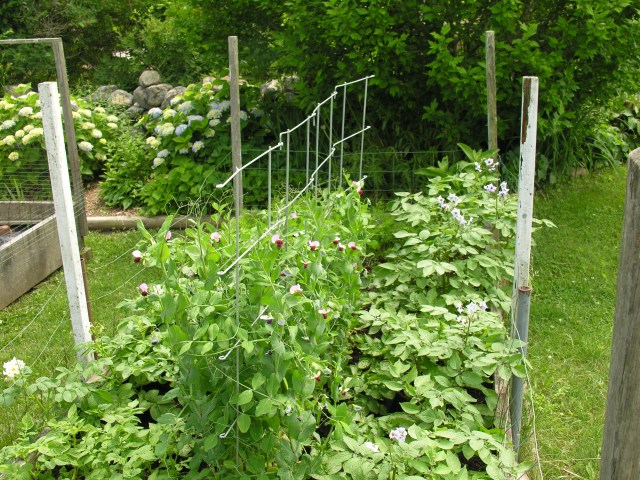
Heirlooms and hydrids...growing in perfect har - mon -eeeeeee

The author goes on to bring up the same tired old argument used by proponents of GMO plants and seeds: high yields mean more food for poor people.

“While the often lovely and uniquely flavored heirloom vegetables befit an upper-middle-class vegetable plot, they fail to meet the urgent nutritional needs of the urban poor, ” he writes. “In fact, old-fashioned varieties, with their poor yields, late harvests and floppy plants, present logistical challenges that most community gardeners cannot meet.”

Ball then attempts to discredit another reason that heirloom lovers grow old cultivars: you can save the seeds and unlike modern hybrids, they will grow true to type. He claims it is far too difficult for people to save seeds and that “paradoxically, the purveyors of heirloom seeds are at the elbow of community gardeners every year with new seeds to sell to them.”

Why shouldn’t heirloom seed vendors be selling their stuff,  anyway? And why can’t low-income families make these gardening choices for themselves? Are we feeling a  bit threatened, Mr. Ball, by companies such as Baker Creek Heirloom Seeds which have been tackling the GMO issue head-on?

Look, I don’t always grow heirlooms, and I agree that some of them can be low-yielding. One example of this is the Brandywine tomato which I bravely tried to grow for a few summers and then realized it just wasn’t worth the coddling and effort just for two or three measly cracked fruits.

But other gardeners love Brandywine and wouldn’t be without it, so what’s the big deal? Please don’t try to attach negative labels to gardeners who love heirloom vegetables for their history and their wonderful taste. I would bet that like me, most gardeners choose their vegetables by what they like to eat, and that some of their favorites include new cultivars as well as heirlooms.

I don’t think I will be buying anything from the Burpee catalog this year.
Posted in Uncategorized | 13 Comments

Jumping the Season, Update

so dirtynailz asked me to do a follow-up on the Mad, Mad I Tell You post about how i saw an, as it turns out, extremely optimistic 10-day weather forecast and went out, in february, and planted peas and spinach. in the ground. outside. in the winter.

i so far have mixed results. no sign of the peas yet, but check this out:

Spinach Seedlings

Spinach Seedlings

’at’s right, folks, read it and weep. actual spinach seedlings from a february sowing. outside. in new england. in march.

i will continue to keep you posted.

[crossposted to auntiebeak.com]

Posted in Uncategorized | 7 Comments

My Sunday Walk

As many of my readers know, on winter weekends when I am not skiing, I almost always take a walk. This time, I stayed in my immediate neighborhood. Please join me.

I find this creepy, and possibly downright evil.

A strange and rather hostile person lives here. I give her a wide berth.

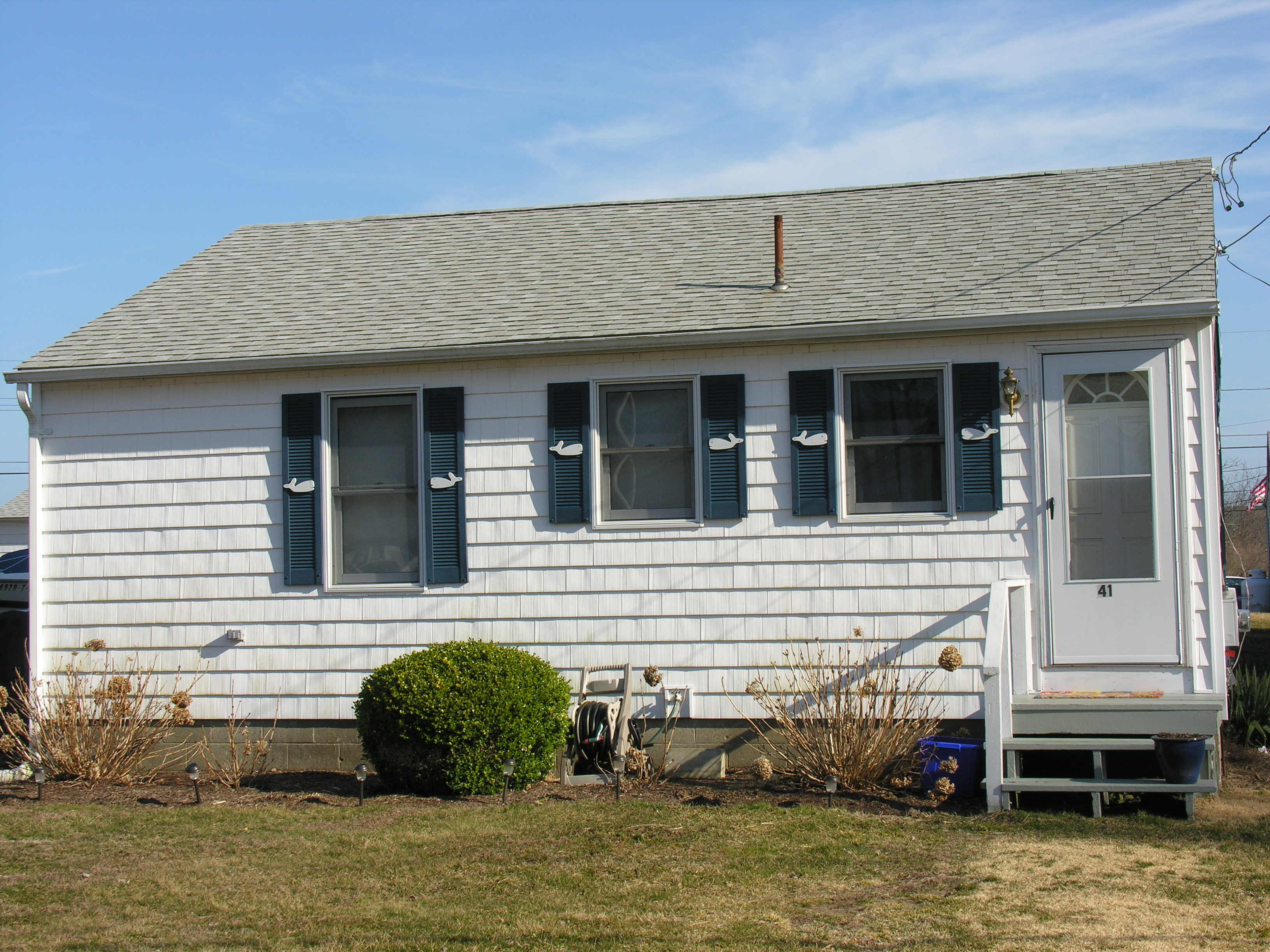
Here’s an example of the unpretentious cottages that make this place so special.

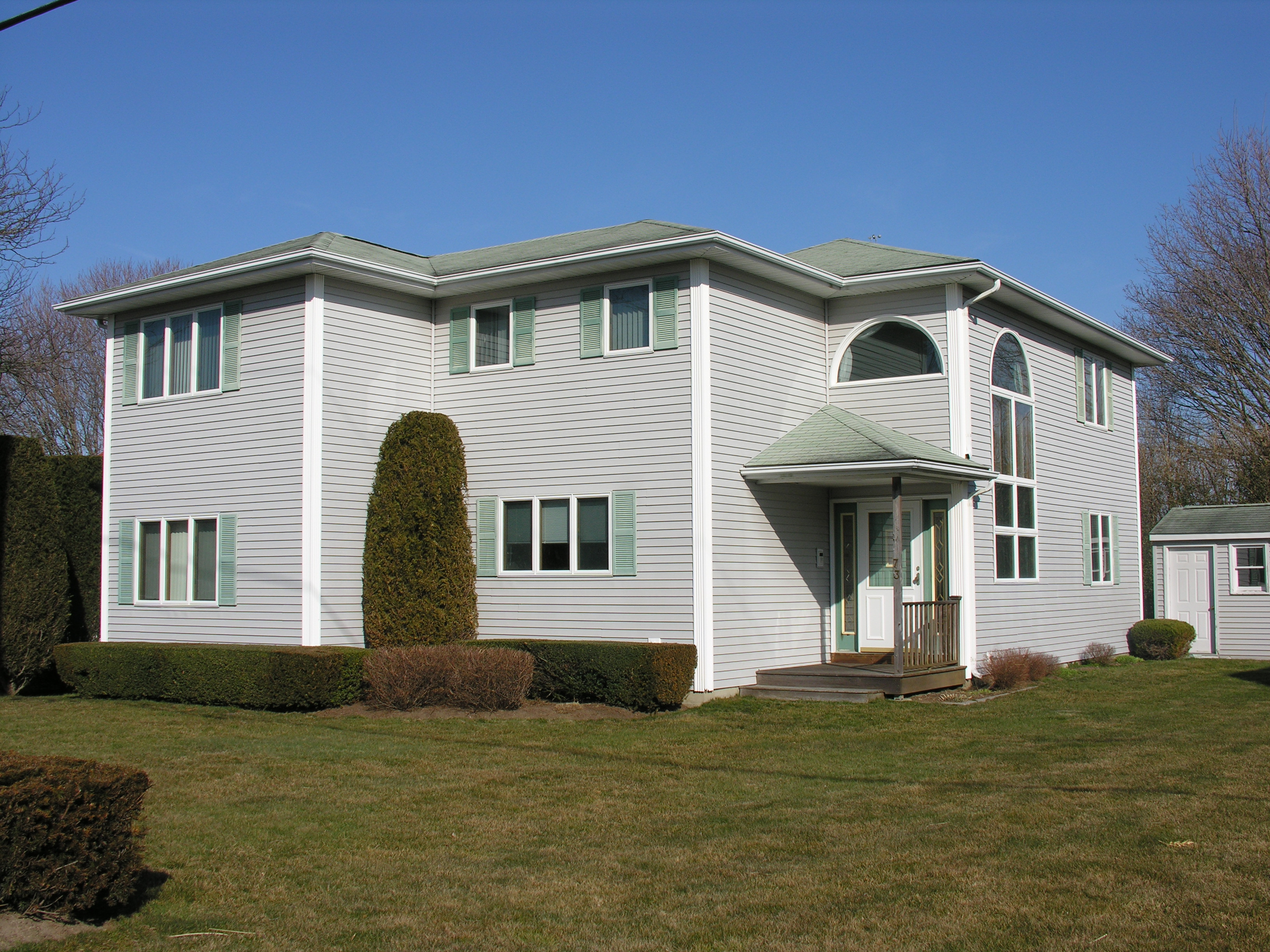
And here’s what people are tearing down the charming cottages to build. Completely un-charming boxes. Blech.

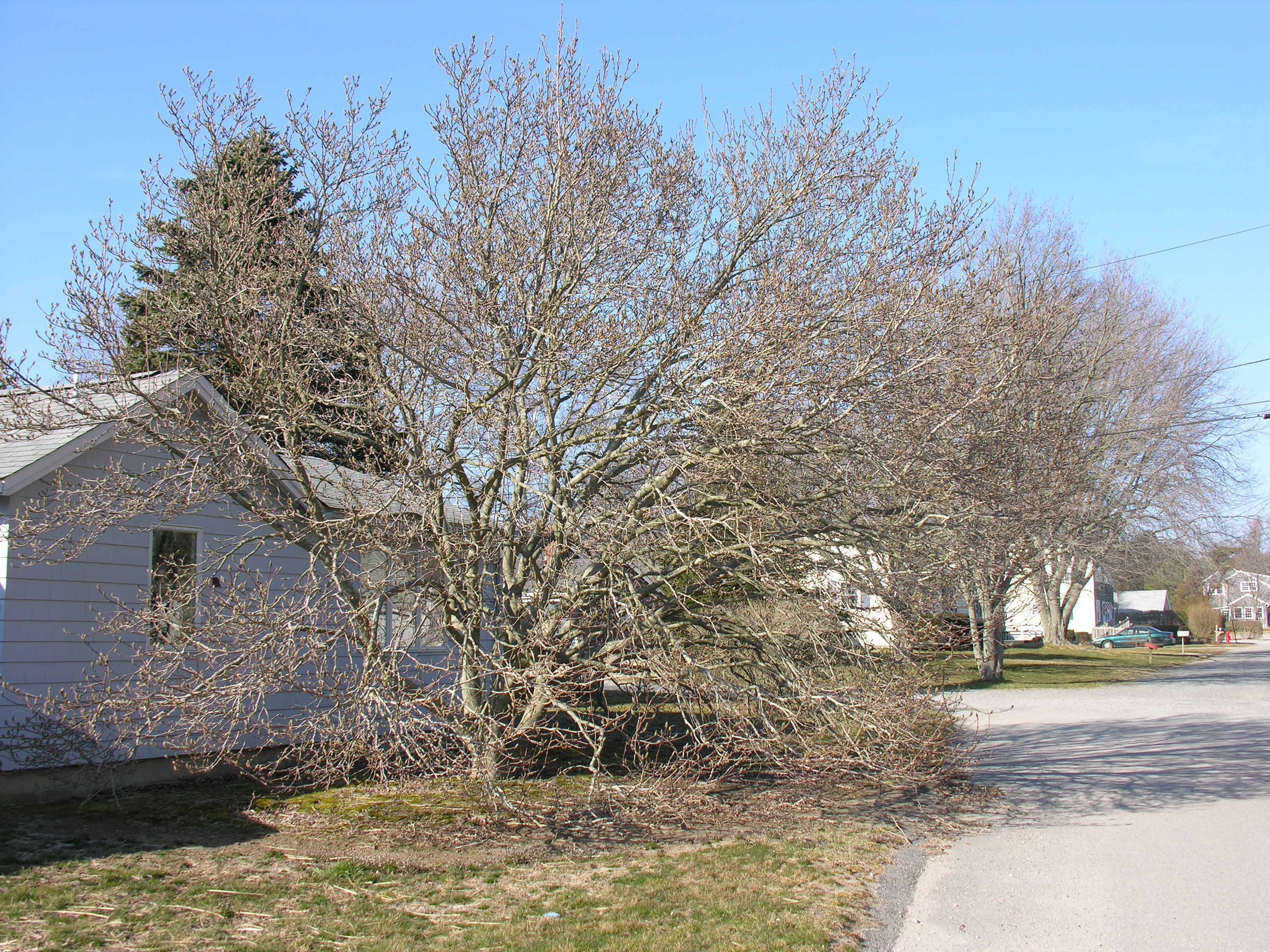
This magnolia doesn’t look like anything now, but in a couple of weeks, it’ll knock your socks off.

Check out those fat buds, just getting ready to burst open and make the entire street  corner beautiful.

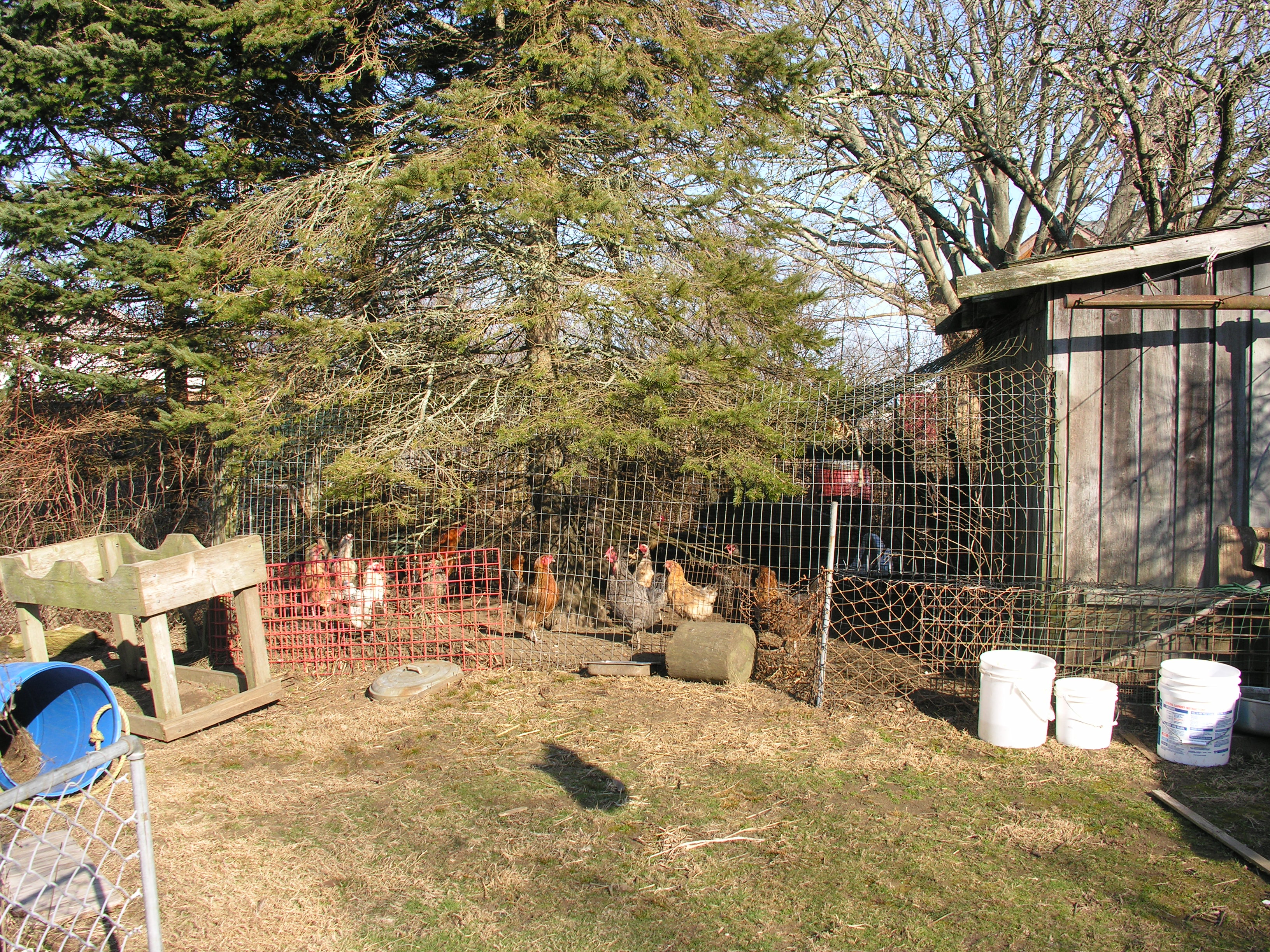
My next stop was my neighbor’s yard, to say hi to his chickens. They were enjoying the sun and scratching up a storm. I thanked them for their delicious eggs and moved on.

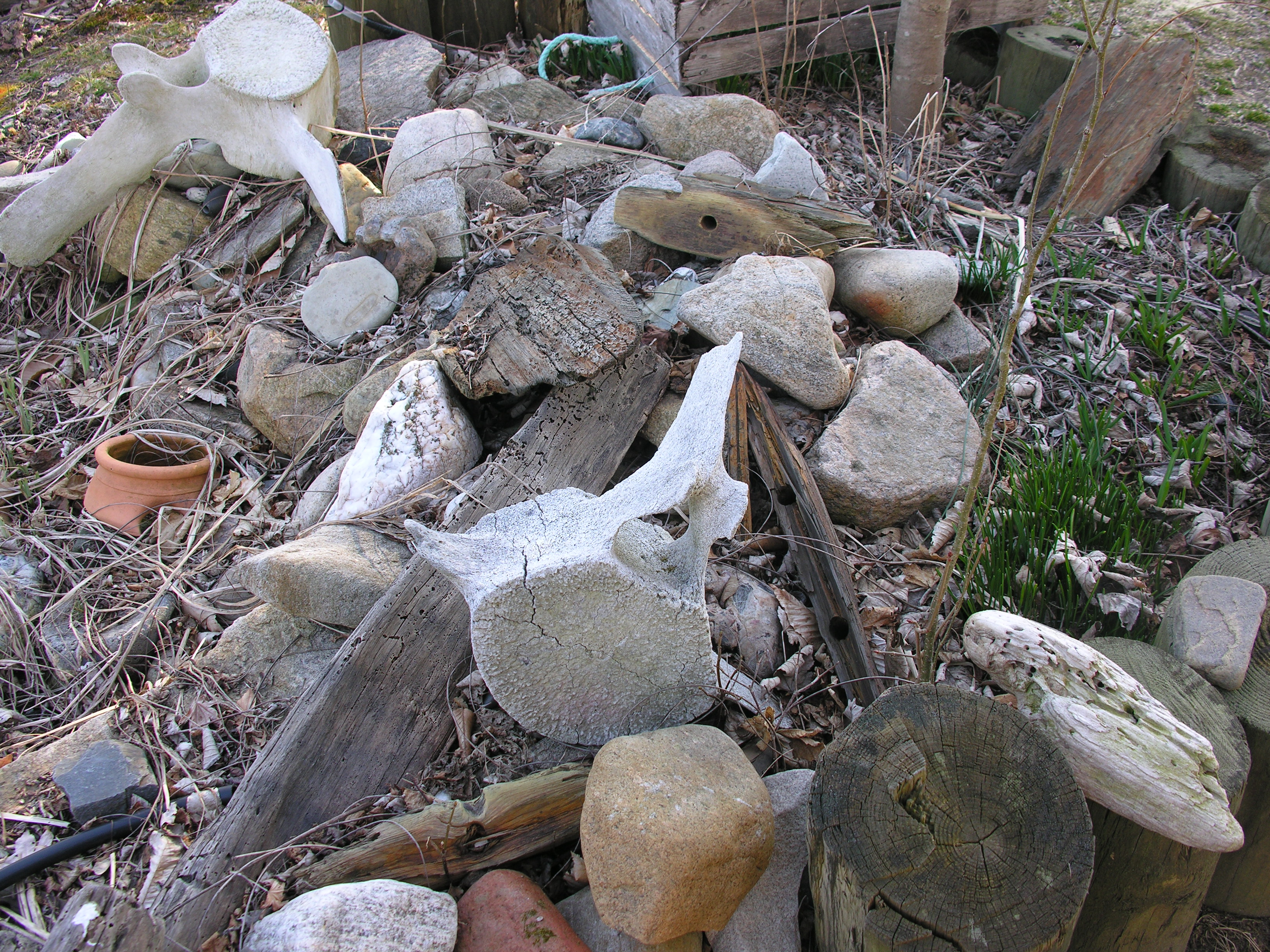
My neighbor’s a commercial fisherman, who sometimes finds cool stuff like these whale vertebrae and brings them home.

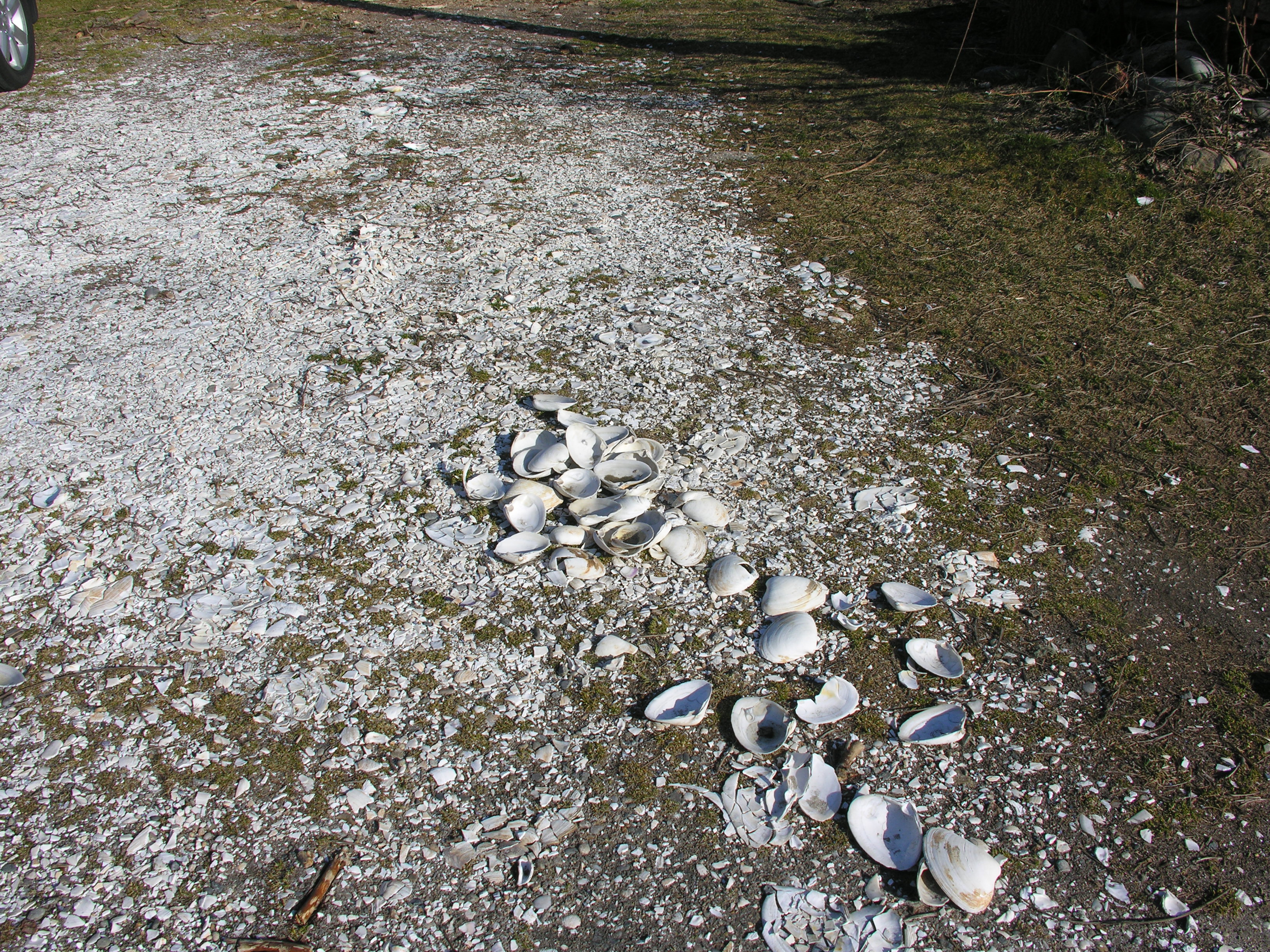
He also gathers surf clams (who doesn’t?) and just leaves the empty shells on his driveway. Once they’ve been driven over a few times, they make a nifty surface.


It’s a Yankee thing.

Posted in Uncategorized | 8 Comments

Bonsai!

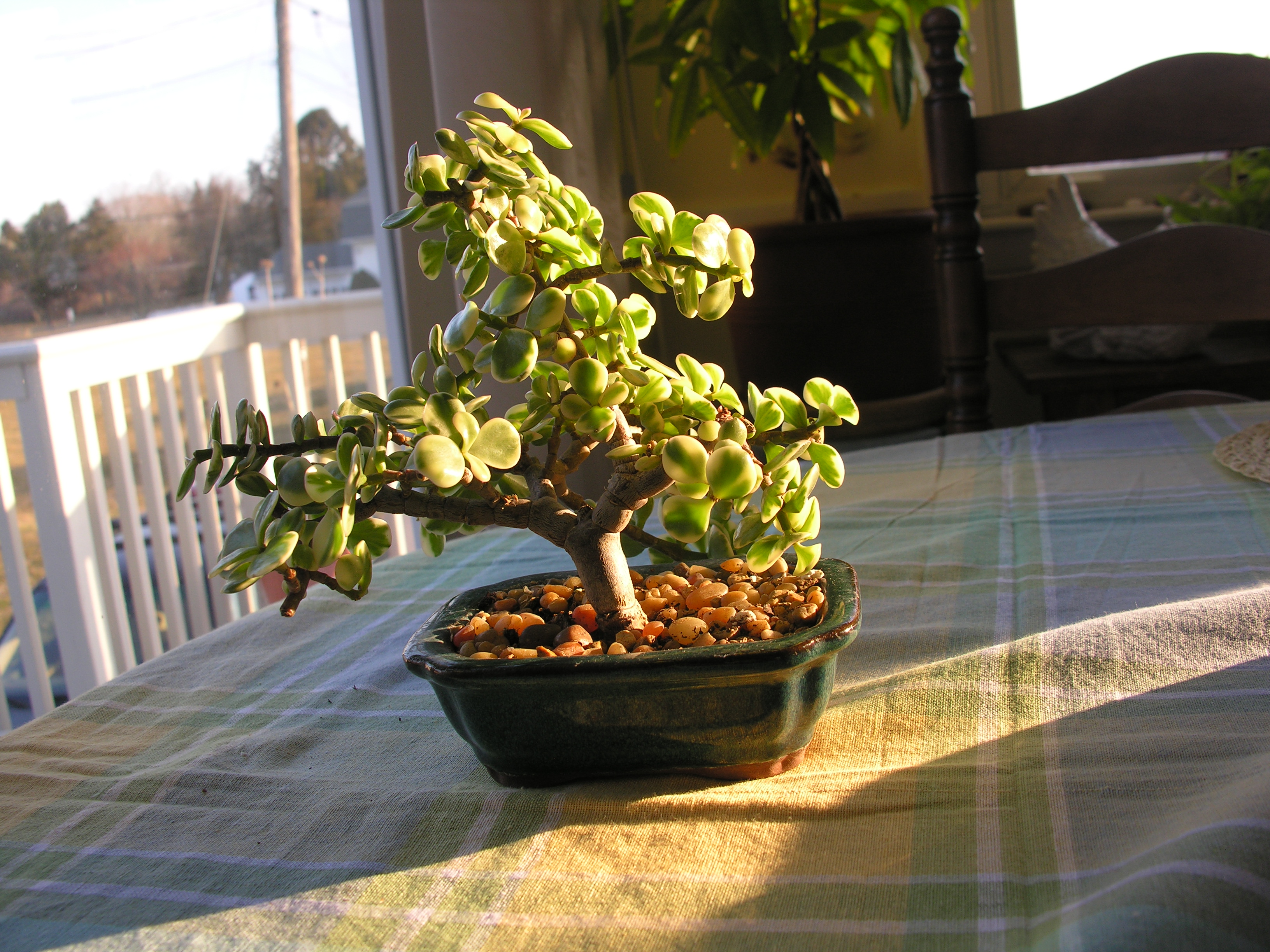
The plant in the photo above has been living contentedly on our kitchen table for nearly a year. I bought it last summer for $20 from a vendor on the grounds of the Coastal Maine Botanical Gardens.

It’s a variegated jade plant, and I fell in love with it immediately. I water it thoroughly once a week, which seems to be just about right.

Jade plants are well-suited to being grown as bonsai. I love them in their natural form, too, but this little specimen is both interesting and charming. I wish I knew how old it is. I forgot to ask the seller.

Posted in Uncategorized | Leave a comment