Roses Aren’t Pigs

Roses have a reputation for being fertilizer hogs, but that may not be valid.  I have been growing roses for about eight years.  Taking my cues from professional rosarians and the internet, I gave my roses everything that was recommended and then some.  Of course, there is a fine line between overfeeding and underfeeding and there are many environmental and cultural variables that have to be factored into the equation.  However, I have to say my roses have always thrived and bloomed from June through November so the advice was good.  Or was it?

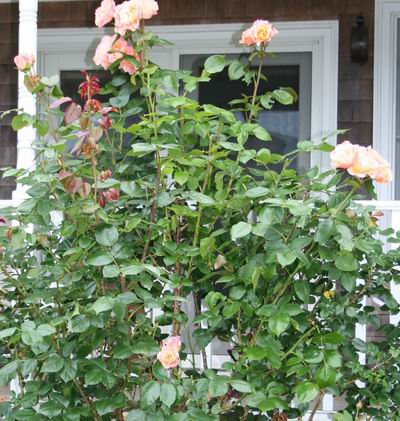
Della Balfour rose

For six years I faithfully applied fertilizer (8-12-4) in mid April and then every six weeks until mid September.  In addition to fertilizer I applied about one half cup of Epsom salt (for magnesium) to the soil around each plant.  Then in mid November I put down a shovelful of manure, a handful of superphosphate, some lime, and a small volcano of mulch around the base of every plant.  Two years ago I added a systemic pesticide product (there are several good ones on the market…I prefer Beyer) to the regimen and this was applied in the spring.

Well, last year I got lazy and only fertilized once, in mid April.  Everything else remained the same.  Much to my surprise, the plants seemed to be healthier than usual but I didn’t trust my observation so I decided to do the same thing this year.  My friends began to comment about how robust and healthy the roses looked and then I knew it wasn’t my imagination last year.  Except for the ever present and hideous black spot, all of the roses have stronger canes, larger, firmer, and greener leaves, and larger and more abundant blossoms.

Healthy rose leaves

I believe my new program has been successful because it may actually be stressful to overfeed roses…and probably other plants as well…especially when temperatures start climbing.  Of course, the money I save by buying one container of fertilizer instead of five every spring is enough to buy several new rose plants every year.  Now that’s what I call a win-win situation.

Posted in Uncategorized | 1 Comment

Watch for Asian Longhorned Beetles Now!

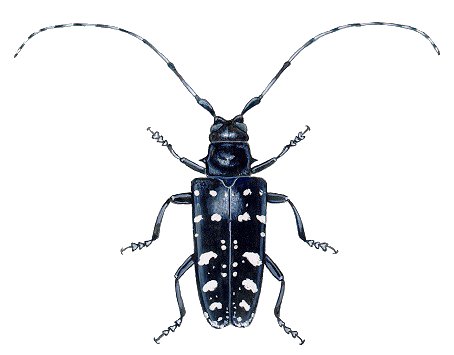
Female ALB. illustration: US Forest Service

This is my third post on the subject of Asian Longhorned Beetles (ALBs) . Considering what is at stake – our eastern forests – I should probably be writing even more often about these insects.

These unwelcome visitors arrived in the United States in wooden pallets, and proceeded to kill every tree in their paths. Worcester, Massachusetts has been particularly hard hit, losing about 25,000 trees at last count. For more background information on the ALB, go here.

The big worry is that the beetles could be living undetected somewhere and that it will be discovered when the damage has already been done. So it is very important that we keep our eyes peeled for signs of the beetles, especially now,  in July, when they emerge through dime-sized holes in tree bark after spending the winter as larvae, feeding on heartwood and killing trees.

Watch for holes like these. photo: USDA

Please be on the alert for these devastating pests, and report any insects – or their signs – that you see.

IMPORTANT UPDATE: Asian Longhorned Beetles have been discovered in Boston. A small infestation was found in six maple trees at Faulkner Hospital in Jamaica Plain, near the Arnold Arboretum. The trees have all been removed, and officials are now trying to determine the extent of the infestation. People living in the Brookline, Newton and Boston areas should be especially vigilant.

Posted in Uncategorized | Leave a comment

Weed or Herb?

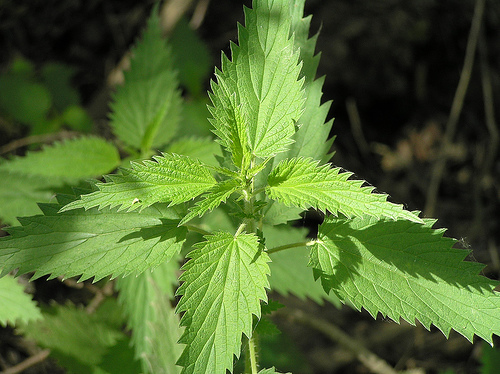
Stinging Nettle

HerbDoc has some thoughts on nettles:

Stinging nettle, Urtica dioica, is an herbaceous perennial which grows from 3 to 7 feet tall and blooms in June.  If you’ve come in contact with it, you won’t soon forget it as it is covered with many stinging hairs (tricomes) whose needle-like tops come off when lightly touched.  These tops contain several chemicals including acetylcholine, histamine and serotonin which cause pain and itching that can last for up to a week.

As painful as its bite is, I wouldn’t be without a patch in my yard.

Fresh nettle has an abundance of nitrogen and is often added to my compost pile as an activator.  In the very early spring, when the leaves are tender, it can be picked and boiled (to remove the stinging hairs) and eaten like spinach.  These young leaves are also very popular in Northern and Eastern Europe where they are made into soup.  Nettle is rich in vitamins A, D, iron, potassium, manganese and calcium.  Do not use as a pot herb after it blooms because it forms cystoliths which may cause urinary and kidney problems.  Dried leaves can be used for teas which were often part of spring tonics.

Stinging nettle was used by ancient Roman soldiers for urtification, a process of flogging oneself.  This was done to treat tired, painful legs on long marches and stimulated circulation!  It has also been used as a treatment for arthritis and rheumatism in Germany, and extracts of the plant are said to control dandruff and eczema.

Dock

If nettle grows freely in your yard, it is a sign that the area has high fertility and contains phosphorus.  Its growth also encourages beneficial insects.  Should you come in contact with nettle, look for dock, another common weed in Rhode Island.  Rubbing the leaves on the affected area will alleviate the burning and itching.  Other folk remedies include horsetail, Jewelweed, or the topical use of milk of magnesia.

Posted in Uncategorized | 5 Comments

Late Blight: It’s Back!

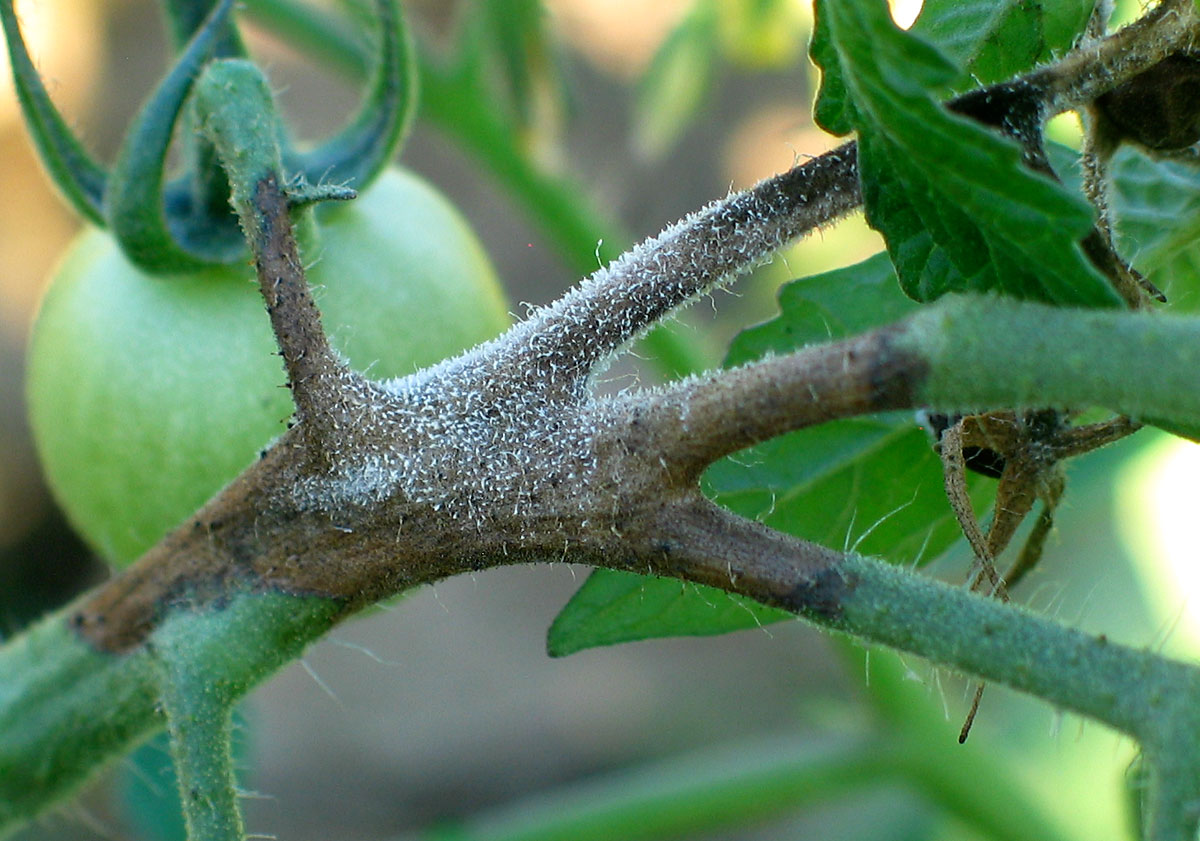
photo: Cornell University

A news release from the University of Connecticut has some sobering news for commercial growers and home vegetable gardeners: late blight has recently been confirmed in Connecticut.

Who can forget last season’s devastating outbreak, and the widespread destruction it caused.  The fungus- like organism, Phytophthora infestans, affected potatoes and tomatoes throughout the northeast, and there was a good chance it would overwinter. Now, it seems, it did.

For more information, including useful photographs of infected plants, go to the Uconn website.

Cornell University has an excellent fact sheet on managing late blight. Bear in mind, though, that “management” usually involves pulling up all infected plants, stuffing them in plastic bags, and throwing them in the trash, NOT the compost pile.

And finally, Cornell also has a good – but scary – map indicating the parts of the country where the most favorable conditions for late blight can be found. Click on the “late blight forecast model” link.

We all should be hyper vigilant with this pathogen, because its consequences are dire: total loss of affected crops. I will keep you informed of new developments, and I wish you all a blight-free growing season.

Posted in Uncategorized | 4 Comments

Many Happy Returns!

Here’s Herbdoc, with another “enlightening” post.

It was a pleasant surprise when a dozen or so lightning bugs (aka fireflies)  appeared in my darkened backyard a few weeks ago.  These little beetles bring back happy memories of childhood when my brother and I would venture into the summer night to catch several in a Mason jar.  Then we’d climb to the attic where the beetles would put on their light show for an hour or two before release.

For years now there seemed to be a decline in these and other beneficial insects.  In my opinion the rampant use of household insecticides on lawns and gardens has drastically reduced their numbers so I see it as good news that they are trying to return if only in my neighborhood.

Lightning bugs, members of the family Lampyridae, love moisture and high humidity.  Their blinking, intermittent signals are a kind of Morse code to find potential mates.  My visitors have varying patterns from one to four flashes.  After mating, females deposit their eggs in the ground where the larvae develop to adulthood.  The larvae are ravenous and eat slugs and worms.  They have been observed following snail trails to their next meal!

Adults are thought to feed on nectar.

Welcome back, little lightning bugs!  I truly enjoy your nighttime displays.
Posted in Uncategorized | 2 Comments

Squash Vine Borer Alert


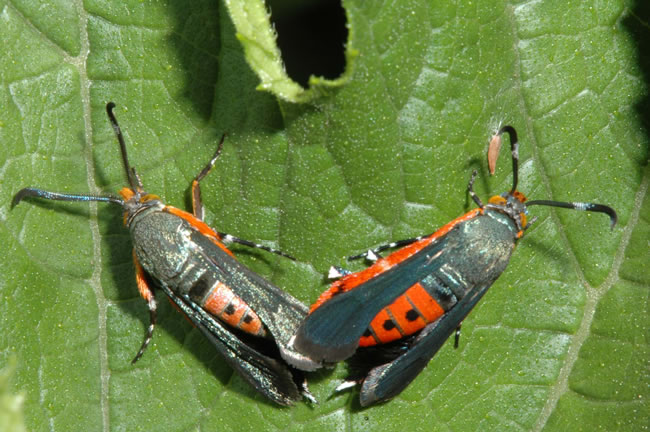
Adult squash vine borers

Here’s Elderbery with some timely vegetable gardening advice:

During the last week of June and the first week of July, give or take some days, I know it is time to be vigilant, on the lookout for squash vine borers. These insect pests attack summer and winter squash as well as pumpkins and will destroy your crop. The adult moth is small (about ½ inch long) and looks like a wasp with clear wings and an orange abdomen that has black dots on it. However, unlike other moths, they fly during the day instead of at night, which makes finding them a bit easier. If you don’t see them you may hear them because adults make a buzzing sound when flying that is easy to detect.

Squash vine borer adults emerge from the soil in late June, early July, and soon after they lay their eggs at the base of squash and pumpkin plants. In about one week the eggs hatch and the larvae bore into the stems to feed, blocking the flow of water to the rest of the plant. As a result the plants wilt and that is a sure sign of the infestation. The larvae feed for four to six weeks, then exit the stems and burrow about one to two inches into the soil to pupate. They remain there until the following summer. There is one generation per year.

Last summer I had the borer on my winter squash but fortunately the fruit was already developed enough that I was able to harvest some, although it was half normal size. However, I was determined not to have that experience again.

There are several things that are recommended to control these pests. One is to use an insecticide. Well, that is never my first choice for insect control but to be effective you have to identify the adult or kill the larvae before they bore into the stems. I don’t recommend sitting in the veggie garden for two weeks keeping watch. But what you can do is to use yellow trap pans (e.g. pan, pail, bowl) filled with water to detect the adults because they are attracted to yellow. They fly to the container and are trapped when they fall into the water. Place traps by late June, checking them at least once a day. If you find squash vine borer adults in your traps you know they are active and it is time to take further action.

Another method is to use floating row covers. This is easy enough and relatively inexpensive. Cover the plants when they start to vine (or when you start to see adult borers in the garden). The tricky thing is this: the plants should not be covered when they are flowering because it prevents the bees from pollinating the flowers.

After considering the options and trying the row covers I decided there are two simple and “green” solutions. Plant cucumbers and melons since they are not likely to be attacked by the borer. (Some folks include butternut squash on that list but mine were attacked.) Plant your zucchinis, pumpkins, and winter squash in early July so it matures after adult borers have finished laying their eggs. For me, this last choice is the best choice. You can’t change nature, but you sure can live in harmony without being destructive, even to pests.

Many Happy Returns!

It was a pleasant surprise when a dozen or so lightning bugs appeared in my darkened backyard a few weeks ago.  These little beetles bring back happy memories of childhood when my brother and I would venture into the summer night to catch several in a Mason jar.  Then we’d climb to the attic where the beetles would put on their light show for an hour or two before release.

For years now there seemed to be a decline in these and other beneficial insects.  In my opinion the rampant use of household insecticides on lawns and gardens has drastically reduced their numbers so I see it as good news that they are trying to return if only in my neighborhood.

Lightning bugs, members of the family Lampyridae, love moisture and high humidity.  Their blinking, intermittent signals are a kind of Morse code to find potential mates.  My visitors have varying patterns from one to four flashes.  After mating, females deposit their eggs in the ground where the larvae develop to adulthood.  The larvae are ravenous and eat slugs and worms.  They have been observed following snail trails to their next meal!

Adults are thought to feed on nectar.

Welcome back, little lightning bugs!  I truly enjoy your nighttime displays.
Posted in Uncategorized | 4 Comments

Dye Garden

I promised I’d keep you all posted on the Dye Garden Project, which was undertaken by the North Stonington (Connecticut) Historical Society in conjunction with the North Stonington Garden Club, so here is an update.

Old beehive

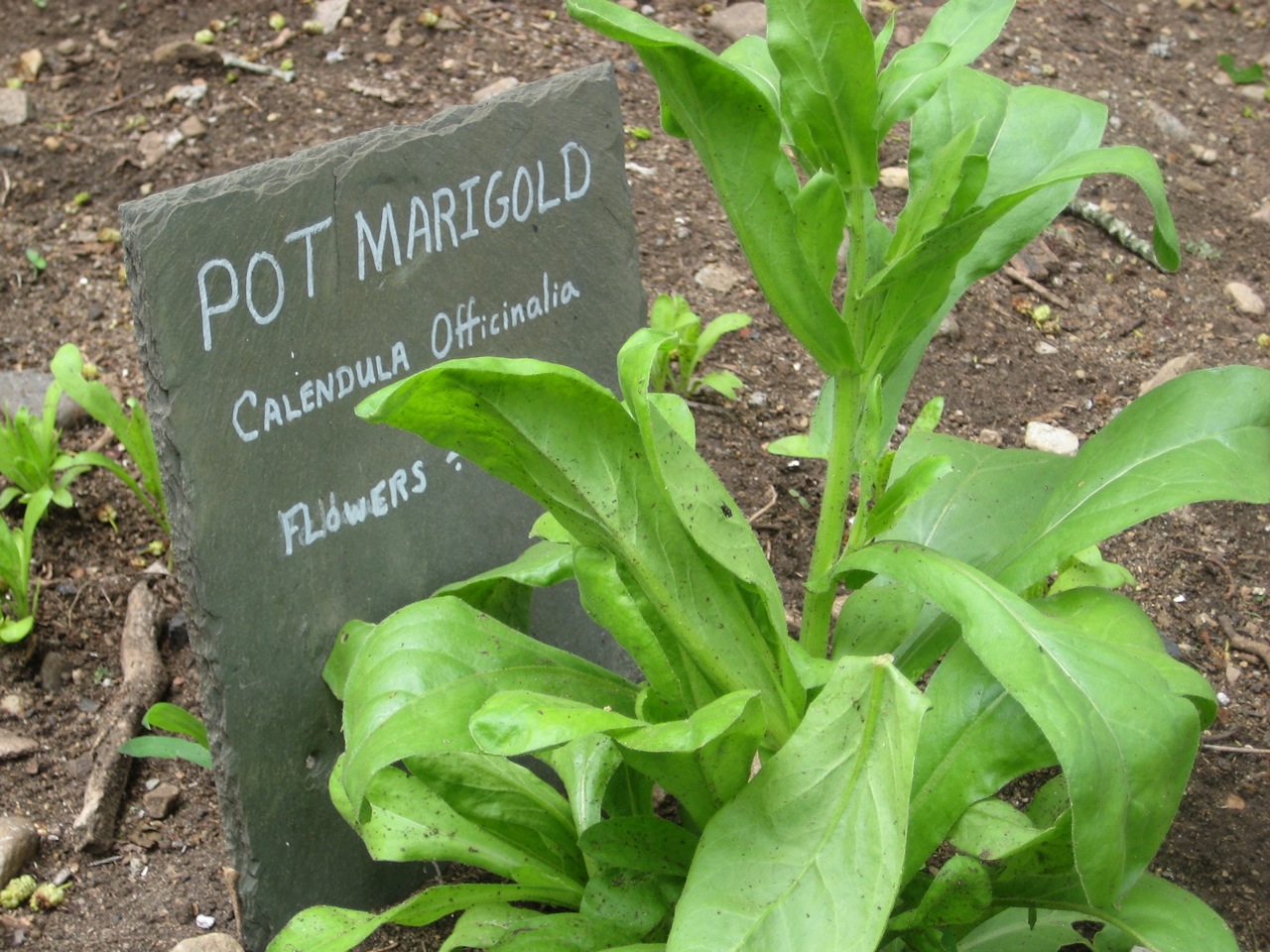
Most of the plants I started this spring have been planted, along with a bunch of other plants, like tansy and marigolds. The garden was planted and is being maintained by Laurie Pepin, former proprietess of the doomed Watermark Cafe in North Stonington. She’s also created slate signs with plant information to make the garden more educational.

Slate sign

If you want to see the garden, it will be featured on June 27th, during the Dye House Open House at the Stephen Main Homestead, 1 Wyassup Road, in North Stonington, from noon to 4:00 pm.* There will be dyeing demonstrations, including Indigo Dyeing, Spinning, and weaving of the famous North Stonington Plaid; a homestead tour; and food… clear New England clam chowder and cornbread. I’ll be stopping by, hope to see some of you there!

Dye garden

*Note, if you come in to visit the dye garden, don’t forget that the bridge through the center of town is out, and the only ways into the village are via the intersection of Route 2 and Mystic Road, or coming in from the northwest, via Ryder Road.

Posted in Uncategorized | 2 Comments

American Chestnut Plantation Update

Last August, I told you about efforts now underway to restore the majestic American Chestnut. Castanea dentate once dominated the forests in the eastern part of the country, but in the early 20th century, chestnut blight destroyed nearly all of them.

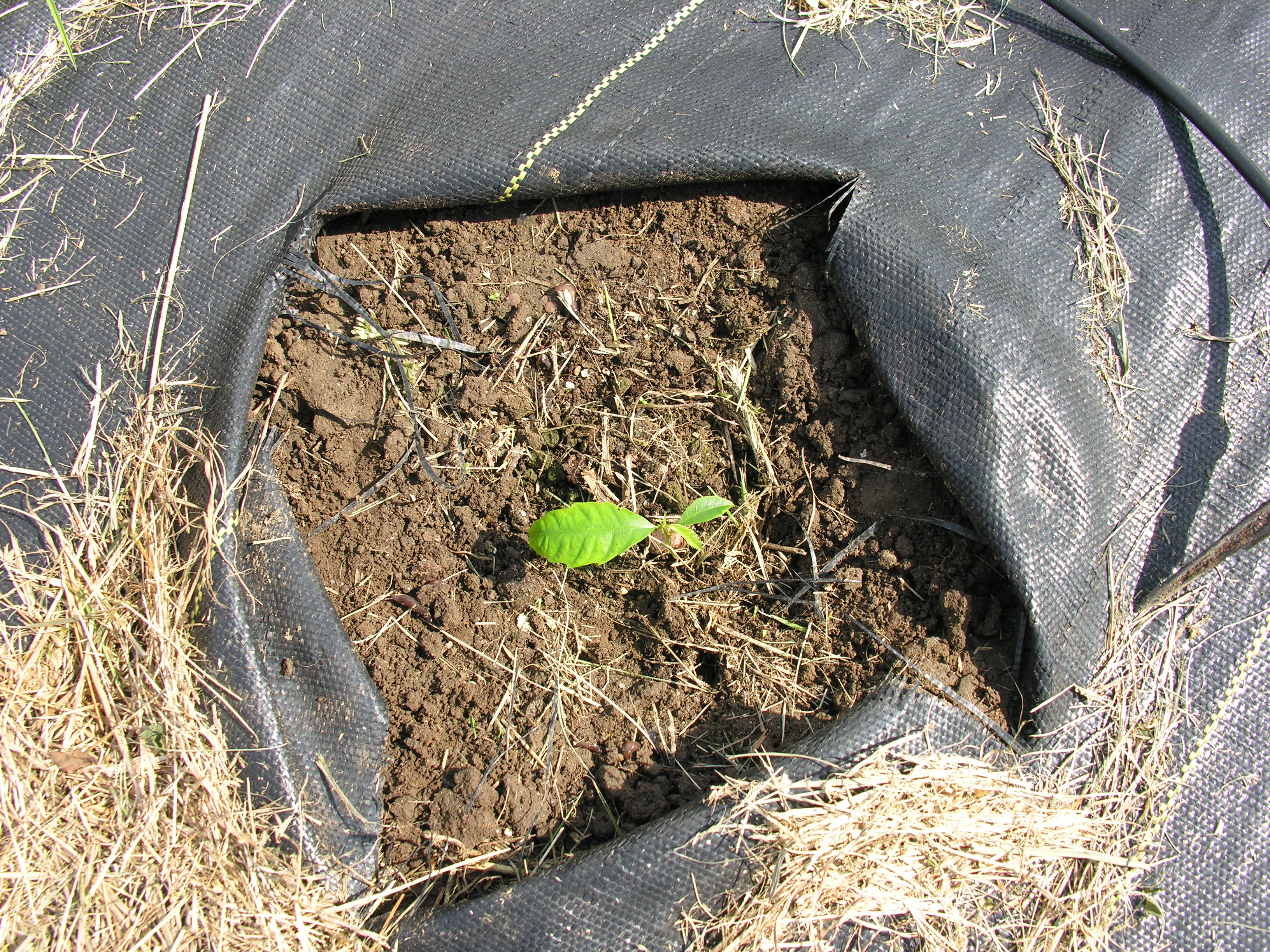
Such potential in one chestnut seedling!

After finding a few survivors, the American Chestnut Foundation began crossing those trees with blight-resistant Chinese chestnuts and growing them on special plantations, with the objective of creating a blight-resistant American tree. There are 28 such plantations in Massachusetts, and Rhode Island has four.

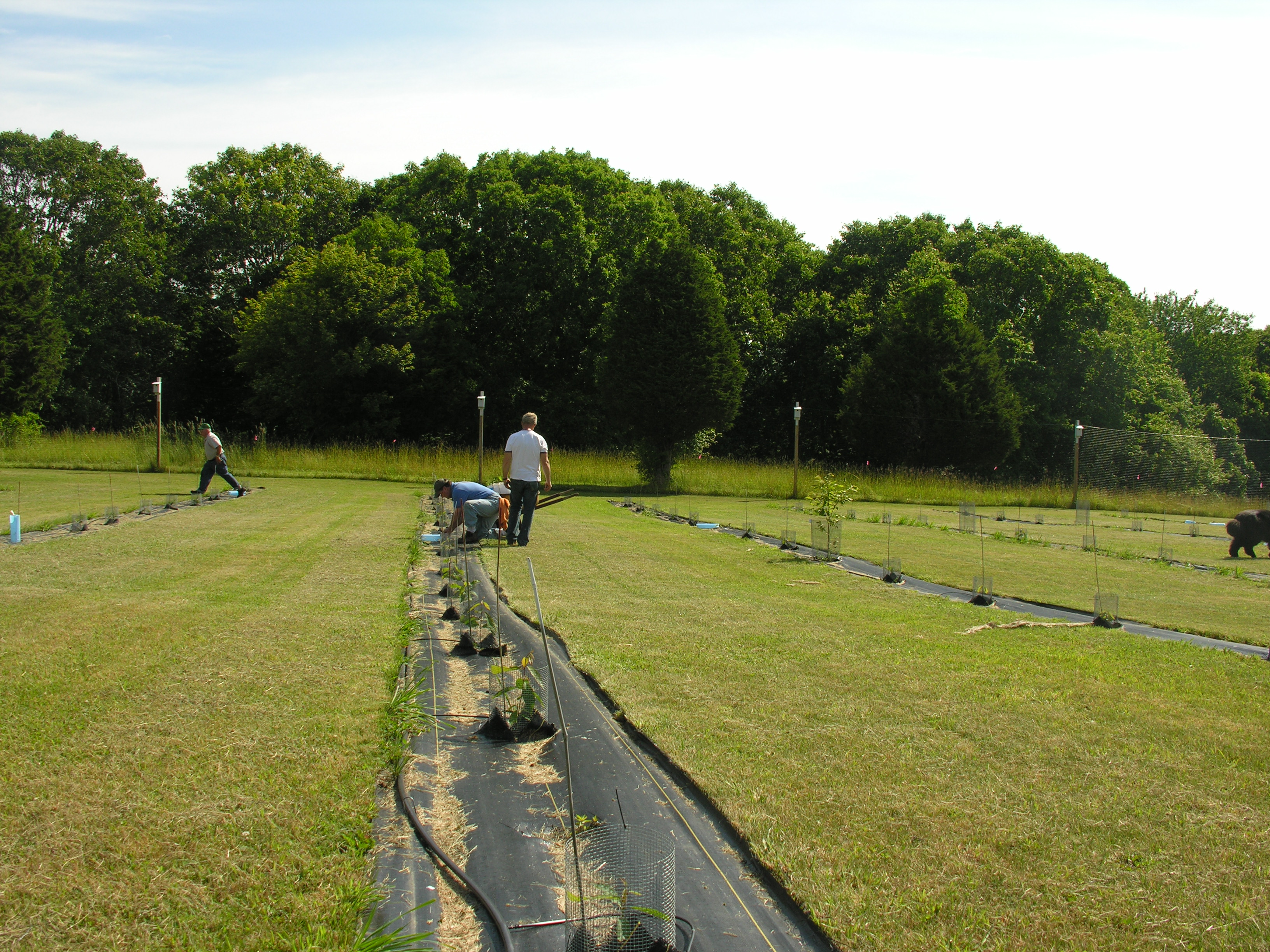
There are 260 trees at the South Kingstown plantation

I visited the South Kingstown RI plantation recently to see how the seedlings had fared through the winter. Last year, volunteers armed with pollen from Virginia pollinated wild American Chestnuts in RI, bagged the flowers to prevent contamination from other pollen, and then over-wintered the nuts in a refrigerator. These were planted in April   and when I visited, volunteers were checking to see which ones had germinated. The germination rate here is an astounding 90%, which is very good news! This is most likely due in no small part to the solar – powered drip irrigation system, which is set to water the seedlings every second day – unless the rain sensor shuts it down.

One of the very few nuts that failed to germinate

The seedlings are caged to protect them from hungry critters, and grown here for 5 years before they are inoculated with chestnut blight. This will determine which hybrids are most resistant, and those in turn will be used to breed even more resistant trees.

I look forward to a day when American Chestnuts are reintroduced to the ecosystem, and I will definitely keep you posted on this interesting and very worthwhile project.

Posted in Uncategorized | 4 Comments

They Found Me

Welcome back!

The hummingbirds have found the feeders at our new house.

A while back, I wrote a post about how I was hoping I would have them this year after we moved last September. I find hummingbirds fascinating, and consider their arrival one of the best things about summer – right up there with open windows and juicy tomatoes.

I guess for most people, hummingbirds are not a big deal. They’ll put up a feeder or two and never clean them or change the nectar so it ends up getting all moldy. That drives me nuts. Then there are those who attract hummers and proceed to spray toxic chemicals in their gardens. I hate that even more because it seems so unfair.

I try to keep my feeders fresh and clean, so the birds keep coming back. It took me several years to get them to come to my former garden, and I hope it doesn’t take as long to establish a resident population at this place.

So far, most of the birds I’ve been seeing have been females – until last evening, quite late – when a male stopped by and had a really long feed. He was at the feeder for close to ten minutes. So, they’re here at last, and my summer has officially begun.

Speaking of being “found,” Digging RI celebrated its first anniversary last week. When we began this venture we were getting just a few hits a day, and now we get several hundred – a big deal for us! So, many thanks for finding us, and for reading our musings and rants, and I promise to try my best to keep things fresh and interesting. I also want to thank my co-conspirators, Elderbery, HerbDoc and Auntie Beak for their fascinating posts and unwavering support.

Posted in Uncategorized | 6 Comments

The “Backyard Oasis”

Miniature golf course or backyard? You decide.

I did something the other night that I seldom do: I actually sat through an episode of DIY’s “Sweat Equity.” In this episode, two suckers…er, I mean, a lovely couple, wanted to turn the barren back yard of their cookie cutter McMansion into their fantasy – what the host called a “backyard oasis.” I knew I was in for some good laughs, so I settled in to watch the action.

Since the name of this show is “Sweat Equity,” the lovely couple had to haul the rocks, sink the fence posts and plant the plants. After my previous rants about landscape fabric and over-mulching, I was not surprised to see an overabundance of both. That’s probably why so many people make these mistakes: they believe everything the home improvement shows tell them. And guess who was one of the sponsors of this episode? Why a maker of landscape cloth, naturally.

As the host went on about sustainable plant selection, I was looking at pink chrysanthemums! Then there was the obligatory immense and complicated “water feature” with fountains gushing and water flowing with reckless abandon. In the pond were “mature” koi, which, the host informed us, cost $150 EACH!!!

The final cost of this project was about $22,000 – a bargain, we were assured, because the lovely couple had done so much of the grunt work themselves. And the final result? One of the ugliest backyards I have ever seen – more like a miniature golf course than a landscape. The only things missing were good taste – and a pirate.

Posted in Uncategorized | 6 Comments